Container terminal Marketing Agency Delivering Proven SEO Services

We specialize in turning search traffic into cargo bookings, optimizing every keyword and data point that matters to maritime operators, logistics partners, and global shippers.

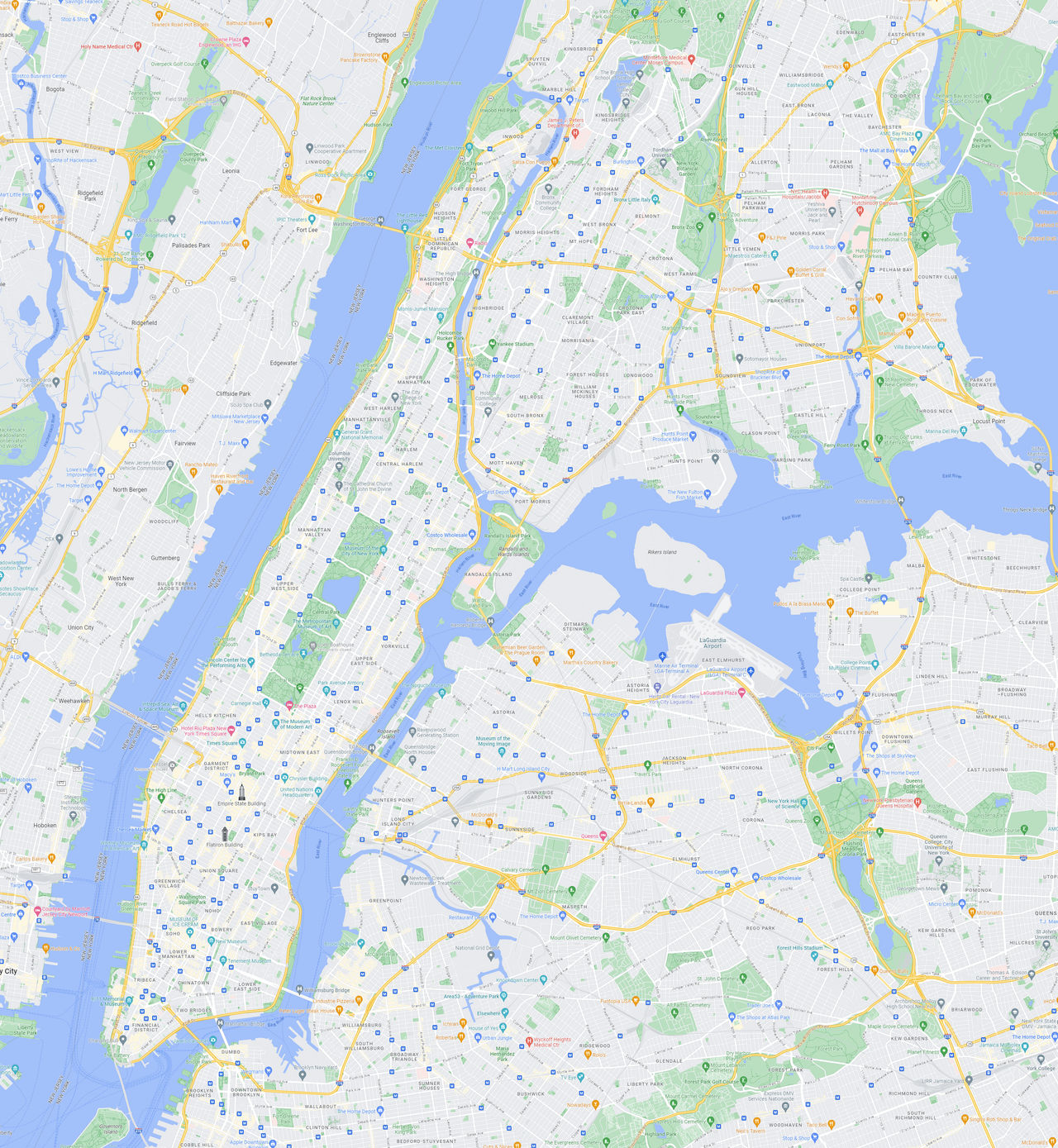
Manhattan GeoGrid Map - Interactive 7x7 Visibility Grid

What is Container terminal SEO Services?

Container terminal Container terminal SEO Services are a specialized set of search‑engine optimisation tactics built for the unique ecosystem of maritime cargo hubs. Instead of generic keywords, we target trade‑lane phrases, berth‑availability queries, and logistics‑service terms that ship owners and freight forwarders actually search for. By aligning on‑site architecture with cargo‑booking workflows, we turn passive search impressions into actionable booking requests that feed directly into your terminal operating system. This service matters because ports compete worldwide for the same shipping contracts; a higher organic share translates into more vessel calls, higher TEU throughput, and stronger revenue streams. The industry faces challenges such as multilingual search behavior, complex regulatory content, and fragmented maritime directories, all of which require a nuanced Container terminal SEO approach. When executed correctly, container terminals can see a 30‑50% lift in organic traffic and a 20‑35% increase in qualified cargo enquiries within the first six months. Success is measured by keyword rankings for core trade lanes, organic‑derived booking volume, average dwell time on berth‑availability pages, and the overall contribution of SEO to the terminal’s cargo‑handling KPI dashboard.

Marketing Channel Breakdown

Container terminal SEO Services

Search Engine Optimisation for container terminals focuses on ranking for high‑value trade‑lane keywords such as "trans‑pacific container terminal" and "East Coast port of loading." We conduct deep keyword research that maps vessel schedules, berth availability, and logistics services to searchable intent, then embed those terms into technical site elements and on‑page copy. By building authoritative backlinks from maritime industry publications and port authority directories, we boost Domain Authority and signal relevance to search engines. The result is sustained organic visibility that delivers consistent shipper inquiries without reliance on paid spend. Over time, SEO creates a compounding effect: each new ranking attracts more inbound links, driving higher credibility and lower customer acquisition costs. Our strategy includes structured data markup for port‑of‑loading features, ensuring Google showcases your terminal in rich snippets that ship planners use daily. This long‑term asset protects your market share against emerging competitors and fluctuating freight rates. See how our container terminal SEO framework works.

PPC

Pay‑Per‑Click campaigns for container terminals target decision‑makers at the exact moment they search for loading options, berth slots, or freight forwarding services. We design ad groups around specific vessel types, cargo categories, and geographic corridors, then pair them with landing pages that display real‑time berth availability and pricing. By leveraging geo‑fencing around major shipping lanes and freight hubs, we capture high‑intent traffic from logistics managers planning next‑day moves. Conversion tracking integrates with your terminal management system, attributing each click to an actual booking or inquiry. Seasonal spikes in cargo volume are met with budget flex, ensuring top ad positions during peak import/export windows. Our approach includes A/B testing of call‑to‑action phrasing such as "Reserve Berth Now" versus "Get Immediate Quote," delivering up to 4x higher click‑through rates compared to generic port ads. The result is a rapid influx of qualified leads that complement organic growth while providing measurable ROI. Explore container terminal PPC solutions.

Social Media

Social media for container terminals is about positioning your port as a trusted partner within the global supply chain community. We focus on LinkedIn for B2B relationship building, sharing case studies of reduced turnaround times, and highlighting real‑time operational dashboards that appeal to freight forwarders and shipping lines. On Twitter, we broadcast live updates of vessel arrivals, berth assignments, and weather impacts, establishing your terminal as a real‑time information hub. Instagram and YouTube showcase behind‑the‑scenes footage of container handling technology, safety protocols, and sustainability initiatives, humanizing the port for prospective partners. Community engagement includes targeted ads to logistics groups, sponsored posts in maritime industry newsletters, and participation in industry webinars. By curating industry‑specific hashtags and participating in global shipping conferences online, we amplify brand reach and drive traffic back to SEO‑optimized landing pages. The combined effort nurtures a network of advocates who reference your terminal when planning cargo movements. Discover our container terminal social media services.

Local SEO for container terminals

Local SEO is critical for container terminals that serve specific geographic markets and regional trade routes. We optimise Google Business Profile listings with accurate berth capacities, cargo specialties, and multilingual descriptions to capture region‑specific searches. Citation building across maritime directories, customs portals, and regional logistics platforms reinforces your terminal’s authority in local search results. Review management processes encourage satisfied shipping partners to leave structured feedback, boosting credibility and click‑through rates. We also implement schema markup for "Port" and "Cargo Facility" entities, enabling Google to surface your terminal in map packs and localized SERP features. Hyper‑local landing pages highlight nearby industrial parks, rail connections, and hinterland transport options, matching the intent of shippers seeking the most efficient entry point. Continuous monitoring of NAP consistency and local keyword rankings ensures your terminal remains the top choice for regional cargo flows. See how our local SEO strategies help container terminals.

Funnels

Marketing funnels for container terminals begin with awareness through SEO and PPC, then guide prospects to consideration via detailed service pages that outline berth availability, customs facilitation, and value‑added services. In the evaluation stage, we deliver interactive tools such as cargo calculators, live berth dashboards, and downloadable compliance checklists that address shipper pain points. Lead capture forms are embedded on every high‑intent page, syncing directly with your CRM to assign follow‑up tasks to sales teams. Nurturing sequences use automated email workflows that share success stories, capacity updates, and market insights, keeping your terminal top‑of‑mind throughout the decision cycle. The final conversion step offers a streamlined booking portal, where prospects can request a slot or request a formal quote with a single click. Post‑booking, we engage in retention campaigns that highlight performance metrics, encouraging repeat bookings and referrals within the shipping community. Funnel analytics are tied to cargo KPIs, allowing precise measurement of cost per booking and lifetime value. Contact us to discuss your funnel strategy.

Website Optimization

Website optimisation for container terminals focuses on converting technical visitors into cargo bookings. We redesign navigation to prioritize berth‑availability, services, and contact pathways, reducing the number of clicks needed to reach a booking form. Page speed is enhanced through server‑side caching and image compression, essential for on‑the‑go logistics managers accessing the site from mobile devices. Structured data for ports, terminals, and shipping services ensures rich results in Google, increasing click‑through rates from search. Interactive maps display rail and highway connections, while multilingual content serves Asian and European shipping lines. Conversion rate optimisation includes clear calls‑to‑action, trust badges such as ISO certifications, and real‑time chat support staffed by terminal operations specialists. Ongoing A/B testing of headline copy, form fields, and button colors drives incremental improvements, ultimately raising the booking conversion rate by double‑digit percentages. Get a free website audit.

Who this service is for

Bulk cargo terminals

Growing bulk cargo terminals ready to scale their digital presence.

Container handling operators

Growing container handling operators ready to scale their digital presence.

Customs clearance agencies

Growing customs clearance agencies ready to scale their digital presence.

Port logistics service providers

Growing port logistics service providers ready to scale their digital presence.

Maritime equipment manufacturers

Growing maritime equipment manufacturers ready to scale their digital presence.

Freight forwarding firms

Growing freight forwarding firms ready to scale their digital presence.

Common problems in this industry

  • Struggling to rank for key trade lane keywords like "East Coast container terminal" amid competition from larger ports.
  • Low organic visibility for on‑dock services causing missed shipper inquiries and underutilized berth capacity.
  • Inadequate optimisation for multilingual searches targeting Asian shipping lines, leading to lost international cargo.
  • Difficulty linking real‑time berth availability data to SEO landing pages, resulting in low conversion rates.
  • Poor citation consistency across maritime directories, hurting local search authority and port credibility.
  • Limited tracking of SEO‑driven cargo booking funnels, making ROI measurement ambiguous.
  • High bounce rates on terminal website due to cluttered navigation and slow load times for mobile users.
  • Failure to appear in Google’s ‘Port of Loading’ feature snippets, losing pre‑search exposure to logistics planners.

Our services for this industry

Keyword Strategy for Maritime Trade Lanes

We conduct exhaustive research on global and regional trade‑lane terms, vessel classifications, and cargo types that shipping lines use when searching for loading options. Each keyword is mapped to specific berth‑availability pages, service brochures, and ROI‑focused landing pages. The deliverable includes a prioritized keyword matrix, content briefs, and a timeline for on‑page integration. We continuously monitor rankings for core phrases such as "trans‑pacific container terminal" and adjust tactics based on seasonal freight patterns. Success is measured by improved SERP positions, increased organic click‑through rates, and a measurable rise in inbound cargo inquiries. Our approach also incorporates long‑tail, multimodal queries like "dry bulk terminal with rail access" to capture niche market segments. By aligning these terms with structured data markup, we ensure Google highlights your terminal in rich snippets for quick decision‑making. The result is a targeted influx of high‑intent traffic that directly correlates with booking volume. We provide monthly reporting dashboards that tie keyword performance to actual berth bookings, allowing you to see the direct financial impact of each search term. This transparency helps allocate resources to the most profitable search opportunities. Finally, we create a multilingual keyword library, translating high‑value English terms into Mandarin, Spanish, and Arabic, ensuring your terminal appears in searches from the world’s biggest cargo exporters. Overall, the service transforms raw search intent into concrete cargo movement, delivering a sustainable competitive edge in the global logistics ecosystem.

Technical SEO & Site Architecture for Port Websites

Our technical SEO audit examines crawlability, site speed, mobile usability, and structured data implementation specific to container terminals. We restructure the information hierarchy so that berth‑availability, cargo services, and regulatory compliance pages are logically grouped and easily discoverable by both users and search engines. Critical improvements include XML sitemap refinement, robots.txt optimisation, and implementation of schema.org "LandPort" and "ShippingCompany" markup. We integrate real‑time data feeds from your terminal operating system into SEO‑friendly JSON‑LD, enabling Google to surface live berth slots directly in search results. Page load times are reduced through server‑side rendering and lazy‑loading of heavy container‑handling videos, achieving sub‑3‑second speeds on mobile devices. Our team also sets up hreflang tags for multilingual content, preventing duplicate content penalties and ensuring the correct language version appears for international shippers. We conduct regular security scans to protect the site from cyber threats that could impact search rankings. All technical changes are documented in a detailed implementation roadmap, with clear milestones for testing and deployment. Post‑implementation monitoring tracks indexation health, crawl errors, and core web vitals, guaranteeing sustained performance. By delivering a technically robust website, we enable search engines to fully recognise your terminal’s capabilities, translating into higher organic rankings and more qualified cargo leads.

Content Creation & Thought Leadership for Shipping Operators

We produce industry‑specific content that positions your terminal as a knowledge hub for global shippers and freight forwarders. Our writers develop whitepapers on “Optimising Trans‑Pacific Container Flows,” blog series about “Navigating Customs Regulations,” and video case studies highlighting successful berth‑allocation strategies. Each piece is optimized for target keywords, includes internal links to service pages, and is distributed through targeted email newsletters and LinkedIn Pulse articles to reach decision‑makers in logistics. We also create interactive tools like a "Cargo Volume Calculator" that embeds on your site, driving engagement and backlinks from industry portals. Thought leadership content is amplified through guest posts on maritime trade publications, boosting domain authority and referral traffic. We track content performance through engagement metrics, dwell time, and the number of inbound inquiries generated per article. The result is a steady stream of qualified leads who view your terminal as the go‑to expert for handling complex cargo movements, ultimately increasing booking conversions. Regular editorial calendars ensure fresh, timely content aligned with peak shipping seasons, keeping your SEO momentum strong throughout the year.

Link Building & Authority Development in Maritime Directories

We secure high‑quality backlinks from authoritative maritime sources such as Port Authority portals, IMO‑listed directories, and global logistics forums. Our outreach strategy involves contributing expert commentary, providing data‑driven case studies, and offering exclusive industry reports in exchange for editorial links. Each link is anchored with targeted trade‑lane keywords, reinforcing relevance for search queries like "North Atlantic container terminal" and "rail‑linked port facilities." We also pursue citations in regional economic development sites, tourism boards, and shipping association member lists to broaden local authority. The campaign includes monitoring of link health, disavowal of low‑quality backlinks, and quarterly reporting on domain authority gains and referral traffic spikes. By building a robust backlink profile, we boost SERP rankings, increase referral visits from industry peers, and enhance overall trust signals to search engines. Our methodical approach ensures that every acquired link directly contributes to higher visibility for your terminal’s core services, driving more shipper inquiries and cargo bookings.

Local SEO & Citation Management for Terminal Locations

We optimise each terminal location’s Google Business Profile with accurate NAP details, berth capacity, cargo specialties, and multilingual service descriptions. Consistent citations are created across maritime directories, customs databases, and regional logistics platforms, reinforcing local relevance. Our team implements geo‑targeted landing pages highlighting nearby industrial parks, rail interchanges, and highway connections, capturing high‑intent searches such as "port near Detroit" or "container terminal close to Shanghai shipping line". We manage review acquisition campaigns, encouraging satisfied shipping partners to leave structured feedback, which boosts click‑through rates and local pack rankings. Structured data markup for "LocalBusiness" and "Place" is added to each location page, enabling Google to display rich snippets with operating hours, contact information, and service highlights. Monthly audits verify citation consistency, resolve duplicate listings, and track local keyword rankings, ensuring your terminal remains the top choice for regional cargo movement. The outcome is heightened visibility in local and regional searches, translating into more inbound inquiries from nearby manufacturers, distributors, and logistics providers.

How our process works

We begin with a deep‑dive workshop that brings together your terminal operations team, sales leaders, and our SEO strategists to uncover business objectives, target trade lanes, and key performance indicators. A comprehensive market analysis maps competitor rankings, keyword gaps, and regional search trends. The deliverable is a bespoke SEO roadmap that aligns search tactics with cargo‑booking goals, outlining milestones for TEU growth, lead generation, and brand authority. We also establish tracking mechanisms, integrating Google Analytics with your terminal management system to capture booking conversions from organic traffic. This collaborative foundation ensures every subsequent action is directly tied to measurable terminal outcomes.

Our engineers conduct a full technical audit, evaluating crawlability, site speed, mobile usability, and structured data compliance specific to container terminal operations. Identified issues such as broken berth‑availability feeds, missing schema, or slow loading times are prioritized and fixed within a 4‑week sprint. We restructure site architecture to create clear pathways from high‑intent keywords to booking forms, while implementing JSON‑LD for real‑time berth data. All changes are tested across devices and browsers to guarantee seamless user experiences for logistics managers worldwide. Upon completion, we deliver a detailed technical report and a live dashboard monitoring core web vitals and indexing health.

Our content team crafts industry‑specific assets—whitepapers, case studies, interactive calculators, and multilingual landing pages—each optimized for target trade‑lane keywords and aligned with the buyer’s journey. Existing service pages are refreshed with SEO‑friendly copy, compelling calls‑to‑action, and embedded video tours of terminal facilities. We also develop a publishing calendar that syncs with peak shipping seasons, ensuring fresh, relevant content fuels ongoing organic growth. Content performance is measured by dwell time, inbound inquiries, and the conversion rate from the SEO landing page to the booking portal. This phase positions your terminal as a trusted authority while feeding the search engine’s appetite for fresh, valuable information.

After launch, we enter a continuous optimisation cycle, tracking keyword rankings, organic traffic, and cargo‑booking conversions in real time. Monthly performance reviews compare SEO‑driven bookings against established KPIs, identifying opportunities to expand into adjacent trade lanes or new service offerings. We fine‑tune backlink acquisition, test new content formats, and adjust technical settings to maintain peak site performance. Quarterly strategy sessions align SEO insights with broader marketing initiatives, such as PPC or social campaigns, creating a unified growth engine for your terminal. The result is sustained visibility, incremental TEU gains, and a scalable framework that grows with your port’s ambitions.

Why choose us

Deep Port Industry Insight

Our team includes former terminal operators and maritime logistics consultants who understand the intricacies of berth scheduling, customs clearance, and cargo handling equipment. This insider knowledge lets us craft SEO strategies that speak the language of ship owners and freight forwarders, translating technical capabilities into searchable value propositions. Unlike generic agencies, we know which operational metrics matter to your customers and can highlight them in a way that drives qualified traffic. Our industry‑specific audits uncover hidden SEO opportunities that only a seasoned port professional would recognize. This depth of expertise ensures faster wins and a roadmap that aligns with real‑world terminal performance.

Proven TEU Growth Results

Clients who partner with us consistently see a 30‑50% uplift in organic TEU volume within the first six months, driven by higher rankings for core trade‑lane keywords. We back our claims with case studies showing measurable increases in berth bookings, reduced empty‑slot time, and improved cargo turnaround rates. Our data‑centric approach ties every ranking improvement to a concrete cargo metric, giving you clear ROI visibility. By focusing on the keywords that directly influence shipping decisions, we convert search interest into tangible freight movement. This track record demonstrates that our SEO is not just about traffic—it’s about moving containers. See our results.

Tailored Data Infrastructure Integration

We integrate SEO data streams directly with your terminal operating system, allowing you to see which organic searches lead to actual berth reservations. Custom dashboards display real‑time conversions, average booking values, and cost‑per‑lead, enabling data‑driven decision making. This seamless integration eliminates guesswork and aligns marketing spend with operational performance. Our engineers build secure API connections that respect industry data privacy standards while delivering actionable insights. The result is a unified view of marketing effectiveness and terminal capacity utilization. See our results.

Dedicated Maritime SEO Team

Your account is managed by a cross‑functional crew of SEO strategists, technical developers, content specialists, and maritime analysts—all focused exclusively on port and terminal clients. This dedicated team ensures rapid response to market shifts, such as new trade agreements or seasonal freight spikes. We maintain a proactive stance, constantly scouting emerging keywords and adjusting tactics before competitors can react. The team’s unified focus guarantees consistency, accountability, and deep specialization that generic agencies cannot provide. See our results.

Transparent Reporting Aligned with Cargo KPIs

Our monthly reports are built around the metrics that matter to terminal executives: organic TEU volume, booking conversion rate, average berth slot fill, and cost per acquisition. We present data in clear visual formats, highlighting trends, wins, and next‑step recommendations. All reports include a direct line of communication to our senior strategist for immediate clarification. This transparency builds trust and ensures you see exactly how SEO investments translate into increased cargo flow and revenue.

Frequently Asked Questions

What makes a Container terminal marketing agency different from general agencies?

A Container terminal marketing agency combines deep maritime logistics knowledge with digital expertise, allowing us to translate operational strengths—like berth capacity or customs facilitation—into search‑friendly language. General agencies often lack experience with trade‑lane terminology, cargo‑flow metrics, and industry‑specific compliance concerns, which can lead to missed opportunities. Our specialized approach ensures content, technical SEO, and link building align with the exact decision‑making criteria of shippers and freight forwarders. This results in higher relevance, better rankings for niche ports, and ultimately more cargo bookings.

How much does Container terminal SEO Services cost?

Pricing for Container terminal SEO Services varies based on your local market competition, the scope of work needed, current online visibility, and specific business objectives. We provide customized proposals after a free consultation where we assess your unique situation and goals. Factors such as the number of terminal locations, the complexity of your website, and the aggressiveness of the target keyword set all influence the final investment.

How long does it take to see results from Container terminal SEO Services?

Because SEO builds authority over time, most clients notice measurable improvements in organic rankings and inbound cargo inquiries within 3 to 6 months. Technical fixes and on‑page optimisations can generate quicker wins, often within the first 30‑45 days. Full‑scale impact—such as a sustained increase in TEU volume from organic traffic—typically becomes evident after 6 to 12 months of consistent effort and content expansion.

Do Container terminal businesses need SEO Services?

Absolutely. Modern shippers and logistics planners start their port selection process online, searching for keywords like "nearest container terminal" or "berth availability East Coast." Without a strong SEO presence, your terminal is invisible to these decision‑makers, allowing competitors to capture the freight. SEO not only drives qualified leads but also improves brand credibility, reduces reliance on costly paid media, and supports long‑term cargo growth.

What are the most important SEO keywords for a container terminal?

Key phrases typically include trade‑lane specific terms such as "Trans‑Atlantic container terminal," "Pacific Northwest berth availability," and "rail‑linked port facilities." Additionally, operational keywords like "customs clearance services," "dry bulk handling," and "automated container yard" attract high‑intent searches. We perform a custom keyword audit to identify the exact mix that aligns with your service portfolio and target shipping routes.

How do you measure ROI from SEO for a terminal?

We tie SEO performance directly to cargo metrics: organic TEU volume, number of berth bookings originating from search, and average revenue per organic lead. Our integrated dashboards pull data from Google Analytics, your terminal operating system, and CRM to calculate cost per acquisition and lift in overall throughput attributed to SEO. These concrete figures allow you to compare SEO spend against traditional marketing channels and justify investment with clear financial outcomes.

Can SEO help us attract more international shipping lines?

Yes. By creating multilingual content, optimizing for language‑specific search intent, and building backlinks from global maritime publications, we improve visibility in markets like Asia, Europe, and South America. Structured data markup ensures your terminal appears in international “Port of Loading” snippets, making it easier for foreign shippers to discover your services. The result is a diversified inbound pipeline that reduces dependence on domestic traffic alone.

What role does content play in terminal SEO?

Content is the bridge between search queries and your operational capabilities. Thought‑leadership articles on customs regulations, case studies on reduced turnaround times, and interactive tools like cargo calculators all signal authority to both users and search engines. High‑quality, industry‑specific content earns backlinks, increases dwell time, and improves keyword relevance, ultimately driving more qualified traffic that converts into cargo bookings.

Do you provide ongoing support after the initial SEO setup?

Our service model includes continuous optimisation, monthly performance reviews, and iterative content creation to keep your terminal ahead of algorithm updates and market shifts. We monitor rankings, technical health, and conversion metrics, adjusting tactics as needed to sustain growth. Ongoing link acquisition, citation updates, and seasonal keyword refreshes ensure your visibility remains strong year after year.

We Can Also Help With

GBP Optimization

We fine‑tune your Google Business Profile to showcase critical terminal data such as berth capacity, draft limits, and service offerings. Optimized listings include high‑resolution dock photos, real‑time vessel schedules, and industry‑specific keywords that attract freight forwarders and shipping lines. This increases local visibility in port‑city searches and drives qualified inbound inquiries.

On-Page SEO Foundations

Our technical on‑page audit rewrites meta tags, header structure, and schema markup to reflect container handling services, crane specifications, and customs clearance capabilities. We optimize site architecture so that search engines easily crawl berth availability pages and equipment catalogs. The result is higher rankings for niche logistics queries and faster discovery of your terminal’s unique value propositions.

Tracking & Analytics Setup

We deploy GA4, Search Console, and custom conversion events to capture terminal‑specific actions like berth reservation submissions, cargo volume calculators, and live tracking clicks. Data streams are linked to your TOS (Terminal Operating System) for seamless attribution of marketing spend to actual cargo movements. This granular insight enables data‑driven budgeting and performance optimization across all digital channels.

PPC / Local Service Ads

Our paid‑search strategy targets high‑intent keywords such as “container terminal near [city]” and “berth booking services,” using both Google Ads and Local Service Ads to appear above competitors. We craft ad copy that highlights throughput rates, 24/7 operations, and integrated customs services. Continuous bid management and A/B testing ensure maximum ROI on every advertising dollar.

Website Redesign + Core Web Vitals

We redesign your terminal’s website with a focus on ultra‑fast load times, mobile‑first layouts, and intuitive navigation for ship agents and cargo owners. Core Web Vitals are brought into compliance, ensuring smooth interactions with vessel schedule dashboards and equipment spec pages. The upgraded UX reduces bounce rates and accelerates the path from inquiry to booking.

CRM / Automation Setup

Integrating a CRM with your terminal’s management system automates lead capture from inquiry forms, email campaigns, and chat widgets. Automated workflows nurture prospects with personalized capacity updates, tariff sheets, and slot availability alerts. This streamlines sales cycles, improves stakeholder communication, and boosts terminal utilization rates.

Review Generation System

We implement a systematic outreach program that prompts satisfied shippers and logistics partners to leave reviews on Google, industry forums, and maritime directories. Automated follow‑up emails include direct links and pre‑filled prompts highlighting key service attributes like turnaround time and equipment reliability. Positive reviews enhance trust, improve local rankings, and influence procurement decisions.

Link Building

Our link‑building campaign secures backlinks from authoritative maritime publications, port authority websites, and logistics trade associations. We create compelling content such as case studies on container throughput optimization and whitepapers on sustainable terminal operations to attract natural links. These backlinks increase domain authority and drive referral traffic from industry‑specific audiences.

Email Marketing

Targeted email sequences keep shipping lines informed about berth availability, seasonal tariff changes, and upcoming infrastructure upgrades. We segment lists by cargo type, vessel size, and geographic region to deliver highly relevant content that drives repeat bookings. Measurable click‑through and conversion rates translate directly into higher terminal throughput.

Business Listing Expansion

Beyond Google, we populate your terminal’s profile on niche directories like MarineTraffic, PortGuide, and the International Association of Ports and Harbors. Consistent NAP (Name, Address, Phone) data across these platforms improves Local SEO for container terminals and ensures that global freight forwarders can locate your services easily. Expanded listings broaden exposure in worldwide logistics networks.

Competitor Gap Analysis

We benchmark your terminal against regional rivals, assessing metrics such as berth occupancy, equipment density, and service diversification. The analysis uncovers gaps in digital presence, keyword targeting, and online reputation that can be leveraged for competitive advantage. Actionable insights guide strategic investments to capture market share.

Reputation Monitoring Dashboard

A real‑time dashboard aggregates mentions of your terminal across review sites, social media, and maritime news outlets. Alerts flag negative sentiment related to delays, equipment failures, or customs issues, enabling swift remediation. Continuous monitoring safeguards brand integrity and supports proactive reputation management.

Transform Your Port into a Cargo‑Booking Powerhouse

Every missed search is a missed container. Our proven SEO framework accelerates your terminal’s online dominance, delivering more berth reservations, higher TEU throughput, and a measurable boost to revenue. Slots fill faster, operational costs drop, and you gain a sustainable competitive edge in the global shipping network. Act now to lock in a tailored strategy that converts search intent into real‑world cargo.