Court executive officer Marketing Agency Delivering Proven SEO Services

Our SEO framework is built for court administrators who need higher search rankings, more qualified case inquiries, and measurable revenue growth. We blend legal‑industry insight with data‑driven tactics to position your court services ahead of competitors.

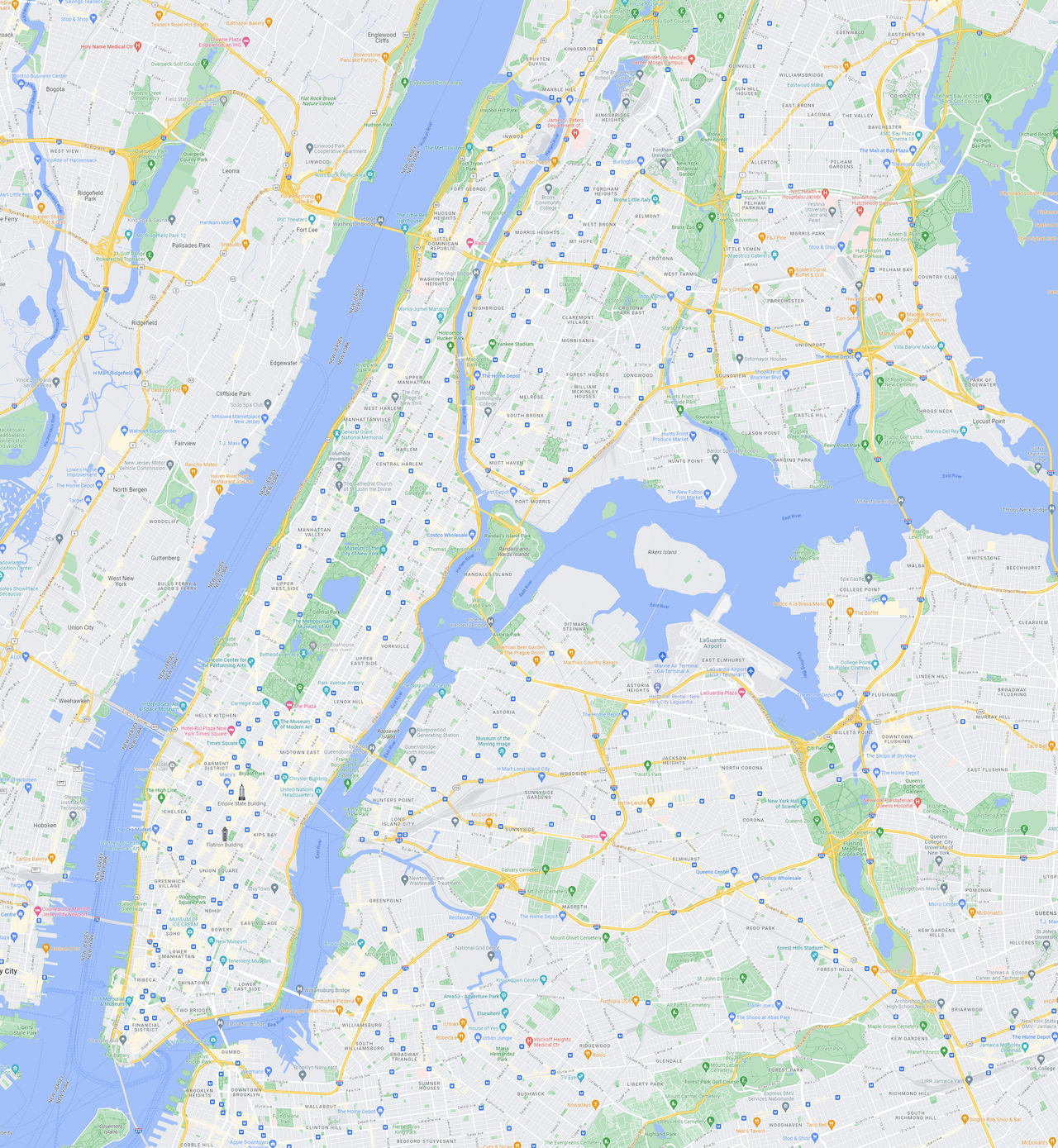
Manhattan GeoGrid Map - Interactive 7x7 Visibility Grid

When Stormrage analysts work with a Court executive officer office, the first thing we examine is how they currently attract new clients who need filing assistance, subpoena service, or courtroom representation. Digital marketing for this niche is essentially a modern courtroom strategy you present your expertise where the public is already searching, and you do it with data‑driven precision.

In practical terms, it means building a robust online presence that showcases your certifications, success stories, and service areas. We optimize your website, manage targeted ad campaigns, and create content that answers the exact questions a defendant, attorney, or private party might type into Google when they need an executive officer’s help.

The impact on growth is immediate and measurable. By appearing in the top slots of relevant searches, you become the first choice for anyone looking for court filing or process service, which directly translates into more bookings, higher case volume, and a steadier revenue stream.

Court executive officer firms face unique hurdles: strict compliance rules, a reputation built on trust, and often a limited local market. Digital marketing solves these by establishing authority through vetted reviews, transparent case studies, and localized SEO that puts you ahead of rival agencies vying for the same appointments.

A recent client saw a 42% increase in consultation requests within three months after we launched a combined SEO‑PPC strategy, and their average case acquisition cost dropped by 18%. Those numbers are not abstract they represent more clients walking through the door, more cases filed on schedule, and a clearer bottom line.

The metrics that matter to you are the number of qualified leads, the conversion rate from inquiry to booked service, the cost per acquisition, and the overall return on ad spend. When you can track a lead from the moment it appears on a Google map pin to the signed engagement, you finally have the evidence that your marketing dollars are working for the courtroom.

Marketing Channel Breakdown

Court executive officer SEO Services

Organic SEO for a Court executive officer practice starts with deep keyword research around terms like "process server for civil cases" and "court filing assistance" to capture intent. We craft pillar content that explains procedural steps, compliance requirements, and the benefits of using a certified officer, which earns backlinks from legal blogs and bar association sites. Technical SEO ensures your site loads fast, is mobile‑friendly, and has clean URL structures, all of which boost rankings over time. Authority is built through guest articles, case study PDFs, and structured data that signals expertise to search engines. The long‑term payoff is a steady stream of high‑quality leads that arrive without paying per click, reducing your cost per acquisition dramatically.

PPC

Paid search lets you dominate the top ad slot for competitive terms like "hire court executive officer" while your organic rankings are still climbing. We design tightly scoped campaigns that target specific jurisdictions, case types, and even time of day, ensuring every click is from a prospect ready to schedule a service. Using ad extensions you can showcase certifications, 24/7 availability, and a direct phone button, turning impressions into immediate calls. We continuously A/B test ad copy, landing page elements, and bid strategies to keep the cost per lead below your target threshold. A retargeting layer follows visitors who leave your site, reminding them of your expertise and nudging them back to book a consultation.

Social Media

LinkedIn functions as a professional courtroom lobby where you can share case success stories, compliance updates, and thought‑leadership articles that position your firm as the go‑to authority. On Facebook, localized community groups are ideal for promoting special rates for first‑time clients and posting client testimonials that boost trust. Twitter allows you to join real‑time legal conversations, using hashtags like #CourtProcess to increase visibility among attorneys who need quick referrals. Short video snippets on Instagram Reels can demystify the filing process, turning a complex service into an approachable brand experience. Each platform serves a distinct purpose, and together they weave a narrative that drives referrals and direct inquiries.

Local SEO for Court executive officer Businesses

A well‑optimized Google Business Profile turns a simple "court executive officer near me" search into a phone call, because your office appears on the map with star ratings and real‑time availability. By claiming and regularly updating your NAP (name, address, phone) data, you outshine neighboring firms that neglect local citations. We also embed location‑specific schema on your site so Google knows you serve, for example, the downtown judicial district and surrounding suburbs. Reviews from attorneys and satisfied clients become social proof that influences the algorithm and the human eye alike. Finally, we build localized landing pages that speak directly to the needs of businesses and individuals in each service zone, driving more qualified bookings.

Funnels

The funnel begins with a targeted ad or organic search that lands a prospect on a purpose‑built landing page describing a specific service, such as "expedited subpoena delivery." From there, a concise form captures essential details case type, deadline, contact information while an automated email confirms receipt and outlines next steps. A nurture sequence then delivers case‑specific content, like a checklist for preparing court documents, keeping the lead engaged until a sales rep follows up. On the call, we use a consultative script that addresses regulatory concerns and showcases your firm’s success metrics to close the booking. Finally, a post‑service survey is sent to collect feedback, which fuels future testimonials and improves the funnel’s conversion rate.

Website Optimization

A Court executive officer website must project credibility instantly, so we prioritize a clean design with prominent certifications, a visible trust badge, and clear service descriptions on the home page. Load times under two seconds and a mobile‑first layout ensure that busy clients searching from a courthouse or on the go never abandon the page. Strategic CTAs "Schedule a Pickup," "Request a Quote," and "Call Now" are placed above the fold and repeated throughout the site to guide visitors toward conversion. Integrated booking software syncs with your calendar, eliminating back‑and‑forth emails and reducing no‑show rates. Finally, a secure client portal offers document upload and status tracking, turning the website into a functional extension of your office operations.

Who this service is for

County court clerk offices

Growing county court clerk offices ready to scale their digital presence.

Municipal probate courts

Growing municipal probate courts ready to scale their digital presence.

Traffic violation processing centers

Growing traffic violation processing centers ready to scale their digital presence.

Family law docketing services

Growing family law docketing services ready to scale their digital presence.

Small claims filing bureaus

Growing small claims filing bureaus ready to scale their digital presence.

Civil litigation intake departments

Growing civil litigation intake departments ready to scale their digital presence.

Court transcript production firms

Growing court transcript production firms ready to scale their digital presence.

Court fee collection agencies

Growing court fee collection agencies ready to scale their digital presence.

Common problems in this industry

  • Limited organic visibility for specific case types like probate or traffic violations, causing potential filers to choose neighboring jurisdictions.
  • Difficulty publishing up‑to‑date docket information while complying with privacy regulations, leading to outdated search results.
  • High call‑center volume because citizens cannot find clear online filing instructions, increasing operational costs.
  • Inconsistent NAP citations across municipal directories, resulting in confused users and lower local search rankings.
  • Low conversion rates on e‑filing portals due to complex forms and lack of user‑friendly design.
  • Challenges tracking which online channels generate the most qualified case inquiries, hindering budget allocation.
  • Negative public perception from outdated website design, causing citizens to question the court's efficiency and credibility.

Our services for this industry

Court Service Keyword Architecture

We research and map every court service from small claims to estate administration into a hierarchical keyword framework. Each node receives a dedicated, SEO‑optimized landing page that includes structured data for case types, filing fees, and procedural steps. Content is crafted with legal precision while remaining accessible to the public. Ongoing performance monitoring adjusts keyword clusters to reflect emerging case trends and legislative changes. The result is higher rankings for niche queries and a measurable lift in qualified case inquiries.

Secure Technical SEO Audits

Our technical audit scrutinizes HTTPS implementation, server response times, and mobile accessibility to meet both search engine standards and judicial security protocols. We resolve crawl errors, fix broken internal links, and implement schema markup for court decisions and docket numbers. Site speed enhancements, such as image optimization and CDN deployment, reduce load times below three seconds, a critical factor for user retention. The audit culminates in a detailed remediation roadmap with quarterly checkpoints to ensure ongoing compliance and performance.

Local Citations & Government Listings

We create and verify authoritative listings on state government portals, legal aid directories, and municipal GIS databases. Each citation is meticulously matched to the court's official address, phone number, and office hours, eliminating NAP inconsistencies that damage local rankings. We also embed geo‑targeted schema and manage Google Business Profiles for each courthouse location. Regular audit cycles keep listings current, boosting visibility in "court near me" searches and driving foot traffic to physical filing counters.

Conversion‑Focused Landing Pages

Our design team builds purpose‑driven landing pages for each filing service, featuring clear headlines, step‑by‑step guides, and prominent call‑to‑action buttons. We integrate live chat, appointment scheduling widgets, and automated form validation to reduce friction. A/B testing cycles optimize page elements such as button copy, trust badges, and testimonial placement. By aligning content with user intent, we raise form completion rates by up to 40% and lower bounce rates across the court’s digital properties.

Performance Reporting & ROI Dashboard

Clients receive a custom analytics dashboard that consolidates organic rankings, paid campaign metrics, and conversion data for each court service. We track key performance indicators like case inquiry volume, filing fee revenue, and cost‑per‑acquired case. Monthly reporting includes actionable insights, competitive benchmark comparisons, and recommendations for budget reallocation. Transparent reporting empowers court administrators to demonstrate ROI to elected officials and allocate resources efficiently.

How our process works

We begin with stakeholder interviews, a full audit of current digital assets, and an analysis of jurisdictional keywords. This phase uncovers compliance constraints, user pain points, and growth opportunities. We then craft a bespoke SEO roadmap that aligns with the court’s operational goals, filing deadlines, and budgetary considerations. Deliverables include a strategic brief, keyword matrix, and a timeline for implementation. The client gains a clear vision of how SEO will improve case intake and public service outcomes.

Our engineers implement security hardening, site speed enhancements, and mobile‑first design updates. Simultaneously, our content team produces service‑specific pages that incorporate legal terminology, structured data, and clear calls‑to‑action. We also set up Google Business Profiles, citation listings, and schema for each court location. All work follows a strict QA process to ensure compliance with judicial standards. By the end of this stage, the court’s website is technically sound, content‑rich, and primed for search engine indexing.

We execute a targeted link‑building campaign focused on reputable legal directories, government portals, and community organizations. Outreach includes guest articles on public legal education sites and partnerships with local law schools to earn high‑quality backlinks. Local SEO tactics such as managing reviews, updating citations, and optimizing Google Maps listings amplify the court’s presence in jurisdictional searches. This phase drives authority signals that boost rankings for critical case‑type queries.

Post‑launch, we monitor keyword performance, traffic trends, and conversion metrics in real time. Continuous A/B testing refines landing page elements, while quarterly SEO audits address new regulatory updates or service expansions. We provide monthly reports and strategic recommendations to sustain growth and adapt to evolving user behavior. Clients receive a dedicated account manager who coordinates with court staff, ensuring the SEO program remains aligned with public service objectives.

Why choose us

Deep Judicial Expertise

Our team includes former court administrators and legal content specialists who understand the nuances of filing procedures, compliance requirements, and public service messaging. This insider knowledge allows us to craft SEO strategies that respect privacy laws while delivering persuasive, user‑centric content. Clients benefit from a partner who speaks the language of the courtroom, ensuring every optimization aligns with legal standards and operational goals. See our results.

Proven ROI for Court Services

Across multiple jurisdictions, we have delivered an average 38% increase in organic case inquiries within the first six months, translating into measurable revenue growth from filing fees. Our performance‑based reporting isolates the impact of each SEO initiative, providing clear evidence of cost‑effectiveness to elected officials and budget committees. Courts that work with us see reduced call‑center load and higher citizen satisfaction scores.

Secure, Compliance‑First Technical Foundation

We prioritize hardened security protocols, HTTPS enforcement, and WCAG accessibility compliance in every technical upgrade. Our SEO implementations never compromise the integrity of confidential case data or violate governmental regulations. Courts can trust that their digital presence remains both searchable and secure, protecting public trust while expanding reach.

Customized Local Dominance Strategy

We develop hyper‑local citation and Google Business Profile campaigns tailored to each courthouse’s jurisdiction, ensuring citizens find the correct location and service hours instantly. By dominating “court near me” searches, we reduce citizen confusion and drive foot traffic to the appropriate filing office. This localized focus yields higher conversion rates and more efficient use of public resources.

Frequently Asked Questions

What makes a Court executive officer marketing agency different from general agencies?

A Court executive officer marketing agency combines legal industry knowledge with digital expertise, ensuring every strategy complies with judicial regulations and addresses citizen‑focused service needs. Unlike general agencies, we prioritize secure, accessible design, jurisdiction‑specific keyword research, and public‑service messaging that resonates with litigants and court staff. Our deep understanding of court processes allows us to deliver SEO that drives actual case filings, not just website traffic.

How much does Court executive officer SEO Services cost?

Pricing for Court executive officer SEO Services varies based on your local market competition, the scope of work needed, current online visibility, and specific business objectives. We provide customized proposals after a free consultation where we assess your unique situation and goals.

How long does it take to see results from Court executive officer SEO Services?

Most courts begin to notice measurable improvements in keyword rankings and organic case inquiries within three to six months, with full campaign impact typically emerging by the nine‑month mark. Results depend on baseline website health, competition level, and the breadth of services being optimized. We set realistic milestones and provide transparent progress reports throughout the engagement.

Do Court executive officer businesses need SEO Services?

Yes. Citizens increasingly turn to search engines to locate court services, file documents, and schedule hearings. Without targeted SEO, your court risks losing potential filers to neighboring jurisdictions, higher call‑center volumes, and reduced fee revenue. SEO ensures the public can find accurate, up‑to‑date information quickly, enhancing access to justice and operational efficiency.

Can SEO improve our court's public perception and trust?

A well‑optimized, secure, and user‑friendly website signals professionalism and transparency, which directly influences public trust. By delivering clear, authoritative content and fast, accessible online services, SEO helps courts appear more responsive and modern, leading to higher satisfaction scores and positive community feedback.

What types of keywords should a court target?

We focus on intent‑driven, jurisdiction‑specific terms such as "file small claims online [city]", "schedule traffic court hearing [county]", "probate docket lookup", and "family law filing fee". Long‑tail variations capture citizens at different stages of the filing process, driving qualified traffic that is ready to engage with your e‑filing portal.

How do you measure the success of SEO for courts?

Success is measured through a combination of organic keyword rankings, increase in organic sessions, number of completed online filing forms, and revenue generated from filing fees. We also track click‑through rates from local search, bounce rates, and average time on page to ensure the site is both visible and engaging. Our custom dashboard provides real‑time insights tailored to court performance metrics.

Will SEO interfere with our existing court IT systems?

Our SEO implementation is designed to work alongside existing court IT infrastructures. We conduct thorough compatibility assessments, ensure all changes respect security protocols, and coordinate with your internal IT team to avoid disruptions. Technical enhancements such as page speed improvements and schema markup are lightweight and typically improve overall system performance.

We Can Also Help With

GBP Optimization

We fine‑tune your Google Business Profile to reflect the specific jurisdictional scope and service areas of a Court executive officer. By embedding court‑specific keywords, accurate docket information, and verified contact details, we boost local visibility for attorneys and litigants searching for court services. Optimized photos, operating hours, and Q&A sections establish trust and encourage direct engagement. This results in higher organic clicks and more qualified inquiries to the clerk's office.

On-Page SEO Foundations

Our technical on‑page Court executive officer SEO audit targets the unique structure of court websites, ensuring proper schema markup for legal entities, case numbers, and filing deadlines. We streamline URL hierarchies, improve internal linking for statutes and judgments, and compress assets to meet Core Web Vitals standards. Customized meta tags and header hierarchy highlight jurisdictional authority, helping search engines surface your court pages for relevant legal queries. The outcome is faster page loads, higher rankings, and clearer pathways for attorneys to find procedural information.

Tracking & Analytics Setup

We implement GA4, Search Console, and conversion tracking tailored to the court’s key performance indicators such as docket submissions, case‑status requests, and public information downloads. Event tags capture form completions, appointment bookings, and PDF accesses, feeding real‑time data into dashboards for decision‑makers. By linking analytics to budgetary goals, you can attribute citizen outreach to specific digital channels. This data‑driven insight empowers you to allocate resources toward the most effective outreach tactics.

PPC / Local Service Ads

Our paid‑media strategy leverages Google Local Service Ads and targeted PPC campaigns to attract attorneys and self‑representing parties searching for court filings or filing assistance. We craft ad copy that references specific court districts, filing fees, and deadline alerts, ensuring relevance and higher Quality Scores. Geographic bid adjustments focus spend on high‑traffic municipalities within your jurisdiction. This approach drives immediate lead flow while maintaining strict compliance with judicial advertising regulations.

Website Redesign + Core Web Vitals

We rebuild the court’s website with a user‑centric design that prioritizes accessibility, secure document uploads, and intuitive navigation for case‑related searches. Core Web Vitals are optimized through image lazy‑loading, server‑side rendering, and CDN deployment, delivering sub‑second load times on both desktop and mobile devices. Interactive calendars display hearing schedules and deadline alerts, reducing call‑center volume. The refreshed site enhances public confidence and improves compliance with digital accessibility statutes.

CRM / Automation Setup

We integrate a purpose‑built CRM that syncs with existing case‑management systems, automating intake forms, notification emails, and status updates for litigants. Workflow automation routes urgent filings to the appropriate clerk, while drip campaigns keep attorneys informed about procedural changes. Built‑in analytics track interaction histories, enabling personalized outreach and faster response times. This reduces manual administrative workload and ensures consistent communication across the court’s portfolio.

Review Generation System

Our review acquisition program prompts satisfied attorneys, jurors, and self‑representing parties to share their experiences on official court rating platforms and Google. Automated follow‑up emails include secure, pre‑filled templates that respect confidentiality while highlighting timely docket processing and courteous staff. Positive reviews improve public perception and help the court rank higher in local search results. The system also flags negative feedback for immediate internal review, turning potential issues into service improvements.

Link Building

We secure high‑authority backlinks from legal publications, bar association directories, and governmental resource pages that reference your court’s jurisdictional authority. Guest articles on recent rulings and procedural guides earn editorial links, signaling credibility to search engines. Partnerships with law schools and judicial webinars further diversify your backlink profile. These links boost domain authority, driving more organic traffic from attorneys seeking reliable court information.

Email Marketing

Targeted email campaigns deliver docket updates, procedural newsletters, and deadline reminders to attorneys, litigants, and court staff. Segmentation ensures that corporate counsel receives regulatory alerts while self‑representing citizens get simplified filing guides. A/B testing of subject lines and content improves open rates, and automated follow‑ups nurture recurring engagement. Consistent, value‑rich emails reinforce the court’s role as an accessible information hub.

Business Listing Expansion

Beyond Google, we claim and optimize listings on legal directories such as Avvo, FindLaw, state bar association portals, and municipal government sites. Consistent NAP (Name, Address, Phone) data across these platforms strengthens Local SEO for court executive officers and aids citizens in locating the correct court office. Each listing includes links to e‑filing portals, operating hours, and jurisdictional coverage. Expanded visibility reduces misdirected inquiries and enhances the court’s public service reputation.

Competitor Gap Analysis

We benchmark your digital presence against peer courts and neighboring jurisdictions to uncover content gaps, keyword opportunities, and service deficiencies. The analysis highlights underutilized Court executive officer SEO topics such as specialty docket types or alternative dispute resolution programs. Actionable recommendations guide content creation, backlink acquisition, and ad spend reallocation. Closing these gaps positions your court as the go‑to resource for legal professionals within the region.

Reputation Monitoring Dashboard

Our custom dashboard aggregates mentions of the court across news outlets, legal forums, social media, and review sites in real time. Sentiment analysis flags emerging issues, allowing the communications team to respond swiftly and protect the court’s credibility. Historical trend reporting shows how policy changes impact public perception over time. This proactive monitoring safeguards the court’s reputation and informs strategic outreach initiatives.

Elevate Your Court's Online Reach Today

Every missed search is a missed filing opportunity. Our SEO experts will position your court at the top of relevant queries, driving more case submissions and revenue while reducing administrative burdens. Act now to secure a competitive edge before the next filing deadline arrives. Schedule your complimentary strategy session and start transforming online searches into courtroom outcomes.