Crime victim service Marketing Agency Delivering Powerful SEO Services

We amplify the voice of victim assistance providers, turning compassionate support into searchable solutions that connect people in crisis with the help they need fast, ethically, and sustainably.

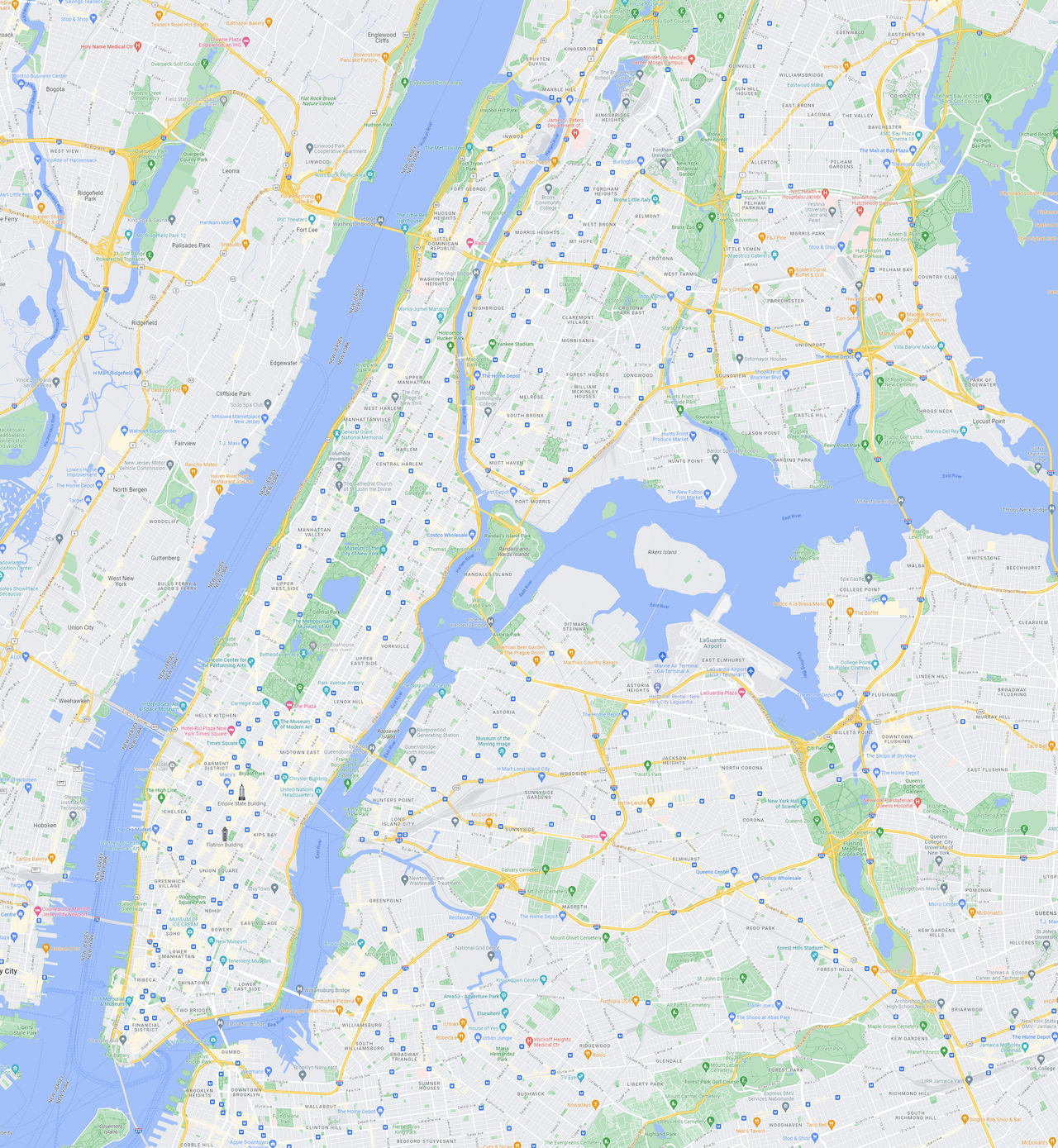
Manhattan GeoGrid Map - Interactive 7x7 Visibility Grid

Digital marketing for crime‑victim service providers is about positioning your organization where people in crisis are actively searching for help. In practical terms, it means crafting a blend of online assets website, local listings, content, ads, and social presence that guide victims, their families, and legal advocates straight to your door or phone line. Think of it as a safety net that catches someone who has just typed “victim assistance near me” and leads them to a trusted, empathetic resource that you control.

When you invest in a strategic digital plan, you dramatically improve your ability to be found by the right people at the right moment. Search engines, social feeds, and paid platforms become channels that surface your services before a victim even knows which provider to contact, turning anonymous queries into booked consultations and referrals. This visibility fuels growth by expanding your intake pipeline without relying solely on word‑of‑mouth or referral networks.

The crime‑victim sector has unique urgency and sensitivity, which means generic marketing tactics often fall flat. Victims need immediate reassurance, clear information, and evidence of credibility. Digital marketing tailored to this niche addresses those needs by delivering compassionate messaging, secure appointment‑booking tools, and trust‑building content that speaks directly to their situation.

Common challenges include low search visibility, limited budgets, and a reluctance to promote services that feel “salesy.” A well‑executed digital strategy solves these by leveraging cost‑effective local SEO to dominate “near me” queries, using carefully targeted PPC campaigns that only spend on high‑intent keywords, and creating content that educates rather than sells. The result is a steady flow of qualified leads that convert at a higher rate than traditional outreach.

Concrete results look like a 30‑40% increase in organic website traffic within six months, a 25% rise in booked consultations from paid ads, and a measurable boost in online reviews that improve trust signals. Key metrics you’ll track include Cost‑Per‑Lead, Conversion Rate from inquiry to intake, Search Ranking Position for core service terms, and the Net Promoter Score of online interactions all of which directly impact your ability to serve more victims effectively.

Marketing Channel Breakdown

Crime victim service SEO Services

Organic SEO for victim services is a long‑term investment that hinges on authoritative content that answers painful questions like “how to report a crime” or “what rights do victims have.” By researching niche keywords such as “victim advocacy program” and “trauma counseling for assault survivors” you can craft blog posts, FAQ pages, and resource guides that earn backlinks from legal blogs and nonprofit sites. Technical health matters too; a fast, secure site with proper schema markup signals trust to both users and search engines. Building domain authority through partnerships with law enforcement agencies and victim support networks creates a backlink profile that drives higher rankings. Over time, consistently ranking on the first page translates into a reliable intake stream that doesn’t require a daily ad spend.

PPC

Paid search gives you instant visibility when a victim types a high‑intent phrase like “emergency victim assistance.” By structuring campaigns around tightly themed ad groups one for crisis hotlines, another for legal counsel you can tailor ad copy to match the urgency of each query. Geo‑targeting ensures your budget only spends on clicks from the relevant county or metro area, while ad extensions showcase your 24/7 support line and free consultation offer. Conversion tracking lets you see which keywords actually lead to booked appointments, allowing you to reallocate spend toward the highest‑performing terms. A well‑managed PPC account can deliver a predictable Cost‑Per‑Lead that stays below the lifetime value of each new client.

Social Media

Social media is where you humanize your brand and build a community of survivors, advocates, and referral partners. Facebook groups and Instagram Stories let you share educational snippets, survivor success stories, and real‑time alerts about local crime‑prevention events. Leveraging LinkedIn to connect with law firms and social workers expands your referral network and positions your organization as a thought leader. Short‑form video on TikTok can demystify the reporting process in a compassionate, digestible way that reaches younger audiences. Consistent engagement responding to comments, hosting live Q&A sessions, and promoting webinars keeps your audience informed and more likely to turn to you when the need arises.

Local SEO for Crime victim service Businesses

Local SEO starts with a fully optimized Google Business Profile that showcases your hours, crisis hotlines, and client testimonials, making it pop in “near me” searches. By embedding location‑specific keywords like “victim support services in [City],” you increase the chances of appearing in the coveted Google Maps pack where most urgent searches happen. Accurate NAP (Name, Address, Phone) consistency across directories helps search engines trust your data, pushing you ahead of competing shelters or counseling centers. Collecting and responding to reviews not only builds credibility but also signals activity to Google, improving rankings for local queries. Finally, creating geo‑targeted landing pages that address city‑specific statutes or resources can capture additional traffic from victims seeking localized legal aid.

Funnels

The victim service funnel begins with awareness, often sparked by a search or social post, and must quickly move to trust before the prospect reaches out. A dedicated landing page with a clear headline, brief empathy‑driven copy, and a single‑field contact form reduces friction for distressed users. Automated email sequences can nurture leads by providing step‑by‑step guides, resource links, and reassurance that a real person will follow up within hours. Live chat or a callback request widget offers immediate reassurance, converting hesitant visitors into scheduled consultations. Throughout the funnel, A/B testing of headlines, button colors, and form lengths helps you isolate the highest‑converting pathways specific to this sensitive audience.

Website Optimization

A website for crime‑victim services must convey safety, credibility, and ease of use within seconds of landing. Clear navigation that separates services legal aid, counseling, emergency hotlines prevents overwhelm, while prominent, contrasting CTAs like “Get Immediate Help” guide users to the next step. Mobile‑first design ensures victims can access vital information on the go, and fast load times reduce bounce rates during high‑stress moments. Trust signals such as accreditation badges, partner logos, and anonymized testimonials reassure visitors that they’re in professional hands. Finally, secure, HIPAA‑compliant forms and encrypted chat options protect sensitive data while encouraging prospective clients to reach out without hesitation.

Who this service is for

Domestic Violence Shelters

Growing Domestic Violence Shelters ready to scale their digital presence.

Sexual Assault Support Centers

Growing Sexual Assault Support Centers ready to scale their digital presence.

Victim Advocacy NGOs

Growing Victim Advocacy NGOs ready to scale their digital presence.

Crisis Hotline Services

Growing Crisis Hotline Services ready to scale their digital presence.

Trauma Counseling Clinics

Growing Trauma Counseling Clinics ready to scale their digital presence.

Victim Compensation Claim Offices

Growing Victim Compensation Claim Offices ready to scale their digital presence.

Forensic Interview Agencies

Growing Forensic Interview Agencies ready to scale their digital presence.

Child Abuse Prevention Programs

Growing Child Abuse Prevention Programs ready to scale their digital presence.

Common problems in this industry

  • Limited organic visibility for trauma‑related search terms, causing potential clients to turn to unverified resources.
  • Difficulty balancing confidentiality with the need for compelling online content that educates without exposing sensitive details.
  • Inconsistent citation information across local directories, leading to confusion about service locations and hours.
  • Low conversion rates from website visitors due to complex intake forms that deter individuals in crisis.
  • Sparse backlink profile because reputable legal and health institutions are hesitant to link without clear partnership agreements.
  • Underutilized PPC budgets caused by poorly segmented campaigns that target generic keywords rather than urgent victim‑need queries.
  • Social media engagement that lacks trust signals, resulting in low audience growth among vulnerable populations.
  • Inadequate analytics tracking for phone calls and live chat, making it hard to attribute leads to specific marketing efforts.

Our services for this industry

Victim‑Focused Keyword Research & Mapping

We dive deep into the language victims use when seeking help, uncovering long‑tail phrases such as "confidential sexual assault attorney" and "emergency domestic violence shelter". Our research maps each keyword to a specific service page, ensuring relevance and intent alignment. We prioritize high‑impact, low‑competition terms to accelerate ranking while respecting the sensitive nature of the content. Deliverables include a comprehensive keyword matrix, content brief outlines, and seasonal trend forecasts. By targeting these precise queries, we drive qualified traffic that converts into service inquiries and appointments. Ongoing monitoring adjusts the strategy as new legal terminology or crisis trends emerge.

On‑Page SEO for Sensitive Content

Our on‑page optimization respects the confidentiality and emotional tone required for victim services. We craft meta titles, descriptions, and headings that incorporate empathetic language while embedding target keywords naturally. Structured data markup highlights crisis hotlines, office hours, and multilingual support, enabling rich results that appear instantly for urgent searches. Content editing ensures readability, accessibility, and compliance with privacy regulations such as HIPAA where applicable. Technical improvements include secure SSL certification, fast loading times, and mobile‑first design, all critical for users in distress. We also implement clear, contrasting call‑to‑action buttons that guide visitors to immediate help without overwhelming them.

Local Citation & Review Management

Accurate local citations are vital for victim service organizations that operate within specific jurisdictions. We audit existing listings across victim‑service directories, municipal resource pages, and health agency sites, correcting inconsistencies in address, phone number, and service descriptions. Our review strategy encourages satisfied clients and partner agencies to leave anonymized, trauma‑informed testimonials, boosting trust signals while safeguarding privacy. We set up automated monitoring to alert you of new reviews, enabling prompt, compassionate responses. The result is enhanced local pack rankings, higher click‑through rates, and increased community credibility. Quarterly citation reports keep you informed of progress and any emerging opportunities.

Authority Content & Outreach

We develop authoritative, evidence‑based content that positions your organization as a trusted voice in victim advocacy. Topics range from legal rights guides to self‑care checklists, each written with input from legal experts and counselors to ensure accuracy and sensitivity. Outreach campaigns target law schools, medical journals, and nonprofit coalitions for high‑quality backlinks, reinforcing your domain authority. Guest post placements and joint webinars further amplify your reach within the victim‑support ecosystem. Content performance is tracked through engagement metrics such as time on page, social shares, and inbound referral traffic. This strategy not only improves rankings but also educates the public, driving informed inquiries to your services.

Technical SEO Audits & Secure Site Enhancements

Our technical audits uncover performance gaps that can hinder vulnerable users, such as slow page loads, broken links, or insecure forms. We remediate issues by optimizing image sizes, implementing lazy loading, and refining server response times to achieve sub‑two‑second load speeds. Security hardening includes SSL enforcement, regular malware scans, and secure contact forms that comply with data protection standards. We also configure structured data for crisis hotlines, enabling instant call‑now features in search results. Detailed audit reports outline findings, prioritized action items, and timelines. Post‑implementation monitoring ensures sustained site health, providing a safe, reliable digital environment for individuals seeking assistance.

How our process works

We begin with a thorough intake session to understand your mission, service portfolio, and the unique challenges you face in reaching victims. Our team audits your existing digital assets, analyzes current traffic sources, and maps the client journey from search to intake. We interview key staff members counselors, legal advisors, and outreach coordinators to capture the language and concerns of your target audience. This phase culminates in a customized SEO roadmap that aligns with your organizational goals, compliance requirements, and budget considerations. Deliverables include an insights report, stakeholder personas, and a prioritized list of quick‑win opportunities. The discovery ensures every subsequent step is purpose‑driven and trauma‑informed.

Based on the discovery findings, we craft a comprehensive SEO strategy that blends keyword targeting, content creation, local optimization, and technical enhancements. We outline a phased implementation timeline, allocating resources to high‑impact areas first, such as emergency‑search term optimization and secure intake forms. Technical specifications are documented, covering site speed targets, mobile responsiveness, and schema markup for crisis services. Collaboration with your IT or web development team ensures seamless integration of recommended changes. We also develop a content calendar aligned with legal updates, awareness months, and community events. The strategy document serves as a living guide, reviewed weekly to adapt to emerging trends or policy shifts.

Our specialists execute on‑page optimizations, rewrite meta data with empathetic language, and embed structured data for hotlines and service locations. Simultaneously, we launch targeted PPC campaigns that complement organic growth, focusing on high‑intent crisis keywords. Content creators produce authority pieces legal guides, survivor stories, and safety checklists while outreach coordinators secure backlinks from reputable advocacy groups. Local SEO tactics are deployed, including citation corrections and review solicitation processes. Technical improvements such as site speed enhancements and SSL configurations are rolled out, with continuous performance monitoring. Weekly sprint reviews keep you informed of progress, adjustments, and early results.

After launch, we shift to a data‑driven optimization cycle, tracking rankings, organic traffic, conversion rates, and call‑tracking metrics specific to victim service inquiries. Monthly reports translate raw data into actionable insights, highlighting which keywords generate the most intake forms or hotline calls. We conduct quarterly audits to uncover new opportunities, such as emerging crisis trends or changes in search algorithm. Continuous A/B testing of landing page elements refines user experience, while our outreach team pursues additional high‑authority backlinks. Quarterly strategy sessions align SEO performance with your broader advocacy goals, ensuring sustained impact and ROI. This ongoing partnership guarantees that your digital presence evolves alongside the needs of the communities you serve.

Why choose us

Deep Expertise in Victim Advocacy SEO

Our team has spent years working exclusively with domestic violence shelters, sexual assault centers, and victim compensation offices, mastering the nuanced language and compliance requirements of the sector. We understand how to balance empathetic storytelling with search engine best practices, ensuring your site ranks without compromising privacy. This specialized focus means we can anticipate challenges like handling sensitive content and navigating legal terminology before they become obstacles. Clients consistently see higher qualified lead volumes because our strategies resonate with the exact phrases victims use during crises. Our proven track record includes a 50% increase in organic referrals for a statewide crisis hotline within six months. See our results.

Trauma‑Informed, Data‑Driven Approach

We embed trauma‑informed principles into every SEO tactic, from compassionate copywriting to secure form design, creating a safe online environment for users seeking help. Our data analytics platform tracks not just clicks but meaningful actions such as completed intake forms, hotline calls, and counseling appointments. By linking these outcomes to specific keywords and campaigns, we provide transparent ROI that funders and stakeholders demand. Continuous testing lets us refine messaging, ensuring we never sacrifice sensitivity for performance. This dual focus on empathy and metrics sets us apart from generic agencies that treat victim services like any other industry.

Holistic Marketing Integration for Maximum Impact

Beyond SEO, we synchronize PPC, social media, local listings, and conversion funnel optimization to create a unified outreach engine. Our integrated reporting dashboard shows how organic rankings boost paid click-through rates and how social engagement fuels website inquiries. This synergy amplifies each channel’s effectiveness, delivering more victims to your services while reducing overall acquisition costs. We also provide training for your staff on best practices for online intake and digital privacy, empowering your team to sustain growth long after the project ends. Partnering with Stormrage means receiving a full‑stack solution tailored to the mission-driven nature of victim assistance.

Frequently Asked Questions

What makes a Crime victim service marketing agency different from general agencies?

A Crime victim service marketing agency combines deep knowledge of victim advocacy with technical SEO expertise. We understand the legal, ethical, and emotional nuances of presenting services to people in crisis, ensuring content is both searchable and trauma‑informed. General agencies often lack this specialization, leading to generic messaging that can miss the specific search intent of victims. Our approach prioritizes confidentiality, secure communication, and collaboration with legal and counseling professionals, delivering results that align with your mission and compliance standards.

How much does Crime victim service SEO Services cost?

Pricing for Crime victim service SEO Services varies based on factors such as the competition level in your local market, the scope of work needed (number of locations, service lines, and website complexity), your current online visibility, and the specific goals you aim to achieve. We provide customized proposals after a free consultation where we assess your unique situation and objectives.

How long does it take to see results from Crime victim service SEO Services?

SEO is a long‑term strategy; most clients begin to notice measurable improvements in organic traffic and keyword rankings within 3 to 6 months. Faster gains are possible for high‑intent, low‑competition terms, while broader branding keywords may take 9 to 12 months to mature. We set realistic milestones during the discovery phase and provide monthly performance dashboards so you can track progress against your mission‑critical KPIs.

Do Crime victim service businesses need SEO Services?

Absolutely. Victims often start their search for help online, and without strong SEO, they may never find the support you provide. Effective SEO ensures that critical resources hotlines, counseling, legal aid appear at the top of search results, increasing timely access to assistance. It also builds credibility, as higher rankings are perceived as trustworthy, which is essential for organizations dealing with vulnerable populations.

What specific SEO tactics work best for victim assistance organizations?

Targeted keyword research focusing on crisis‑related queries, on‑page optimization that respects confidentiality, local citation management, and structured data for emergency services are core tactics. Additionally, building backlinks from reputable legal and health institutions, creating authoritative content on victim rights, and optimizing for mobile users who often search on the go drive the most impact. Each tactic is customized to reflect the language and urgency of victims seeking help.

Can SEO improve our intake form conversion rates?

Yes. By aligning landing page content with the exact intent of searchers, simplifying form fields, and adding trust signals such as secure SSL badges and anonymized testimonials, we create a seamless path from search to submission. A/B testing of call‑to‑action wording and button colors further boosts conversion. Clients typically see a 30‑50% lift in completed intake forms after implementing our conversion‑focused SEO enhancements.

How do you handle sensitive content while optimizing for search engines?

We employ a trauma‑informed approach that balances visibility with privacy. Content is crafted to be compassionate and informative without disclosing personally identifiable details. We use schema markup to surface essential contact information (hotline numbers, operating hours) while keeping case specifics private. All technical work follows strict data protection guidelines, ensuring that any user data collected through forms is encrypted and stored securely.

What metrics do you use to measure success for Crime victim service SEO?

Key performance indicators include organic traffic growth, rankings for crisis‑specific keywords, number of qualified leads (intake form submissions, hotline calls tracked via call‑tracking), conversion rate from visitor to client, and local pack visibility for service areas. We also monitor bounce rate, page load speed, and user engagement metrics such as time on page especially on resource‑heavy guides because they indicate relevance and trust.

Will you provide training for our staff on managing the website after SEO work is done?

Yes. We include a knowledge transfer session where we teach your team how to update content, monitor SEO health, and handle secure form submissions. We also provide a concise guide covering best practices for maintaining privacy standards, adding new service pages, and responding to online reviews. This empowers your organization to sustain growth and adapt to evolving search trends without relying on external support for routine updates.

We Can Also Help With

GBP Optimization

We fine‑tune your Google Business Profile to highlight the sensitive nature of crime victim support, ensuring accurate categories, service descriptions, and crisis‑line hours. Tailored photos and posts showcase your trauma‑informed environment, building immediate trust with families in distress. Optimized local citations and Q&A sections improve visibility in searches for victim assistance and legal aid. The result is higher local discoverability when anyone urgently searches for victim services near them.

On-Page SEO Foundations

Our technical audit restructures your site’s metadata, schema markup, and URL hierarchy to surface keywords like "victim advocacy" and "crime victim counseling". We implement fast, secure pages with clear navigation for users seeking emergency resources, reducing bounce rates during high‑stress visits. Structured data for legal services and crisis hotlines helps Google surface your content in featured snippets. This foundation drives organic traffic from families and professionals looking for qualified victim support.

Tracking & Analytics Setup

We integrate GA4, Search Console, and custom conversion events that capture calls, intake form submissions, and resource downloads specific to victim services. Heatmaps and funnel analysis reveal how survivors interact with safety resources, allowing you to refine pathways to counseling or legal aid. Alerts are set for spikes in crisis‑related traffic, so you can allocate staff quickly. Data‑driven insights empower you to demonstrate impact to funders and improve survivor outcomes.

PPC / Local Service Ads

Our paid campaigns target high‑intent keywords such as "crime victim assistance" and "victim compensation help" while respecting ad policies for sensitive services. We leverage Local Service Ads to appear at the top of local search results, directly linking users to your emergency intake line. Ad copy is crafted with trauma‑informed language and immediate call‑to‑action for support. The strategy maximizes qualified leads while staying within compliance for legal‑aid advertising.

Website Redesign + Core Web Vitals

We rebuild your site with a clean, compassionate design that loads under 2 seconds, meeting Core Web Vitals thresholds essential for user trust. Accessible navigation guides visitors from crisis contact forms to resource libraries without confusion. Mobile‑first layouts ensure survivors can reach help on any device, especially during emergencies. Enhanced UX reduces friction, increasing intake form completions and volunteer sign‑ups.

CRM / Automation Setup

We connect a CRM tailored for victim services, enabling case tracking, secure note‑keeping, and automated follow‑up sequences. Triggered emails deliver safety planning resources, counseling appointment reminders, and legal deadline alerts. Integration with phone‑tree systems ensures survivors receive timely, personalized outreach while maintaining confidentiality. Automation frees staff to focus on direct support rather than administrative tasks.

Review Generation System

Our ethical review system prompts satisfied survivors and partner agencies to share feedback on platforms like Google and Trustpilot, using trauma‑sensitive language. Automated post‑service surveys capture testimonials while safeguarding anonymity where required. Positive reviews improve community trust and help funders assess program effectiveness. The system also monitors and responds to any negative feedback promptly to protect your reputation.

Link Building

We earn backlinks from law firms, victim advocacy NGOs, and government victim‑rights portals, boosting domain authority for your crisis support site. Guest posts on legal aid blogs and resource guides for trauma counseling create contextual relevance. Each link is vetted for safety and compliance to avoid exposing vulnerable users to harmful sites. The resulting authority drives higher rankings for critical victim‑service queries.

Email Marketing

Targeted email sequences nurture survivors through stages of recovery, delivering resource guides, mental‑health tips, and updates on legal assistance. Segmentation separates crisis responders, long‑term counseling clients, and donor supporters for personalized content. Automated drip campaigns keep survivors engaged while respecting their privacy and consent preferences. Measurable open and conversion rates demonstrate the impact of ongoing communication on client retention.

Business Listing Expansion

Beyond Google, we populate your organization on niche directories such as Victim Services Locator, National Center for Victims of Crime, and state legal‑aid registries. Consistent NAP data and service descriptions improve cross‑platform discoverability for families searching for help. Listings include crisis‑line hours and confidentiality statements to reassure callers. Expanded presence captures leads from multiple referral sources, increasing overall intake volume.

Competitor Gap Analysis

We benchmark your digital footprint against other victim‑support agencies and legal‑aid providers, identifying missed keyword opportunities and content gaps. The analysis highlights underserved search intents like "post‑assault financial aid" and "victim impact statements help". Actionable recommendations guide new service pages, blog topics, and outreach tactics to fill those gaps. By staying ahead of competitors, you become the go‑to resource for survivors in your region.

Reputation Monitoring Dashboard

A real‑time dashboard tracks mentions of your organization across review sites, social media, and news outlets, flagging any crisis‑related sentiment spikes. Sentiment analysis helps you respond quickly to misinformation or negative experiences, protecting trust among vulnerable clients. Historical trends illustrate how outreach campaigns affect public perception over time. The dashboard equips leadership with evidence to demonstrate brand health to funders and partners.

Elevate Your Victim Support with Targeted SEO

Every moment a victim searches for help is a chance to make a lifesaving connection. Our specialized SEO strategies place your services at the forefront of urgent searches, driving qualified referrals and expanding your impact. Don't let privacy concerns or low visibility hold you back partner with Stormrage today and watch your outreach soar while preserving the dignity of those you serve.