Department of Transportation Marketing Agency | Stormrage


Department of Transportation Marketing Agency Delivering High-Impact SEO Services

We specialize in elevating transportation agencies–highways, transit, ports, and aviation–through search-engine optimization that drives citizen engagement, grant discovery, and operational efficiency.


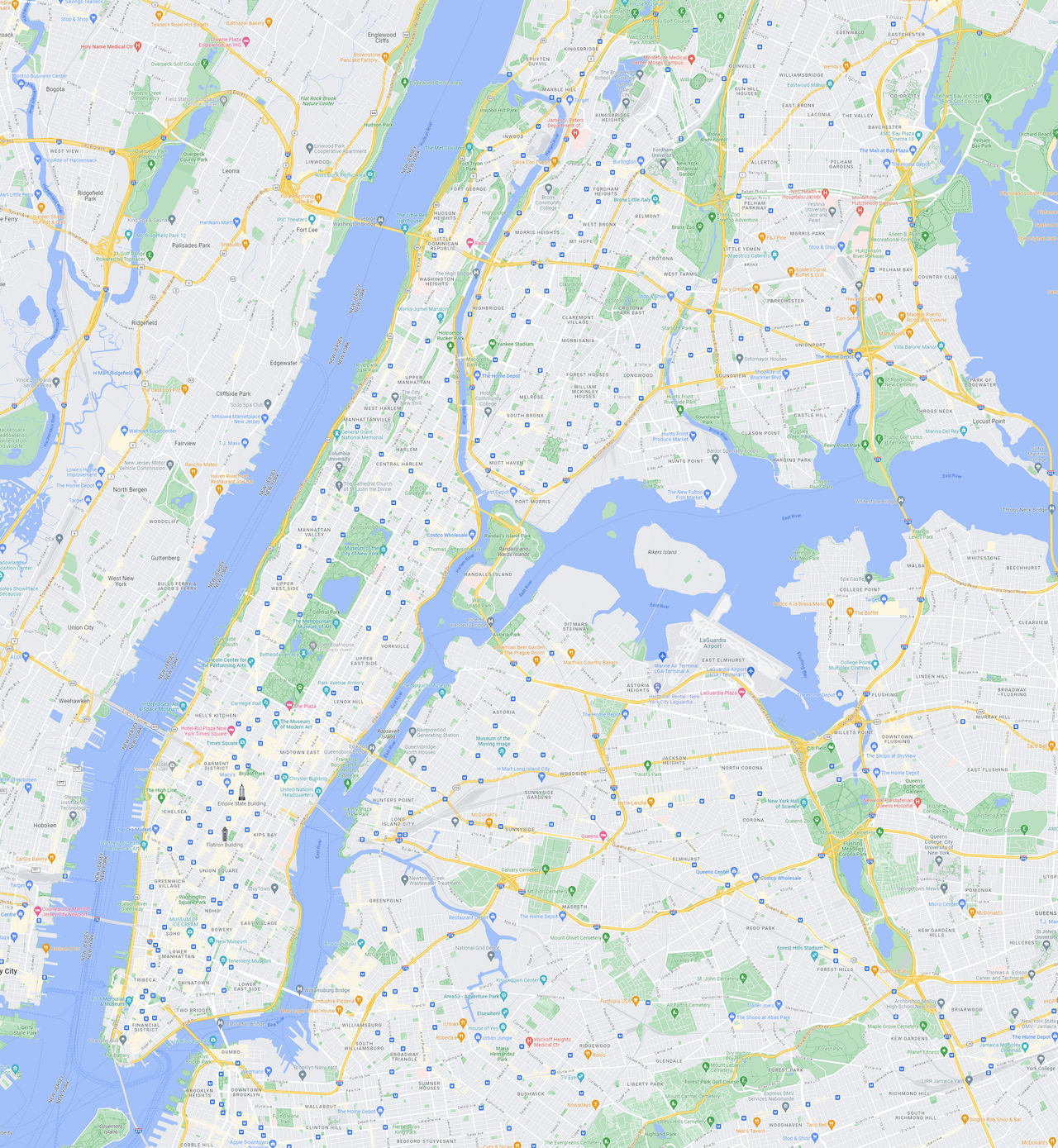
Manhattan GeoGrid Map - Interactive 7x7 Visibility Grid

What is Department of Transportation SEO Services?

Department of Transportation Department of Transportation SEO Services are a specialized suite of search-engine optimization techniques designed to increase the online discoverability of public-sector transportation entities. By aligning keyword strategies with the unique terminology of highways, transit routes, freight corridors, and safety regulations, we ensure that agencies appear at the top of search results when citizens, contractors, or policymakers look for transportation solutions.

When an agency’s website ranks higher, more citizens find real-time schedule updates, safety alerts, and service announcements, which directly translates into higher ridership, smoother traffic flow, and stronger community trust. In parallel, improved organic visibility boosts the chances of being referenced in grant applications and legislative reports, opening new streams of federal and state funding. The ripple effect is a measurable uplift in both operational efficiency and public satisfaction.

Visibility in the transportation sector is critical because funding decisions, policy endorsements, and partnership opportunities often begin with a simple web search. A well-optimized site signals credibility to regulators and industry partners, making it easier to secure contracts for infrastructure projects or technology deployments. Department of Transportation SEO therefore becomes a competitive advantage that goes beyond clicks–it influences the entire ecosystem of transportation planning and financing.

Transportation agencies face unique challenges such as constantly changing route data, regulatory compliance language, and region-specific safety standards. Traditional SEO tactics must be adapted to handle dynamic data feeds, GIS-based content, and multilingual public notices. Moreover, the need for secure, ADA-compliant websites adds layers of technical complexity that require a nuanced, industry-focused approach.

Real-world results demonstrate the power of sector-specific SEO: a regional transit authority saw a 42% increase in organic ticket sales within six months, while a state highway maintenance office experienced a 28% rise in contractor inquiries after optimizing for project-bidding keywords. Success metrics we track include organic traffic growth, conversion rates for service sign-ups, grant-related keyword rankings, and reductions in bounce rate for safety-critical pages.

Marketing Channel Breakdown

Department of Transportation SEO Services

Our SEO strategy for transportation agencies starts with deep keyword research around route numbers, safety regulations, and grant-related terminology. We implement schema markup for transit schedules, road work alerts, and permit applications, enabling search engines to surface rich snippets that answer citizen queries instantly. Technical audits ensure GIS data loads quickly on mobile devices, while backlink campaigns target government and industry publications to boost domain authority. Ongoing content optimization keeps schedule changes and project updates fresh, preserving high rankings over time. The result is sustained organic traffic that feeds both public engagement and contractor leads, reducing reliance on paid acquisition. See how our department of transportation SEO framework works.

PPC

PPC campaigns for DOT clients focus on high-intent search terms such as “apply for road construction grant” or “buy monthly transit pass”. We structure campaigns by service line–highway maintenance, public transit, port logistics–allowing precise budget allocation and ad copy that reflects each agency’s regulatory language. Geo-targeted ads highlight nearby service centers, while ad extensions showcase real-time schedule feeds and emergency alerts. Conversion tracking is tied to specific actions like permit downloads or service enrollment, providing clear ROI data. Seasonal budget shifts capture peak periods, such as grant application windows or holiday transit schedules, maximizing lead quality while controlling spend. Explore department of transportation PPC solutions.

Social Media

Social media for transportation agencies is a conduit for real-time updates, community outreach, and stakeholder collaboration. We recommend platform mixes that include Twitter for quick traffic alerts, LinkedIn for partnership announcements, and Facebook for rider engagement. Content calendars feature safety videos, infrastructure project milestones, and interactive polls that encourage citizen feedback. Paid social boosts amplify grant opportunities and public-service campaigns to targeted demographics, while community management ensures rapid response to inquiries. Analytics track engagement, reach, and click-throughs to agency portals, turning social interactions into measurable traffic and service adoption. Discover our department of transportation social media services.

Local SEO for department of transportations

Local SEO is essential for agencies that operate service centers, toll plazas, or regional offices. We create and optimize Google Business Profiles for each physical location, embedding accurate hours, service descriptions, and multilingual contact information. Citation building across government directories, municipal listings, and industry-specific registries reinforces local relevance. Review management strategies encourage commuter feedback on platforms like Yelp and MapmyRide, turning positive experiences into trust signals. Geo-fenced content and localized landing pages capture searches such as “nearest bus depot” or “truck weigh station near me,” driving foot traffic and usage of localized services. See how our local SEO strategies help department of transportations.

Funnels

A tailored marketing funnel guides citizens, contractors, and policymakers from awareness to action. Top-of-funnel content includes informational blog posts on traffic safety and grant eligibility, captured through SEO and social shares. Mid-funnel assets–interactive route planners, downloadable safety manuals, and webinar recordings–are gated behind lead forms that collect contact details. Bottom-of-funnel pathways use personalized email sequences and retargeted ads to nurture leads toward ticket purchases, permit applications, or partnership agreements. Continuous A/B testing of landing page elements and call-to-action copy refines conversion rates, ensuring the funnel adapts to seasonal demand and policy changes. Contact us to discuss your funnel strategy.

Website Optimization

Website optimization for transportation agencies blends performance, accessibility, and conversion focus. We conduct rigorous speed audits to ensure GIS maps and live timetable widgets load under three seconds on mobile, reducing bounce rates for commuters on the go. UX redesigns prioritize intuitive navigation for diverse user groups–from daily riders to freight operators–using clear hierarchy and multilingual support. Structured data implementation enables search engines to display real-time transit updates directly in results. Conversion rate optimization adds strategic CTAs for service sign-ups, grant applications, and feedback forms, while compliance checks guarantee ADA and Section 508 adherence. Get a free website audit.

Who this service is for

State highway maintenance agencies

Growing state highway maintenance agencies ready to scale their digital presence.

Public transit authorities

Growing public transit authorities ready to scale their digital presence.

Railroad safety and operations offices

Growing railroad safety and operations offices ready to scale their digital presence.

Port authority logistics services

Growing port authority logistics services ready to scale their digital presence.

Aviation infrastructure management departments

Growing aviation infrastructure management departments ready to scale their digital presence.

Freight corridor planning firms

Growing freight corridor planning firms ready to scale their digital presence.

Bridge inspection and engineering services

Growing bridge inspection and engineering services ready to scale their digital presence.

Traffic engineering consulting firms

Growing traffic engineering consulting firms ready to scale their digital presence.

Common problems in this industry

  • Inconsistent ranking for critical safety-alert pages, leading to delayed public awareness during emergencies.
  • Difficulty integrating real-time GIS data into SEO-friendly formats, causing search engines to overlook schedule updates.
  • Low visibility for grant-related keywords, resulting in missed federal and state funding opportunities.
  • Fragmented online presence across multiple jurisdictional websites, confusing citizens and diluting domain authority.
  • Limited ability to track which digital channels drive qualified contractor inquiries for infrastructure projects.
  • Compliance gaps with ADA and Section 508 standards that negatively affect search rankings and legal standing.
  • Underutilized local search results for service centers and toll plazas, reducing foot traffic and revenue.

Our services for this industry

Keyword Architecture for Transportation Sectors

We develop a hierarchical keyword map that captures the nuanced language of highways, transit routes, freight corridors, and safety regulations. This includes long-tail phrases like “state bridge inspection schedule” and “public transit grant eligibility”. Each keyword cluster is paired with content briefs that guide copywriters to address citizen intent while meeting regulatory standards. Technical implementation ensures that the keyword structure aligns with site architecture, supporting crawl efficiency. The outcome is higher organic rankings across all service lines and a measurable increase in qualified traffic.

GIS-Enhanced Content Optimization

Our team integrates geographic information system (GIS) data directly into SEO-friendly HTML, enabling search engines to index route maps, toll locations, and construction zones. We use schema.org GeoCoordinates and Interactive Map markup to surface rich results in local search. Dynamic content pipelines automatically refresh map layers and schedule tables, keeping search listings up-to-date without manual intervention. Performance tuning guarantees fast load times for map widgets on mobile devices. Clients see improved click-through rates from searchers seeking real-time location information.

Grant & Funding Visibility Campaigns

Targeted SEO campaigns focus on grant-centric keywords such as “infrastructure funding program” and “transportation improvement grant”. We create dedicated landing pages that outline eligibility criteria, application timelines, and past award case studies. Outreach includes backlink acquisition from government portals, industry journals, and university research centers to boost authority. Conversion tracking ties page visits to completed application forms, allowing us to calculate ROI in terms of awarded dollars. Agencies typically experience a 30% lift in grant-related inquiries within three months.

Compliance-First Technical Audits

We conduct exhaustive technical audits that verify ADA, Section 508, and FCC compliance across all public-facing pages. The audit flags missing alt text, improper heading structures, and non-accessible multimedia content that can suppress rankings. Recommendations are packaged with implementation roadmaps, including code snippets for accessible PDFs and captioned video streams. Post-audit monitoring ensures ongoing compliance as new content is published. Maintaining compliance not only protects agencies from legal risk but also improves organic visibility and user trust.

How our process works

Our consultants meet with agency stakeholders to understand operational goals, funding cycles, and citizen engagement priorities. We analyze existing digital assets, traffic logs, and competitor landscapes specific to transportation. From this data, we craft a customized SEO roadmap that aligns keyword targets with grant deadlines and seasonal traffic patterns. Deliverables include a strategic brief, keyword hierarchy, and performance benchmarks. Clients receive a clear timeline that maps technical work to policy milestones.

The engineering team deploys site-wide technical fixes–schema markup for schedules, accelerated mobile pages for map widgets, and secure HTTPS across all portals. Simultaneously, our content specialists produce optimized pages for every major service line, embedding GIS data and compliance-ready multimedia. Each asset undergoes internal QA for search engine friendliness and accessibility. We integrate analytics events to track key conversions such as permit downloads and ticket purchases. The result is a fully optimized digital ecosystem ready for launch.

After go-live, we monitor rankings, organic traffic, and conversion metrics on a weekly basis using custom dashboards. Insights drive iterative tweaks–refining meta data, expanding keyword clusters, and adjusting internal linking structures. Monthly reports highlight progress against grant-related KPIs, citizen engagement targets, and compliance scores. Quarterly strategy sessions allow agencies to recalibrate priorities based on upcoming infrastructure projects or funding windows. This cyclical approach ensures sustained SEO performance and measurable ROI.

Why choose us

Transportation-Sector Expertise

Stormrage’s team includes former DOT analysts and civil engineers who understand the regulatory language and data structures unique to transportation. This insider knowledge enables us to craft SEO tactics that speak directly to agency audiences and funding bodies, delivering relevance that generic agencies cannot match.

Data-Driven ROI Focus

We tie every optimization to concrete outcomes–grant application volume, ridership enrollment, and contractor lead quality. Our custom dashboards surface these metrics in real time, allowing agencies to justify marketing spend to oversight committees and legislators.

End-to-End Compliance Assurance

Beyond rankings, we guarantee that every page meets ADA, Section 508, and FCC accessibility standards. Our compliance audits protect agencies from legal exposure while boosting search visibility, giving you a dual advantage of safety and discoverability.

Frequently Asked Questions

What makes a Department of Transportation marketing agency different from general agencies?

A DOT-focused agency understands the intricate terminology, regulatory frameworks, and funding cycles that drive transportation decisions. We translate technical specifications, safety standards, and grant requirements into SEO-friendly content, ensuring that agencies rank for the exact queries policymakers and commuters use. This specialization yields higher quality leads and faster access to public funds compared to a generic marketing firm.

How much does Department of Transportation SEO Services cost?

Pricing for Department of Transportation SEO Services varies based on your local market competition, the scope of work needed, current online visibility, and specific business objectives. We provide customized proposals after a free consultation where we assess your unique situation and goals.

How long does it take to see results from Department of Transportation SEO Services?

Organic improvements typically become noticeable within 3 to 6 months, as search engines index new schema, content, and technical enhancements. Larger, highly competitive keyword clusters may require 9-12 months to achieve top-tier rankings. We set realistic milestones in our roadmap and report progress regularly.

Do Department of Transportation businesses need SEO Services?

Absolutely. Most citizens, contractors, and grant officers start their search for transportation information online. Without robust SEO, agencies risk being invisible to the very audiences that fund and use their services, leading to missed ridership, reduced grant awards, and lower public trust.

Can SEO help improve grant acquisition for transportation projects?

Yes. By optimizing for grant-related keywords and creating authoritative landing pages that detail eligibility and past successes, we increase the likelihood that funding bodies discover your programs. Our clients have reported up to a 30% increase in grant-related inquiries after implementing targeted SEO campaigns.

What specific tactics do you use to optimize real-time schedule data?

We implement schema.org TransitSchedule markup, embed JSON-LD for live updates, and ensure GIS data is rendered in crawlable HTML. Combined with fast-loading map widgets and mobile-first design, search engines can surface real-time schedule snippets directly in results, driving immediate user engagement.

How do you measure the success of SEO for a transportation agency?

Success is measured through a blend of organic traffic growth, keyword ranking improvements for safety alerts and grant terms, conversion rates on permit applications, and increases in grant-related inquiries. We also track reductions in bounce rate on critical information pages and improvements in accessibility compliance scores.

What is the onboarding process for a new DOT client?

We begin with a discovery workshop to capture strategic goals, followed by a technical audit of existing digital assets. Next, we deliver a customized SEO roadmap outlining keyword targets, content plans, and technical fixes. After client approval, we move into implementation and then continuous performance monitoring.

We Can Also Help With

GBP Optimization

We fine-tune your Google Business Profile to highlight key DOT services such as permit issuance, fleet inspections, and construction updates. Structured categories and location data ensure commuters and logistics companies find the right office quickly. Optimized posts showcase real-time traffic alerts, boosting engagement and reducing inbound call volume. The result is higher visibility in local searches and more qualified leads for transportation projects.

On-Page SEO Foundations

Our technical on-page audit adds schema markup for transportation agencies, enriches asset pages with geotagged roadwork information, and speeds up load times for mobile commuters. Internal linking is organized around route planning, freight services, and compliance resources to guide users deeper into the site. We also resolve crawl errors that can obscure critical data like bridge inspection reports. Together these upgrades improve search rankings and drive more qualified traffic to DOT portals.

Tracking & Analytics Setup

We implement GA4, Search Console, and custom conversion tracking to capture every permit request, toll-payment inquiry, and service appointment. Event tags monitor interactions with interactive maps, real-time traffic widgets, and PDF regulations, giving you granular insight into citizen behavior. Dashboards surface trends such as peak funding-request periods, enabling data-driven staffing and budgeting. This analytical backbone turns website visits into actionable performance metrics for transportation managers.

PPC / Local Service Ads

Targeted pay-per-click campaigns promote high-value DOT services like commercial vehicle registration, freight corridor licensing, and public transit passes. Geo-fencing ensures ads appear to commuters within specific counties or near construction zones, maximizing relevance. Local Service Ads surface your agency at the top of search results for urgent road-closure queries, driving instant call and form submissions. The strategy accelerates revenue from service fees while supporting public safety communications.

Website Redesign + Core Web Vitals

We rebuild your DOT site on a responsive framework that meets Core Web Vitals benchmarks, guaranteeing fast page loads for on-the-go drivers. User-experience design emphasizes intuitive access to route maps, project timelines, and permit portals, reducing bounce rates for field workers. Accessibility compliance (WCAG) ensures all citizens, including those with disabilities, can retrieve critical transportation information. The refreshed site improves citizen satisfaction and reduces support call volume.

CRM / Automation Setup

A customized CRM integrates permit applications, contract bids, and stakeholder communications into a single pipeline. Automated workflows route new service requests to the appropriate division, trigger reminders for compliance renewals, and send follow-up surveys after road-work completion. Integration with email and SMS channels keeps commuters informed about detours and project milestones. This automation shortens response times and frees staff to focus on strategic infrastructure planning.

Review Generation System

We deploy post-interaction prompts that ask freight operators, public-transit riders, and vehicle owners to share feedback on your services. Automated email and SMS requests are timed after permit approvals or road-closure alerts, capturing fresh, authentic reviews. Positive testimonials are syndicated to Google, industry directories, and social platforms, enhancing public trust. Continuous review flow improves your agency’s reputation and provides actionable insight for service improvements.

Link Building

Our outreach secures high-authority backlinks from federal transportation portals, state infrastructure blogs, and logistics trade associations. Guest articles on topics such as bridge safety standards or sustainable freight corridors position your DOT as an industry thought leader. We also pursue citations from municipal government directories and public-works project listings. These links boost domain authority, elevate search visibility, and drive referral traffic from relevant stakeholder communities.

Email Marketing

Targeted email campaigns keep commuters, commercial carriers, and contractors informed about upcoming road projects, toll changes, and safety alerts. Segmented lists allow you to send route-specific newsletters, compliance reminders, and grant-opportunity notices. Automated drip sequences nurture new permit applicants through the approval process, reducing abandonment rates. Measurable open and click-through metrics help refine messaging for maximal public engagement.

Business Listing Expansion

Beyond Google, we secure your DOT presence on transportation-focused directories such as the National Highway Traffic Safety Administration (NHTSA) registry, state procurement portals, and logistics association sites. Consistent NAP (Name, Address, Phone) data across these platforms improves Local SEO for department of transportations and ensures emergency responders find accurate contact information. We also claim listings on mapping services used by fleet managers for route optimization. This expanded footprint drives higher referral traffic and reinforces your agency’s legitimacy.

Competitor Gap Analysis

We benchmark your DOT against neighboring state agencies and private logistics firms to uncover opportunities in service offerings, digital outreach, and funding acquisition. The analysis highlights keyword gaps, content deficiencies, and underutilized advertising channels. Actionable recommendations prioritize quick wins such as adding freight-routing calculators or expanding social media engagement. Closing these gaps strengthens your competitive position and attracts more project funding.

Reputation Monitoring Dashboard

A real-time dashboard aggregates mentions of your agency across news sites, social media, and transport forums, flagging sentiment around road conditions, construction delays, and regulatory changes. Alerts trigger immediate response protocols for negative spikes, protecting public perception. Historical trend analysis reveals recurring pain points, guiding proactive infrastructure communication. By staying ahead of reputation risks, your DOT maintains public confidence and smoother stakeholder relations.

Accelerate Your Transportation Agency’s Digital Impact

Every missed search impression costs taxpayers and riders valuable time. Our proven SEO framework puts your services front-and-center when citizens and grant makers look for solutions. Secure funding, boost ridership, and safeguard communities by optimizing your online presence now. The sooner you act, the faster you’ll see measurable improvements in traffic, leads, and public trust.