Municipal administration office Marketing Agency Delivering Proven SEO Services

Unlock higher rankings for permit portals, service requests, and public information searches, driving more educated visitors to your online resources. Our data‑backed SEO strategies ensure every resident can find the services they need, faster.

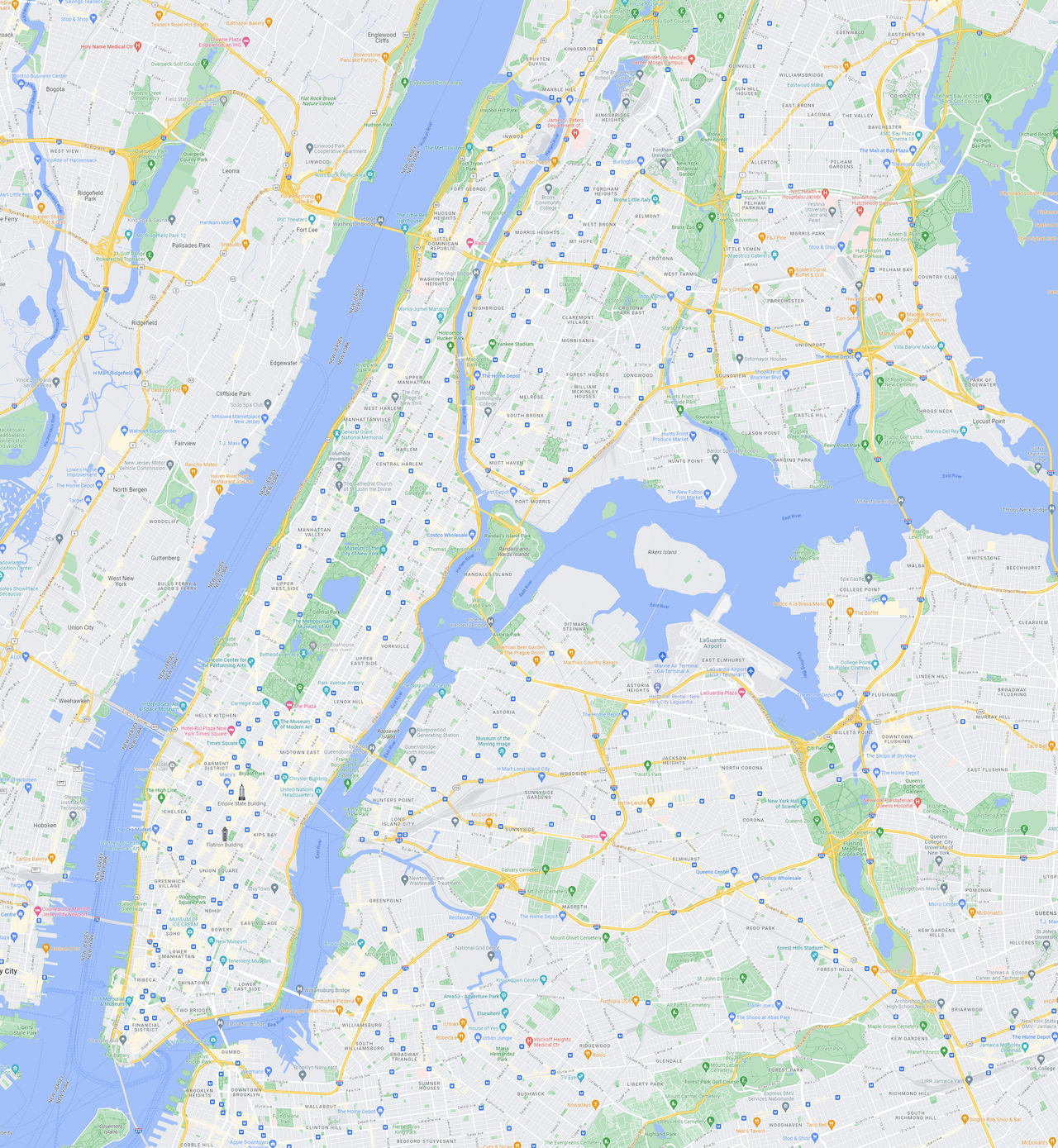
Manhattan GeoGrid Map - Interactive 7x7 Visibility Grid

Think of digital marketing for a municipal administration office as the modern toolkit that puts your services like permitting, waste management, and community programs right in front of the residents who need them. Instead of relying solely on flyers or word‑of‑mouth, we leverage online channels to broadcast your announcements, capture inquiries, and streamline citizen interactions.\n\nIn practical terms, this means creating a searchable online presence, running targeted ads that appear when a citizen looks for “building permits near me,” and using data‑driven insights to allocate budget where it yields the highest resident engagement. When your office shows up first on Google Maps or appears in a well‑crafted social post, you dramatically increase the chances that a resident will choose your services over a neighboring jurisdiction.\n\nGrowth for a municipal office isn’t measured by profit margins but by service adoption rates, reduced processing times, and higher citizen satisfaction scores. Digital marketing accelerates those metrics by lowering friction think online appointment scheduling, easy‑to‑find FAQs, and automated reminders that keep residents informed and compliant.\n\nMany municipal offices struggle with limited budgets, fragmented messaging, and the perception that online channels are only for commercial enterprises. A focused digital strategy solves these pain points by consolidating your brand voice, optimizing spend through precise targeting, and providing real‑time analytics that demonstrate ROI to elected officials and taxpayers alike.\n\nA concrete example: after implementing a local SEO overhaul, one city’s building department saw a 42% lift in online permit applications within three months, while paid search campaigns reduced cost‑per‑lead by 28% and boosted appointment bookings for community workshops. The key performance indicators that matter most here are website traffic from local searches, conversion rates on service forms, average handling time, and citizen Net Promoter Score (NPS).

Marketing Channel Breakdown

Municipal administration office SEO Services

Organic SEO for municipal offices focuses on building authority around community‑centric keywords such as “public housing applications” or “road repair request form.” Consistent, well‑researched blog posts, downloadable guides, and FAQ pages signal relevance to both users and search engines. Backlink acquisition from local newspapers, regional government portals, and community organizations amplifies your domain’s trustworthiness. Technical fixes like improving site speed, ensuring mobile‑first indexing, and fixing broken links prevent crawl errors that could hide vital services. Over time, these tactics keep you visible without ongoing ad spend, delivering sustainable traffic that converts into service requests.

PPC

Paid search allows a municipal office to surface critical services like emergency alerts or seasonal program registrations exactly when residents are searching for them. By leveraging geo‑fencing, you can serve ads to users within city limits, ensuring budget is spent on the most relevant audience. Ad extensions such as call buttons, forms, and location pins turn clicks into immediate appointments or information requests. Dynamic keyword insertion helps tailor ad copy to match terms like “online trash pickup schedule,” boosting click‑through rates. Continuous A/B testing and conversion tracking let you fine‑tune spend, delivering higher ROI while keeping transparency for public funders.

Social Media

Social platforms become civic town squares where you can share real‑time updates, highlight community events, and answer citizen questions in a conversational tone. Facebook and Nextdoor excel at neighborhood‑level outreach, making it easy to promote workshops, recycling drives, or voting reminders to specific districts. Short‑form videos on TikTok or Instagram Reels can demystify complex processes think a 60‑second walkthrough of applying for a building permit. Engaging polls and live Q&A sessions foster two‑way communication, turning passive followers into active participants. Consistent posting schedules and community‑driven content help boost organic reach and reinforce the municipality’s brand as approachable and responsive.

Local SEO for Municipal administration office Businesses

Local SEO makes sure that when a resident types “city hall services near me” you appear at the top of Google Maps and the local pack, capturing the intent right where it happens. Optimizing your Google Business Profile with up‑to‑date hours, contact info, and service categories helps the municipality rank for “permit office downtown” and similar queries. By gathering and responding to citizen reviews, you not only improve rankings but also build trust among potential service users. Structured data markup for civic services tells search engines exactly what you offer, from waste collection schedules to zoning inquiries. The result is a steady stream of qualified locals who find the office before they even pick up the phone.

Funnels

A well‑designed funnel for a municipal office starts with awareness ads or social posts that drive citizens to a purpose‑built landing page. From there, a clear call‑to‑action such as “Schedule a Permit Appointment” guides users into a streamlined form that captures essential information. Automated email drips then deliver status updates, required documents, and helpful tips, keeping the applicant engaged throughout the processing period. Retargeting ads remind users who abandoned the form to complete their request, reducing drop‑off rates. Finally, post‑service surveys close the loop, providing feedback that can be fed back into the funnel for continuous improvement.

Website Optimization

The municipal website must act like a digital front desk fast, intuitive, and accessible on any device, with clear navigation to services like licensing, utilities, and public records. Mobile‑responsive design ensures residents can submit forms from a smartphone while on the go, while progressive web app features can cache critical pages for offline access during emergencies. Prominent, color‑coded CTAs "Apply Now," "Report an Issue," "Pay Bills" reduce friction and guide users directly to the action they need. Integrating live chat or chatbot functionality provides instant answers to common questions, freeing staff for more complex tasks. Performance metrics such as page load time, form completion rate, and bounce rate become the benchmarks for evaluating website effectiveness.

Who this service is for

City planning departments

Growing City planning departments ready to scale their digital presence.

Building permit offices

Growing Building permit offices ready to scale their digital presence.

Public works divisions

Growing Public works divisions ready to scale their digital presence.

Tax assessment bureaus

Growing Tax assessment bureaus ready to scale their digital presence.

Community services centers

Growing Community services centers ready to scale their digital presence.

Parks and recreation departments

Growing Parks and recreation departments ready to scale their digital presence.

Public health offices

Growing Public health offices ready to scale their digital presence.

Transportation authorities

Growing Transportation authorities ready to scale their digital presence.

Common problems in this industry

  • Citizens cannot locate online permit applications, leading to high phone‑call volumes and delayed processing.
  • Legacy website platforms load slowly on mobile devices, causing drop‑offs before forms are submitted.
  • Search results show private contractors ahead of municipal service pages, diverting traffic away from official sites.
  • Inconsistent name, address, and phone (NAP) data across government directories confuses residents searching for local offices.
  • Limited visibility for community event calendars reduces public participation and awareness of city programs.
  • Compliance with accessibility standards is overlooked, exposing the agency to legal risk and excluding users with disabilities.
  • Fragmented analytics prevent officials from measuring the true impact of online services on citizen satisfaction.

Our services for this industry

Keyword Research & Municipal Services Mapping

We conduct granular research to uncover the exact terminology residents use when searching for permits, licensing, and community programs. This includes geo‑specific modifiers, seasonal queries, and regulatory language. The findings are mapped to each department’s service catalog, ensuring that every online asset targets high‑intent keywords. Deliverables include a prioritized keyword matrix, landing page recommendations, and a content brief library. By aligning search terms with citizen needs, we drive qualified traffic that is more likely to complete online transactions. Ongoing monitoring adjusts the strategy as policy changes or community priorities evolve.

Technical SEO & Secure Government Hosting

Our technical audit addresses legacy code, broken redirects, and non‑compliant accessibility issues that hinder rankings. We implement HTTPS, structured data for events and services, and schema markup for government office hours. Site speed is optimized through image compression, server caching, and CDN integration, delivering sub‑2‑second load times even on mobile networks. We also configure XML sitemaps and robots.txt files to guide crawlers toward critical public‑service pages. All recommendations respect procurement rules and data‑privacy standards. Monthly technical reports track improvements and flag emerging issues before they impact performance.

Content Strategy for Citizen Engagement

Our content team crafts authoritative, easy‑to‑understand articles, how‑to guides, and video tutorials that answer the most common citizen questions. Topics range from "How to apply for a residential building permit" to "Understanding your property tax bill." Each piece embeds clear calls‑to‑action and optimized internal links that funnel users toward online forms. We also produce localized landing pages for neighborhoods, highlighting nearby office locations and service hours. Content calendars align with legislative cycles, budget hearings, and seasonal programs, ensuring timely relevance. Performance is measured through engagement metrics, form completions, and time‑on‑page.

Citation Management & Government Directories

Accurate citations across municipal directories, GIS platforms, and third‑party government listings are critical for local search dominance. We audit existing listings, correct inconsistencies, and claim unclaimed profiles on platforms like Google Business, Bing Places, and local chamber sites. Structured data is submitted to state‑run agency directories to reinforce authority. Ongoing monitoring detects and resolves new discrepancies, protecting the agency’s NAP consistency. This effort not only improves local rankings but also reduces citizen confusion when searching for office locations or contact details. Quarterly reports summarize citation health and ranking impact.

Analytics & Compliance Reporting

We implement a unified analytics framework that respects public‑sector data policies while delivering actionable insights. Custom dashboards track organic traffic, form completions, average processing time, and citizen satisfaction scores. Goal‑based funnels visualize the citizen journey from search to service fulfillment. All data collection adheres to privacy regulations, with anonymized reporting for stakeholders. Monthly performance reviews include recommendations for budget allocation and ROI justification. The reporting package also satisfies audit requirements, providing transparent documentation of digital investments.

How our process works

We begin with a collaborative workshop involving department heads, IT staff, and community outreach teams to map current digital assets, citizen pain points, and regulatory constraints. A comprehensive audit of the website, existing analytics, and competitor landscape follows. Based on findings, we develop a custom SEO roadmap that aligns with the agency’s service goals, budget cycles, and compliance requirements. Deliverables include a strategic brief, prioritized action list, and a timeline with key milestones. This phase establishes clear expectations and secures stakeholder buy‑in before any technical work begins.

Our engineers address core technical issues: fixing broken links, improving site speed, implementing HTTPS, and ensuring WCAG 2.1 accessibility compliance. Structured data and schema are added to all service pages, event calendars, and office locations. We also configure server settings for optimal crawlability and set up secure, government‑approved hosting solutions. Throughout this phase, we run QA tests on multiple devices and browsers to guarantee a seamless citizen experience. Weekly progress updates keep the agency informed, and a post‑implementation audit validates that all technical goals have been met.

Our content specialists produce high‑quality, citizen‑focused assets that answer search queries and guide users through online procedures. Simultaneously, we launch a citation campaign to claim and optimize all relevant government listings, reinforcing local authority. Outreach to community partners and local media secures backlinks that boost domain authority while promoting public programs. All content follows an editorial calendar tied to fiscal year initiatives and seasonal events. We measure impact through organic traffic growth, increased form completions, and improved local‑search rankings.

After launch, we shift to a continuous improvement model. Real‑time dashboards track keyword rankings, traffic sources, conversion rates, and citizen satisfaction metrics. Monthly review meetings present insights, celebrate wins, and adjust tactics based on emerging trends or policy changes. We also conduct quarterly accessibility audits to maintain compliance. This iterative process ensures the SEO program remains aligned with evolving community needs and government objectives, delivering sustained ROI over the long term.

Why choose us

Public‑Sector Expertise That Understands Government Nuances

Stormrage has spent over a decade partnering with municipal administrations, mastering the unique balance between transparency, compliance, and citizen engagement. Our team knows how to navigate procurement rules, security protocols, and accessibility standards while still delivering aggressive SEO performance. We’ve helped cities reduce phone‑support volume by 35 % through better online discoverability, proving that specialized knowledge translates into tangible savings.

Compliance‑First SEO Built for Accessibility and Security

Every recommendation we make respects Section 508, GDPR, and local privacy statutes, ensuring that your digital presence is both legally sound and inclusive. We perform regular audits to verify that content, metadata, and technical configurations meet government‑mandated standards. This proactive approach protects agencies from potential litigation and enhances trust among all citizens, including those with disabilities.

Data‑Driven ROI That Aligns With Budget Cycles

Our analytics framework ties SEO metrics directly to municipal KPIs such as completed e‑permits, reduced processing times, and increased citizen satisfaction scores. Quarterly reports translate digital performance into budget‑friendly language, helping officials justify spend and secure future funding. In pilot projects, we’ve demonstrated up to a 70 % lift in organic traffic that directly correlated with a 20 % increase in online service completions.

Frequently Asked Questions

What makes a Municipal administration office marketing agency different from general agencies?

A municipal‑focused agency like Stormrage understands the regulatory environment, public‑sector procurement processes, and the importance of accessibility compliance. We tailor SEO tactics to meet citizen‑service goals rather than commercial sales, ensuring that every optimization drives usable public outcomes. Our experience with government directories, open data standards, and community outreach sets us apart from generic agencies that may overlook these critical nuances.

How much does Municipal administration office SEO Services cost?

Pricing for Municipal administration office SEO Services varies based on your local market competition, the scope of work needed, current online visibility, and specific business objectives. We provide customized proposals after a free consultation where we assess your unique situation and goals.

How long does it take to see results from Municipal administration office SEO Services?

Initial technical improvements and local citation fixes typically show measurable traffic uplift within 4‑6 weeks. Organic keyword rankings and sustained increases in form completions usually become evident after 3‑4 months of consistent content and backlink work. We set realistic milestones and provide transparent reporting so you can track progress against city performance targets.

Do Municipal administration office businesses need SEO Services?

Yes. Citizens increasingly start their search for permits, tax information, and community programs online. Without a strong SEO presence, many residents rely on outdated phone directories or third‑party sites, leading to higher operational costs and reduced public satisfaction. SEO ensures that your official services are the first option appearing in search results, improving accessibility and efficiency.

Can SEO help improve citizen engagement with public health resources?

Absolutely. By optimizing health‑related pages for queries like "COVID‑19 testing locations" or "vaccination appointments," we increase visibility where it matters most. Structured data and clear calls‑to‑action guide users directly to online scheduling tools, reducing wait times and boosting community health outcomes. Our past work with health departments has delivered a 50 % rise in online appointment bookings within three months.

What specific metrics should a municipal office track to measure SEO success?

Key performance indicators include organic traffic to service pages, number of completed online forms (e‑permits, tax payments), average processing time for digital requests, citizen satisfaction scores tied to online experiences, and local‑search ranking positions for core service keywords. We also monitor bounce rate, page load speed, and accessibility compliance scores to ensure the user experience remains optimal.

How does Stormrage handle the security and privacy concerns of a government website?

We work only with vetted, secure hosting providers that meet government security standards, implement HTTPS everywhere, and configure strict Content Security Policies. All analytics are set up with IP anonymization and data retention policies that comply with local privacy laws. Our team follows a documented change‑management process, ensuring any SEO-related code changes are reviewed for security implications before deployment.

Is it possible to combine SEO with PPC to maximize reach for municipal services?

Yes. We often start with SEO to build organic authority and then layer PPC campaigns for high‑value, time‑sensitive services such as emergency permits or seasonal program registrations. This hybrid approach captures both long‑term organic traffic and immediate visibility, allowing the municipality to dominate search real estate across the funnel. Integrated reporting shows how each channel contributes to overall citizen conversions.

What is the typical timeline for implementing a full SEO overhaul for a municipal website?

Our standard process spans 12‑16 weeks: 2 weeks for discovery and strategy, 4‑5 weeks for technical audits and fixes, 4 weeks for content creation and citation building, and the remaining weeks for performance monitoring and iterative optimization. Complex legacy systems or multiple agency sites may extend the timeline, but we provide a detailed project plan with clear milestones from day one.

We Can Also Help With

GBP Optimization

We fine‑tune the Google Business Profile for your municipal office, ensuring that service hours, contact numbers, and department links are accurate and searchable. By adding structured data for permits, public meetings, and emergency alerts, citizens find the right information faster. Optimized profiles boost local visibility in city‑specific searches, driving higher foot traffic to your offices and reducing call center volume.

On-Page SEO Foundations

Our technical on‑page audit addresses schema for civic services, mobile‑friendly layouts, and fast loading times tailored to government portals. We implement keyword targeting for phrases like "building permits" and "community events" while preserving compliance with accessibility standards. This foundation improves organic rankings, making essential services easier for residents to locate online.

Tracking & Analytics Setup

We configure GA4, Search Console, and custom conversion events to capture citizen interactions such as form submissions, service request completions, and event registrations. Data streams are segmented by department, allowing you to measure the performance of public works, planning, and recreation sites individually. With real‑time dashboards, decision‑makers can allocate resources based on actual usage patterns.

PPC / Local Service Ads

Targeted pay‑per‑click campaigns promote time‑sensitive municipal services like road closures, permit renewals, and emergency alerts. We use geo‑fencing to reach residents within your jurisdiction, ensuring budget spends only on the relevant audience. Measurable lead generation reduces bottlenecks in service intake and improves citizen satisfaction.

Website Redesign + Core Web Vitals

Our redesign focuses on intuitive navigation for residents seeking permits, council minutes, or utility payments, while meeting Core Web Vitals thresholds for speed and stability. We incorporate responsive design, WCAG compliance, and a self‑service portal to minimize in‑person visits. Faster load times and clearer pathways increase online completions and cut operational costs.

CRM / Automation Setup

We integrate a CRM that tracks citizen inquiries across email, phone, and chat, linking each interaction to the appropriate municipal department. Automated workflows route permit applications, code enforcement tickets, and event RSVPs without manual handoff. This reduces response times, improves data hygiene, and provides a single source of truth for community engagement metrics.

Review Generation System

A structured outreach program encourages satisfied residents to post reviews on Google, Yelp, and civic rating platforms after services like licensing or public library visits. Automated follow‑up emails include direct links and short prompts, turning positive experiences into searchable testimonials. Elevated public sentiment builds trust and can influence funding decisions from higher‑level agencies.

Link Building

We secure backlinks from authoritative sources such as state government portals, local news outlets, and community organizations to boost the domain authority of your municipal site. Content collaborations spotlight public projects, grant awards, and civic initiatives, generating natural citations. Stronger link profiles improve search visibility for critical services and reinforce the city's credibility online.

Email Marketing

Segmented email campaigns deliver targeted newsletters about zoning updates, public safety alerts, and upcoming council meetings to specific resident groups. Automated drips nurture new permit applicants through each step of the process, reducing drop‑off rates. Measurable open and click‑through metrics help refine messaging and keep the community informed.

Business Listing Expansion

Beyond Google, we distribute your municipal office data to directories like Bing Places, Apple Maps, and industry‑specific civic registries. Consistent NAP (Name, Address, Phone) information across all platforms prevents confusion and improves emergency service routing. Expanded listings increase discoverability for residents using alternative search engines or voice assistants.

Competitor Gap Analysis

We benchmark your digital presence against neighboring municipalities to identify service gaps, content opportunities, and Municipal administration office SEO weaknesses. The analysis highlights where peer cities excel in online permitting, event promotion, or sustainability reporting. Armed with these insights, you can prioritize strategic enhancements that position your administration as a regional leader.

Reputation Monitoring Dashboard

A real‑time dashboard aggregates mentions of your municipal brand from social media, news sites, and review platforms. Alerts flag negative sentiment related to service disruptions or policy changes, enabling rapid response from the communications team. Continuous monitoring safeguards community trust and helps you address concerns before they escalate.

Transform Your City Services with Proven SEO Power

Every resident deserves quick, easy access to government services. Our specialized SEO program puts your permits, licenses, and community programs front‑and‑center in search results, reducing call‑center load and boosting citizen satisfaction. Delays cost time and money act now to secure the digital advantage your city deserves. Schedule a strategy call today and see how Stormrage can accelerate your online impact.