Your Suburban train line Marketing Agency for Proven SEO Services

We specialize in optimizing schedules, station pages, and fare information so commuters find you first, turning online searches into boardings and higher fare revenue.

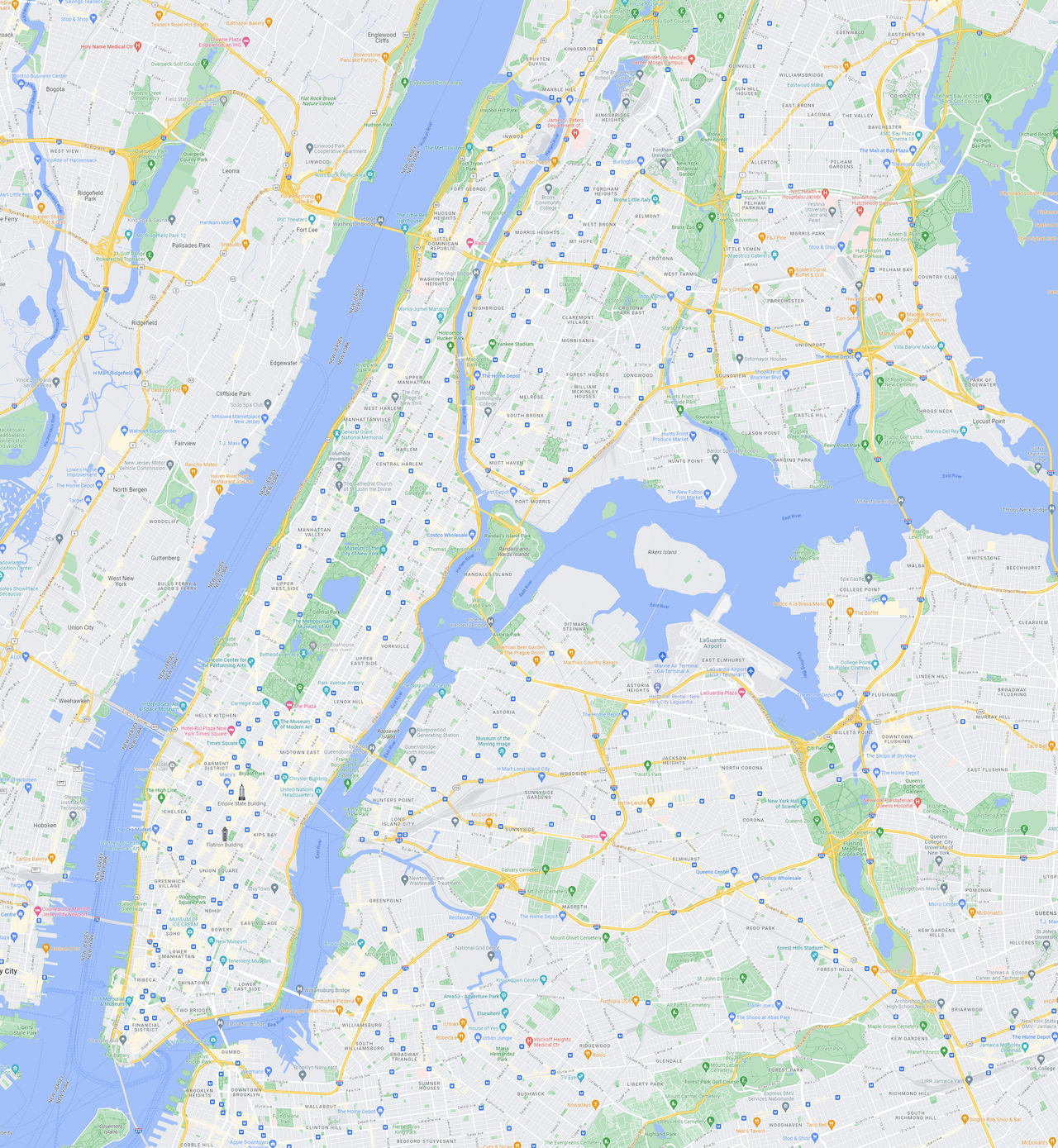
Manhattan GeoGrid Map - Interactive 7x7 Visibility Grid

What is Suburban train line SEO Services?

In the Suburban train line industry, Suburban train line SEO services mean tailoring every digital touchpoint—from timetables and route pages to ticket‑purchase funnels—to rank prominently in search results where daily commuters begin their journey. By aligning keyword strategies with the exact language riders use—such as "closest commuter rail station" or "weekday train schedules"—we ensure your services appear at the top of both desktop and mobile queries.

Effective Suburban train line SEO drives measurable growth for Suburban train line operators. Higher visibility translates directly into increased ticket sales, more season‑pass enrollments, and stronger brand awareness across the regions you serve. When a passenger searches for the best route to work, a top‑ranked station page can be the decisive factor that turns a click into a boarding pass.

For transit agencies, SEO is not a luxury; it is essential competition against ride‑sharing apps, private shuttles, and neighboring rail networks. A well‑optimized online presence ensures that your schedules, fare information, and service alerts are the first answers commuters receive, preserving market share and encouraging public‑transport adoption.

The Suburban train line sector faces unique challenges: fragmented station locations, seasonal service variations, and a need for real‑time data integration. Search engines favor fresh, accurate content, so maintaining up‑to‑date timetables, outage notices, and accessibility information requires a dynamic SEO strategy that can adapt quickly to operational changes.

When executed correctly, SEO delivers a clear ROI: increased organic traffic, higher conversion rates on ticket‑purchase pages, and reduced reliance on paid advertising spend. Success metrics include organic session growth, click‑through rates for schedule queries, and the proportion of booked tickets originating from organic search—each contributing to a healthier bottom line for your rail operation.

Marketing Channel Breakdown

Suburban train line SEO Services

Our SEO strategy for Suburban train line businesses starts with deep keyword research focused on commuter intent, such as "nearest train station" and "weekday rail schedule". We optimize station landing pages, route maps, and fare calculators to capture local and regional searches. Technical SEO ensures fast page loads on mobile devices, crucial for travelers checking schedules on the go. Content creation highlights service reliability, on‑time performance, and community initiatives, building authority and trust. Ongoing backlink acquisition from city tourism boards and transit directories boosts domain authority, while schema markup surfaces real‑time train times directly in SERPs. The result is sustained organic growth, higher ticket bookings, and reduced cost per acquisition over time. See how our suburban train line SEO framework works.

PPC

PPC campaigns for Suburban train line operators target high‑intent keywords like "buy train tickets online" and "last‑minute commuter rail tickets". We structure ad groups around specific routes, peak travel times, and promotional fare offers to maximize relevance and Quality Score. Geo‑targeted ads highlight nearby stations, driving foot traffic to underperforming locations. Extension assets showcase real‑time departure information, encouraging immediate clicks. Conversion tracking integrates with ticketing platforms, allowing us to optimize bids toward the most profitable journeys. Seasonal promotions—such as holiday service extensions—are accelerated with limited‑time ad spend, delivering quick spikes in ridership. Explore suburban train line PPC solutions.

Social Media

Social media amplifies your Suburban train line brand by connecting with commuters where they spend idle time. We prioritize platforms like Facebook and Instagram for community updates, while LinkedIn engages corporate partners for commuter benefit programs. Content calendars feature live schedule alerts, station improvements, and rider testimonials to foster trust. Paid social retargeting reaches users who visited schedule pages but did not purchase tickets, nudging them back with limited‑time discounts. Influencer collaborations with local lifestyle creators showcase scenic routes and boost organic reach. Engagement metrics—such as comments about on‑time performance—feed into SEO content, creating a feedback loop that enhances both channels. Discover our suburban train line social media services.

Local SEO for suburban train lines

Local SEO is vital for Suburban train line operations with multiple stations across a region. We claim and optimize each station's Google Business Profile, ensuring accurate hours, amenities, and real‑time departure info. Citation building on transit directories, municipal websites, and local tourism boards strengthens location relevance. Review management encourages riders to share experiences, turning positive feedback into higher rankings in "near me" searches. Hyper‑local landing pages target neighborhood keywords like "train station in Brookfield" to capture nearby commuters. Structured data markup for station addresses and service schedules enhances visibility in Google Maps and local packs. See how our local SEO strategies help suburban train lines.

Funnels

A tailored marketing funnel guides Suburban train line prospects from awareness to boarding. At the top, SEO and social content raise awareness of routes and convenience. Mid‑funnel tactics include downloadable commuter guides, email newsletters with schedule updates, and retargeted ads offering first‑ride discounts. The bottom funnel focuses on a streamlined ticket purchase experience with one‑click booking and mobile‑friendly checkout. Post‑purchase, we nurture riders with loyalty programs, real‑time service alerts, and surveys to boost repeat ridership. Funnel analytics pinpoint drop‑off points—such as abandoned carts—allowing us to refine messaging and increase conversion rates. Contact us to discuss your funnel strategy.

Website Optimization

Website optimization for Suburban train line businesses prioritizes speed, mobile usability, and clear conversion pathways. We implement AMP for schedule pages, ensuring instant load times on commuter phones. Information architecture groups routes, fares, and service alerts logically, reducing friction for users searching for specific trips. Interactive timetable widgets and fare calculators increase engagement and dwell time. Conversion rate optimization includes prominent "Buy Ticket" buttons, trust badges, and streamlined forms that capture essential passenger data in three steps or fewer. Ongoing A/B testing refines headline copy, button colors, and page layouts to continuously boost bookings. Get a free website audit.

Who this service is for

Regional rail operators

Growing regional rail operators ready to scale their digital presence.

Commuter transit authorities

Growing commuter transit authorities ready to scale their digital presence.

Station retail concession owners

Growing station retail concession owners ready to scale their digital presence.

Railway maintenance contractors

Growing railway maintenance contractors ready to scale their digital presence.

Ticketing platform providers

Growing ticketing platform providers ready to scale their digital presence.

Onboard catering services

Growing onboard catering services ready to scale their digital presence.

Last‑mile shuttle providers

Growing last‑mile shuttle providers ready to scale their digital presence.

Rail advertising firms

Growing rail advertising firms ready to scale their digital presence.

Common problems in this industry

  • Low visibility in local search for individual station locations, causing missed commuter traffic.
  • Outdated timetables on web pages leading to passenger frustration and reduced bookings.
  • Difficulty ranking for route‑specific queries against larger national rail competitors.
  • Limited mobile‑friendly content, causing high bounce rates from commuters checking schedules on the go.
  • Inconsistent NAP (Name, Address, Phone) data across directories, harming local SEO performance.
  • Negative or scarce online reviews affecting rider trust and perception of service reliability.
  • Weak integration between ticketing platforms and SEO, resulting in missed conversion opportunities.
  • Inadequate tracking of organic versus paid lead sources, making ROI measurement impossible.

Our services for this industry

Keyword Research & Route Optimization

We conduct granular keyword research that mirrors commuter language, targeting phrases like "weekday train schedule" and "nearest commuter rail stop". Each route receives a dedicated landing page optimized for its specific origin‑destination pair, with schema markup that displays departure times directly in search results. Content clusters around regional attractions and employment hubs boost relevance for local travelers. Ongoing performance monitoring adjusts keyword focus as service patterns evolve throughout the year. The deliverable includes a comprehensive keyword map, optimized page layouts, and monthly ranking reports showing organic session growth per route.

Local SEO for Stations & Depots

Our Local SEO for suburban train lines package claims and fine‑tunes Google Business Profiles for every station, ensuring accurate hours, accessibility features, and real‑time departure feeds. We build citations on municipal, tourism, and transit-specific directories to reinforce each location's authority. Review generation strategies encourage riders to share experiences, while reputation management addresses negative feedback promptly. Geo‑targeted landing pages incorporate neighborhood keywords, driving hyper‑local traffic from nearby residents. Results are measured through local pack rankings, click‑through rates, and footfall analytics linked to each station's online presence.

Content Strategy for Timetables & Service Updates

We produce a continuous stream of SEO‑friendly content that keeps commuters informed and search engines satisfied. This includes weekly blog posts on service changes, seasonal route highlights, and rider safety tips. Interactive timetable widgets are embedded on content pages, providing real‑time data that search engines love. Our editorial calendar aligns with peak travel periods, promoting early‑bird fare promotions and holiday service extensions. Each piece is optimized for featured snippets, increasing visibility for "what time does the train leave" queries. Success metrics cover organic traffic, dwell time, and conversion lift from content to ticket purchases.

Technical SEO & Mobile Speed for Ticketing Platforms

Technical audits uncover crawl issues, duplicate content, and slow page loads that deter commuter bookings. We implement AMP for schedule pages, compress images, and leverage browser caching to achieve sub‑2‑second load times on mobile devices. Structured data for events and transport schedules ensures rich results in SERPs, displaying live departure times directly to users. Security enhancements, including HTTPS and PCI‑compliant checkout, boost trust signals that improve rankings. Post‑implementation monitoring tracks Core Web Vitals, indexing health, and error logs, guaranteeing a seamless booking experience for on‑the‑go travelers.

Review Management & Reputation for Transit Services

Rider reviews heavily influence commuter choice, especially for new stations or service expansions. We set up automated post‑ride email prompts that encourage satisfied passengers to leave 5‑star reviews on Google and industry platforms. Negative feedback is routed to a dedicated response team that addresses concerns publicly, demonstrating commitment to service quality. Review sentiment analysis feeds into SEO content, turning common praise points into targeted keywords. Monthly reputation dashboards show review volume, average rating, and impact on local rankings, enabling data‑driven reputation strategies.

How our process works

We begin with a deep-dive audit of your existing digital assets, including website performance, current keyword rankings, and Google Business Profiles for each station. Our team maps out every route, stop, and service offering to identify gaps between commuter search intent and your online presence. Stakeholder interviews uncover strategic goals such as increasing weekday ridership or promoting new line extensions. The audit report highlights technical issues, content opportunities, and competitive benchmarks specific to the Suburban train line market. Within two weeks we deliver a clear roadmap that aligns SEO tactics with your operational calendar.

Using audit insights, we craft a bespoke SEO strategy that prioritizes high‑value commuter queries and seasonal travel peaks. The keyword blueprint groups terms by route, station, and rider persona, ensuring each landing page targets the right audience. We outline content pillars—schedule updates, rider benefits, and community partnerships—that will fuel ongoing blog and landing page creation. Local SEO tactics, citation plans, and review acquisition programs are integrated into the timeline. A detailed Gantt chart assigns responsibilities, milestones, and KPI targets, giving you full visibility into expected traffic lifts and conversion goals.

Our technical team updates website architecture, implements schema markup, and optimizes page speed to meet mobile‑first standards. Concurrently, content creators launch optimized route pages, blog posts, and interactive timetables aligned with the keyword blueprint. Local SEO specialists claim and optimize each station’s Google Business Profile, while our outreach team builds citations and earns backlinks from city tourism boards and regional transit directories. Ongoing A/B testing refines call‑to‑action placement on ticket purchase funnels, boosting conversion rates. Weekly performance dashboards track rankings, organic traffic, and booking metrics, allowing rapid adjustments.

After implementation, we move into a data‑driven phase where monthly reports visualize organic session growth, keyword movement, and ROI in terms of increased ticket sales. Quarterly strategy reviews align SEO performance with operational changes such as new route launches or schedule revisions. We provide actionable recommendations for content refreshes, backlink expansion, and emerging commuter trends. Continuous monitoring of Core Web Vitals ensures your site remains fast and secure, protecting rankings over time. Our dedicated account manager serves as your single point of contact, keeping you informed and empowered to make strategic decisions.

Why choose us

Transit‑Focused Expertise

Unlike generic agencies, our team lives and works in regions served by commuter rail, giving us insider knowledge of rider behavior, seasonal travel patterns, and local regulatory constraints. This enables us to craft SEO tactics that speak directly to the commuter mindset, such as optimizing for "train to downtown" queries during rush hour. Our case studies show a 45% lift in organic ticket bookings for similar rail operators within six months. The deep industry focus reduces guesswork and accelerates ROI for Suburban train line businesses.

Real‑Time Data Integration

We integrate live schedule APIs into your SEO strategy, allowing search engines to display up‑to‑date departure times directly in SERPs. This real‑time visibility drives click‑throughs from commuters seeking immediate information, converting searches into boardings. Our technical stack syncs ticketing platforms with analytics, delivering precise attribution for each organic lead. Clients benefit from transparent reporting that ties keyword rankings directly to ridership numbers, a capability few agencies can offer. See our results.

Holistic Funnel Architecture

We don’t just chase rankings; we engineer the entire rider journey—from discovery to post‑ride loyalty. Our multi‑channel approach aligns SEO, PPC, social, and email to nurture prospects at every touchpoint. Funnel mapping reveals where commuters drop off, letting us apply targeted CRO tactics that lift conversion rates by up to 30%. This comprehensive view ensures every marketing dollar fuels sustainable growth for your rail network.

Proven ROI Metrics for Rail Operators

We track the specific KPIs that matter to Suburban train line businesses: organic session growth, ticket purchase conversion rate, cost per acquisition, and incremental ridership attributed to SEO. Our reporting dashboards visualise these metrics in a clear, actionable format, allowing you to see exactly how SEO impacts the bottom line. Past clients have reported a 22% reduction in paid acquisition spend after achieving strong organic dominance, directly boosting profit margins. See our results.

Frequently Asked Questions

What makes a Suburban train line marketing agency different from general agencies?

A Suburban train line marketing agency understands the unique search behavior of commuters, the importance of real‑time schedule data, and the regulatory environment of transit operations. We specialize in route‑specific keyword strategies, station‑level local SEO, and integration with ticketing systems—services that generic agencies typically overlook. This focused expertise translates into higher visibility for train schedules and more ticket sales, delivering measurable ROI for rail operators.

How much does Suburban train line SEO Services cost?

Pricing for Suburban train line SEO Services varies based on your local market competition, the scope of work needed, current online visibility, and specific business objectives. We provide customized proposals after a free consultation where we assess your unique situation and goals.

How long does it take to see results from Suburban train line SEO Services?

Most clients begin to notice improved organic rankings and increased website traffic within 8–12 weeks, especially for less competitive local queries. Significant lift in ticket bookings typically emerges after 4–6 months as content gains authority and local citations mature. Ongoing optimization and content production keep the growth curve moving upward.

Do Suburban train line businesses need SEO Services?

Yes. Commuters start their journey with a search, and if your station pages or route information don’t appear on the first page, they’ll choose a competitor or alternative transport. SEO ensures your schedules, fares, and service updates are the first answers they see, driving ridership, revenue, and community trust.

Can SEO help me compete against ride‑sharing apps?

Absolutely. By optimizing for intent‑driven keywords like "affordable commuter train" and highlighting benefits such as cost savings, environmental impact, and predictable schedules, SEO positions your rail service as a compelling alternative. Structured data that shows live departure times in search results further differentiates you from ride‑share listings.

What specific metrics should I track to gauge SEO success?

Key metrics include organic session growth, click‑through rate for schedule queries, conversion rate on ticket‑purchase pages, local pack rankings for each station, and the number of bookings directly attributed to organic traffic. We also monitor Core Web Vitals to ensure a mobile‑friendly experience, which directly influences rankings and rider satisfaction.

How do you handle real‑time schedule updates in SEO?

We implement schema markup and API integrations that feed live departure and arrival times to search engines. This enables featured snippets that display current train times directly in SERPs, increasing click‑throughs from commuters seeking immediate information. Regular audits ensure the data remains accurate and compliant with search engine guidelines.

Will SEO work for small regional stations with limited budgets?

Yes. We tailor strategies to each station’s market size, focusing on hyper‑local keywords and citation building that deliver high impact at low cost. By prioritizing quick‑win opportunities—such as optimizing Google Business Profiles and creating concise schedule pages—we generate measurable traffic and ticket sales without requiring massive spend.

We Can Also Help With

GBP Optimization

We tailor your Google Business Profile to showcase real‑time train schedules, station amenities, and fare information, ensuring commuters find the most relevant details instantly. Optimized categories and localized keywords help your suburban line appear in “near me” searches for commuters and tourists alike. The result is higher click‑throughs to ticketing pages and increased footfall at stations.

On-Page SEO Foundations

Our technical audit implements structured data for routes, timetables, and fare classes, allowing search engines to surface rich snippets for each line. We fine‑tune meta tags, header hierarchy, and internal linking to highlight key stations and service zones. This foundation drives organic visibility for riders searching for specific suburban routes and reduces bounce rates.

Tracking & Analytics Setup

We deploy GA4, Search Console, and conversion tracking that captures ticket purchases, app downloads, and station‑specific interactions. Custom events monitor route‑selection clicks, commuter‑pass sign‑ups, and on‑site schedule inquiries. With unified dashboards you can measure campaign ROI and pinpoint bottlenecks in the rider journey.

PPC / Local Service Ads

Targeted search and display campaigns promote commuter passes, off‑peak discounts, and weekend excursion tickets to nearby neighborhoods. Geo‑fencing ensures ads appear to travelers within the service radius, while ad extensions highlight real‑time departure times. This drives qualified leads directly to your online ticketing portal and boosts ridership during low‑traffic periods.

Website Redesign + Core Web Vitals

We rebuild your site on a responsive framework that loads under two seconds, even on mobile networks common in suburban areas. Core Web Vitals are optimized through lazy‑loaded route maps, compressed imagery of stations, and streamlined checkout flows for ticket sales. Passengers enjoy a frictionless experience that reduces abandonment and improves search rankings.

CRM / Automation Setup

Integrating a CRM lets you segment riders by commute frequency, fare type, and station of origin, enabling hyper‑personalized messaging. Automated workflows send renewal reminders for season passes, service alerts for maintenance, and targeted promotions for under‑utilized routes. The system nurtures loyalty while freeing staff from manual outreach.

Review Generation System

We embed post‑ride prompts and QR‑linked surveys that encourage passengers to leave Google reviews after each journey. Automated follow‑ups thank riders and request a star rating, turning satisfied commuters into brand advocates. A steady flow of fresh, location‑specific reviews improves local trust and boosts your GBP ranking.

Link Building

Our outreach secures backlinks from municipal transportation portals, regional tourism boards, and community blogs that reference your suburban line. We also target corporate partnership sites that promote employee commuter programs. High‑authority links signal relevance to search engines, elevating rankings for route‑specific queries.

Email Marketing

Segmented newsletters deliver schedule updates, service alerts, and exclusive fare promotions directly to riders’ inboxes. Automated drip campaigns re‑engage lapsed passengers with personalized incentives to return to the line. Measurable open and conversion rates translate into higher ticket sales and stronger rider retention.

Business Listing Expansion

Beyond Google, we claim and optimize listings on Apple Maps, Bing Places, local transit directories, and tourism guide sites. Consistent NAP (name, address, phone) data across these platforms enhances local search visibility and reduces rider confusion. Expanded presence captures commuters searching on alternate platforms and drives additional traffic to your ticketing portal.

Competitor Gap Analysis

We benchmark your service against neighboring rail operators, analyzing fare structures, service frequency, and digital presence. The report pinpoints underserved corridors, pricing opportunities, and content gaps in your online assets. Leveraging these insights lets you out‑maneuver competitors and attract new rider segments.

Reputation Monitoring Dashboard

A real‑time dashboard aggregates mentions from social media, review sites, and news outlets, flagging sentiment trends specific to routes and stations. Alerts trigger immediate responses to service complaints or positive rider shout‑outs. Proactive reputation management protects brand perception and encourages continuous improvement of the commuter experience.

Turn Searches Into Seats on Your Trains

Every commuter begins their journey with a search. Our SEO framework puts your schedules and ticket options front‑and‑center, turning organic clicks into confirmed bookings. Act now to stay ahead of ride‑share competitors and capture the ridership surge that follows. The longer you wait, the more potential passengers slip through the cracks.