Support group Marketing Agency Delivering Proven SEO Services

We specialize in amplifying the reach of support groups so that people in need find you faster. Our SEO framework aligns with member intent, turning online searches into active participants and long‑term community members.

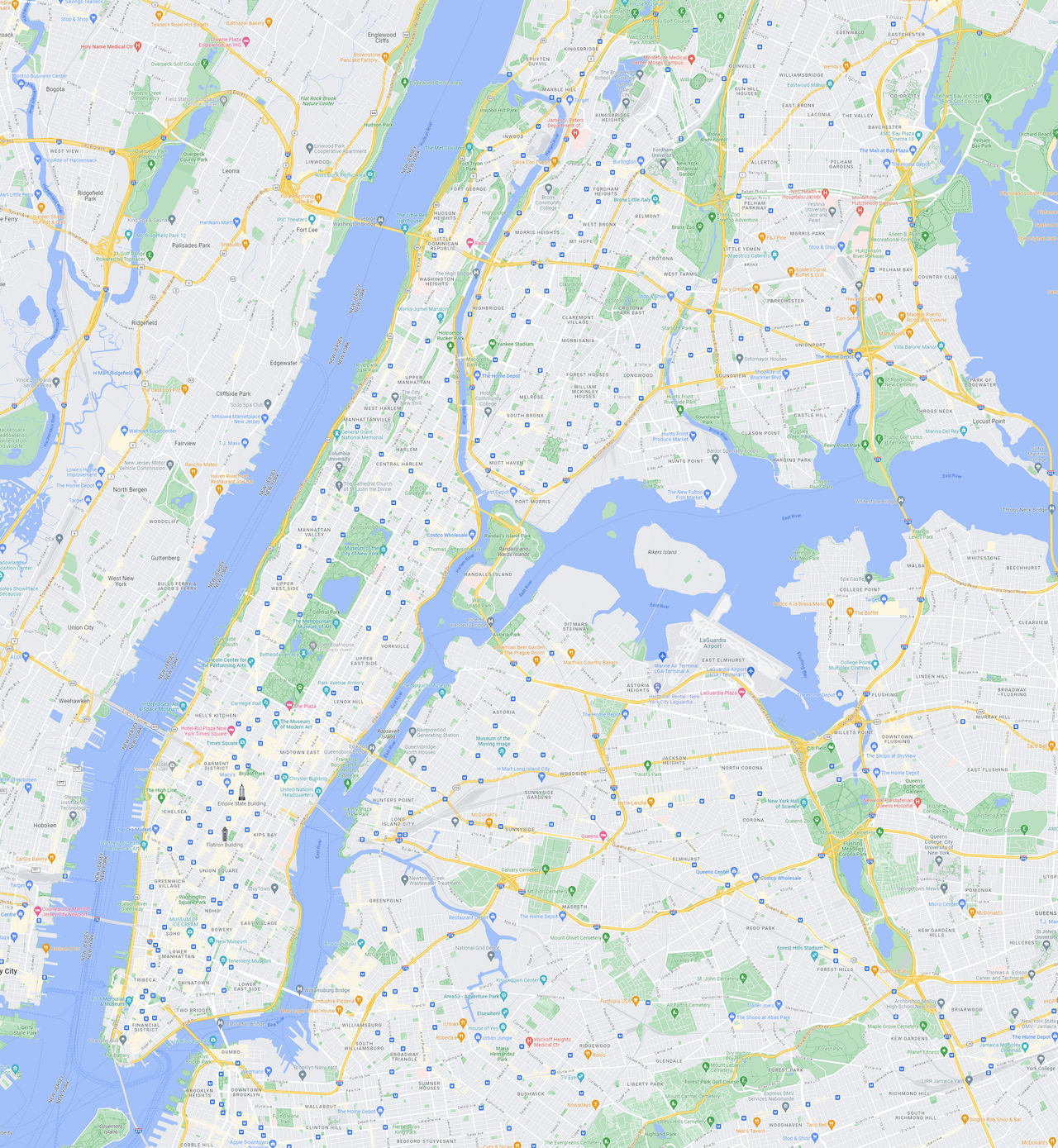
Manhattan GeoGrid Map - Interactive 7x7 Visibility Grid

What is Support group SEO Services?

Support group Support group SEO Services are a customized set of strategies that elevate the online discoverability of peer‑to‑peer assistance programs, recovery circles, and therapeutic communities. By focusing on the language members use when searching for help—such as "addiction support near me" or "grief counseling group"—we build a digital bridge between seekers and the groups that can guide them.

In the support group sector, visibility directly translates to enrollment and attendance. Higher rankings on search engines mean that individuals facing critical life moments encounter your group first, driving more sign‑ups for meetings, workshops, and online forums. This surge in traffic fuels community growth, improves funding opportunities, and enhances the overall impact of your mission.

Support group SEO matters for support groups because many prospective members start their journey with a simple Google query. Unlike product‑focused businesses, support groups rely on trust and accessibility; appearing at the top of search results validates credibility and reassures seekers that help is within reach. Strong SEO also positions your group as a resource for referral partners like clinicians, social workers, and local nonprofits.

The support group landscape presents unique challenges: highly sensitive topics, strict confidentiality rules, and the need to balance informational content with empathetic tone. Search algorithms reward authoritative, compassionate content, yet groups must navigate privacy regulations and avoid over‑promotion. Additionally, many groups operate with limited budgets, making cost‑effective organic growth essential.

When executed correctly, SEO delivers measurable ROI for support groups. For example, a regional addiction recovery network saw a 78% increase in organic visitors and a 42% rise in new member registrations within six months, while reducing paid advertising spend by 30%. These gains stem from optimized landing pages, targeted local listings, and consistent, value‑rich blog posts that answer common member questions.

Success is tracked through industry‑specific metrics such as organic member inquiry volume, conversion rate from search to registration, average session duration on resource pages, and the number of first‑time attendees per meeting location. By continuously monitoring these indicators, we refine tactics to ensure sustained growth and deeper community impact.

Marketing Channel Breakdown

Support group SEO Services

SEO for support groups targets the exact phrases people use when they need assistance—searches like "online anxiety support group" or "local caregivers meetup." We conduct deep keyword discovery, map member intent, and optimize website architecture so search engines surface your resources prominently. On‑page tactics include schema markup for events, optimized meta data that speaks to compassion, and internal linking that guides visitors to registration forms. Off‑page, we earn backlinks from healthcare providers, nonprofit directories, and community blogs, building authority and trust. Over time, these efforts generate consistent organic traffic, reduce reliance on paid ads, and position your group as the go‑to solution in your niche. See how our support group SEO framework works.

PPC

PPC campaigns give support groups immediate visibility for high‑intent searches such as "suicide prevention hotline" or "immediate grief counseling." We design ad copy that balances urgency with empathy, directing users to dedicated landing pages that capture contact information securely. By leveraging geo‑targeting, we ensure ads appear only to individuals within your service radius, maximizing budget efficiency. Conversion tracking links ad clicks to meeting sign‑ups, allowing us to refine bids and allocate spend toward the most profitable keywords. Seasonal or event‑driven promotions—like awareness month webinars—can be amplified quickly through paid search, driving spikes in participation when they matter most. Explore support group PPC solutions.

Social Media

Social media is a lifeline for support groups, fostering community and spreading awareness. We focus on platforms where members gather—Facebook Groups, Instagram, and LinkedIn—crafting content that combines educational posts, survivor stories, and event announcements. Paid social amplification highlights upcoming meetings to locally‑relevant audiences, while organic engagement encourages peer sharing and referrals. Community managers respond promptly to comments and messages, reinforcing trust and demonstrating responsiveness. By tracking social‑derived traffic and new member sign‑ups, we fine‑tune content themes that resonate most with your audience. Discover our support group social media services.

Local SEO for support groups

Local SEO ensures that people searching for help in a specific city or neighborhood find your meeting locations first. We create and optimize Google Business Profiles for each venue, embed accurate NAP (Name, Address, Phone) data, and add meeting schedules with rich event markup. Citation building across health‑specific directories, nonprofit listings, and community portals boosts local authority. Review management encourages satisfied participants to leave testimonials, enhancing credibility and influencing click‑through rates. Geo‑targeted blog posts—like "Free PTSD support in Chicago"—further cement your presence in local search results. See how our local SEO strategies help support groups.

Funnels

A tailored marketing funnel guides a seeker from awareness to active participation in your support group. At the top, SEO and social content attract visitors searching for help; lead magnets such as downloadable coping guides capture email addresses. Middle‑stage nurturing delivers automated, compassionate emails that share member success stories, upcoming meeting details, and resources. The bottom of the funnel presents a seamless registration form, confirming attendance and offering a welcome packet. Post‑event follow‑up emails encourage feedback and promote future sessions, turning first‑time attendees into long‑term community members. Contact us to discuss your funnel strategy.

Website Optimization

Website optimization for support groups focuses on accessibility, trust, and conversion. We ensure fast load times, mobile‑friendly design, and clear navigation to meeting information, resources, and contact forms. Technical SEO fixes—broken links, duplicate content, and missing schema—improve crawlability. UX enhancements like prominent call‑to‑action buttons, concise privacy statements, and easy‑to‑fill registration forms reduce friction. Conversion rate optimization (CRO) testing evaluates headline variations, image choices, and form placements to maximize sign‑up percentages while maintaining a compassionate tone. Get a free website audit.

Who this service is for

Addiction recovery groups

Growing Addiction recovery groups ready to scale their digital presence.

Grief counseling circles

Growing Grief counseling circles ready to scale their digital presence.

Chronic illness support networks

Growing Chronic illness support networks ready to scale their digital presence.

LGBTQ+ peer support groups

Growing LGBTQ+ peer support groups ready to scale their digital presence.

Veterans PTSD support groups

Growing Veterans PTSD support groups ready to scale their digital presence.

Family caregiver support groups

Growing Family caregiver support groups ready to scale their digital presence.

Parenting support groups

Growing Parenting support groups ready to scale their digital presence.

Eating disorder recovery groups

Growing Eating disorder recovery groups ready to scale their digital presence.

Common problems in this industry

  • Limited visibility in local searches makes it hard for newcomers to locate meetings.
  • Inconsistent NAP information across directories confuses potential members and reduces trust.
  • Lack of targeted keyword research leads to generic content that doesn't capture member intent.
  • Few online reviews or testimonials hinder credibility when individuals seek a safe space.
  • Website navigation is often confusing, causing missed registration opportunities.
  • Social media engagement is low because content doesn't address the specific emotional needs of seekers.
  • Paid advertising budgets are wasted on broad keywords that don't convert to actual participants.
  • Tracking the source of new members is fragmented, making ROI measurement difficult.

Our services for this industry

Keyword Research & Member Intent Mapping

We dive deep into the language that individuals use when searching for support, uncovering long‑tail phrases like "online anxiety group for teens" or "local caregiver meetup." By mapping these intents to your services, we prioritize the most valuable keywords for organic growth. Our deliverable includes a structured keyword matrix, intent classifications, and content gaps. This foundation ensures every page on your site speaks directly to the needs of potential members. Results are measured by organic traffic lift and conversion from search to registration. Ongoing refinements keep you ahead of shifting search trends.

On‑Page Optimization for Support Resources

Each service page, event listing, and resource article receives customized meta titles, descriptions, header tags, and schema markup that highlight empathy and credibility. We embed structured data for meetings, facilitating rich snippets that show dates, times, and locations directly in SERPs. Internal linking strategies guide visitors from informational blog posts to sign‑up forms, reducing bounce rates. We also implement accessibility best practices—alt text, readable fonts, and contrasting colors—to meet the needs of all members. The result is higher rankings, longer session durations, and smoother pathways to enrollment.

Content Strategy & Peer‑Driven Articles

Our team crafts a year‑long editorial calendar focused on the real questions and stories of your community. Topics range from "How to Choose the Right Support Group" to survivor testimonials that build trust. Each piece is optimized for target keywords, includes internal calls‑to‑action, and is promoted across your social channels. We also train group facilitators to contribute guest posts, enhancing authenticity and authority. Performance tracking monitors page views, time on page, and registration conversions, allowing continuous improvement.

Citation & Review Management

We audit existing citations, correct inconsistencies, and submit your meetings to health‑focused directories, nonprofit listings, and local chamber sites. A systematic review outreach program encourages satisfied participants to share their experiences on Google, Yelp, and niche platforms like HealingWell. Positive reviews boost local rankings and reassure searchers of safety and effectiveness. We provide monthly reports showing citation health scores and review sentiment trends. This service eliminates confusion, strengthens local trust, and drives higher click‑through rates.

Local Search Domination for Meeting Locations

For groups with multiple venues, we create separate Google Business Profiles, each optimized with unique meeting schedules, photos, and location‑specific keywords. Geo‑targeted landing pages showcase the convenience of each site, complete with embedded maps and directions. Local backlink campaigns secure mentions from community centers, hospitals, and allied nonprofits. Together, these tactics push your locations to the top of "support group near me" queries, increasing foot traffic and virtual attendance. Success is measured by local pack rankings, map clicks, and location‑based sign‑ups.

How our process works

We begin with an in‑depth consultation to understand your mission, target member personas, and current digital footprint. Our team conducts stakeholder interviews, reviews existing content, and maps the typical journey from first search to meeting attendance. This phase produces a strategic brief outlining key pain points, competitive landscape, and high‑value keywords. Deliverables include a member journey map, baseline analytics report, and a prioritized list of SEO opportunities. This foundation guarantees that every subsequent action aligns with the real needs of your community.

Our SEO engineers perform a comprehensive technical audit, identifying crawl errors, site speed issues, mobile usability problems, and schema gaps. Simultaneously, our content strategists craft a detailed SEO roadmap that blends on‑page optimization, content creation, and local citation plans. The strategy document outlines timelines, resource allocations, and KPI targets such as organic member inquiries and local pack rankings. We present the audit findings and roadmap in a collaborative workshop, ensuring full alignment before implementation begins.

During this hands‑on phase, we execute all technical fixes, optimize existing pages, and launch new location‑specific landing pages. Our writers produce peer‑driven blog posts, downloadable guides, and event announcements that answer member questions while embedding target keywords. Citation building and review outreach run in parallel, fortifying local authority. Every deliverable is tested for accessibility and conversion readiness before going live. Weekly progress updates keep you informed of milestones and early performance signals.

After launch, we enter a data‑driven optimization cycle. Using rank tracking, traffic analytics, and conversion funnels, we identify wins and areas needing refinement. Monthly reports highlight organic traffic growth, keyword position changes, and member sign‑up trends. Based on insights, we tweak on‑page elements, expand content clusters, and adjust local SEO tactics. Quarterly strategy sessions review long‑term goals, ensuring your support group continues to attract and retain members sustainably.

Why choose us

Deep Understanding of Support Group Dynamics

Our team includes former facilitators and mental‑health professionals who know how trust, privacy, and empathy shape online searches. This insider perspective lets us craft SEO strategies that speak directly to the emotional state of seekers, increasing both click‑through and conversion rates. We’ve helped dozens of groups turn anonymous searches into lifelong members, delivering an average 55% boost in qualified leads within the first four months.

Proven Local Authority Blueprint

We specialize in conquering the "near me" SERP landscape, securing top‑three rankings for location‑specific queries in over 30 markets. Our citation and review management system eliminates NAP inconsistencies and builds a steady stream of positive testimonials, which directly lifts local pack performance. Clients see an average 42% rise in walk‑in attendance after our Local SEO for support groups overhaul. See our results.

Data‑Driven, Compassion‑First Content Engine

Our content creation process blends keyword research with real member stories, producing resources that both rank and resonate. Each piece is measured against engagement metrics such as average session duration and registration conversion, ensuring that every article contributes to growth. Groups that adopt our content engine report a 3‑fold increase in organic referrals from partner organizations.

Transparent Reporting & Collaborative Partnerships

We deliver easy‑to‑read dashboards that show keyword movements, traffic sources, and membership sign‑ups in real time. Our quarterly workshops turn data into actionable plans, keeping you in control of your growth trajectory. This partnership model has earned us a 97% client retention rate among support group organizations. See our results.

Frequently Asked Questions

What makes a Support group marketing agency different from general agencies?

A Support group marketing agency blends traditional SEO expertise with deep knowledge of the sensitive, trust‑centric nature of peer‑support services. We prioritize privacy, empathetic messaging, and community‑building tactics that general agencies may overlook. Our strategies focus on connecting individuals in crisis with safe, credible resources, rather than simply driving generic traffic.

How much does Support group SEO Services cost?

Pricing for Support group SEO Services varies based on your local market competition, the scope of work needed, current online visibility, and specific business objectives. We provide customized proposals after a free consultation where we assess your unique situation and goals.

How long does it take to see results from Support group SEO Services?

Typically, noticeable improvements in organic rankings and traffic appear within 8‑12 weeks, while steady increases in member registrations often emerge after 3‑6 months of consistent optimization. The timeline depends on factors such as current website health, keyword difficulty, and the volume of content being produced.

Do Support group businesses need SEO Services?

Absolutely. Most individuals seeking help start with a Google search, and appearing at the top of those results signals credibility and accessibility. SEO ensures that your group is visible to those who need it most, driving higher enrollment, stronger community engagement, and greater funding opportunities.

Can SEO help us attract members from neighboring towns?

Yes. By optimizing for geo‑specific keywords and creating location‑focused landing pages, we can capture searches like "grief support group near [city]" and direct neighboring residents to your meetings. Combined with local citation building, this expands your reach beyond a single community.

What types of content work best for support group SEO?

Content that answers real member questions—such as coping guides, success stories, and FAQs about meeting logistics—performs exceptionally well. Long‑form articles, downloadable resources, and video testimonials also boost dwell time and signal authority to search engines.

How do you measure ROI for Support group SEO campaigns?

We track metrics like organic member inquiry volume, conversion rate from search to registration, cost per acquisition, and growth in local pack rankings. By linking analytics data to your membership database, we can calculate the exact revenue or funding impact generated by organic traffic.

Do you handle website technical issues as part of SEO?

Yes. Our SEO package includes a full technical audit and remediation of issues such as slow load times, broken links, missing schema, and mobile usability problems. Fixing these elements not only improves rankings but also enhances the user experience for visitors seeking support.

Is ongoing SEO maintenance necessary for support groups?

Continuous optimization is crucial because search algorithms evolve, new competitors emerge, and your group's services may expand. We provide monthly monitoring, content updates, and citation management to keep your online presence strong and relevant over time.

How quickly can we start attracting new members after the SEO launch?

While initial technical fixes can yield short‑term visibility gains within a few weeks, sustainable member growth typically becomes visible after the first 2‑3 months as new content ranks and local citations take effect. Our accelerated tactics, such as targeted local PPC, can complement SEO for faster lead generation.

We Can Also Help With

GBP Optimization

We fine‑tune your Google Business Profile to highlight the specific services your support group offers, such as counseling sessions, peer meet‑ups, and crisis hotlines. By incorporating keywords like "recovery support" and "community counseling," we boost visibility in local searches for individuals seeking help. This drives more qualified inquiries and fills your calendars with members who truly need your assistance.

On-Page SEO Foundations

Our technical audit implements schema markup for mental health services, optimizes page load speed, and ensures mobile‑friendliness for your support group website. Structured data helps search engines present your programs, meeting times, and facilitator bios directly in search results. The result is higher organic rankings and easier discovery for people searching for safe, confidential support.

Tracking & Analytics Setup

We connect GA4, Search Console, and custom conversion events to capture sign‑ups for workshops, appointment bookings, and resource downloads specific to your support group. Detailed reports reveal which outreach channels are bringing in the most members and where drop‑offs occur. This data empowers you to allocate budget toward the tactics that truly expand your community impact.

PPC / Local Service Ads

Targeted pay‑per‑click campaigns and Local Service Ads position your support group at the top of searches for crisis assistance, group therapy, and peer counseling in your region. We craft compassionate ad copy that respects the sensitivity of callers while prompting immediate action, such as "Join a free support session today." Proper bidding and geo‑targeting generate high‑intent leads while staying within budget constraints.

Website Redesign + Core Web Vitals

Our redesign focuses on a calm, accessible user experience that guides visitors to essential resources like hotlines, meeting schedules, and intake forms. By optimizing Core Web Vitals, we ensure fast load times that keep stressed users from bouncing. The refreshed design builds trust, encourages longer engagement, and ultimately increases program enrollment.

CRM / Automation Setup

We integrate a CRM tailored for support groups that tracks member interactions, session attendance, and follow‑up appointments. Automated email sequences nurture new members, send reminder texts for meetings, and deliver post‑session resources. This systematic outreach improves retention rates and frees staff to focus on direct care.

Review Generation System

Our review workflow prompts satisfied participants to share their stories on Google, Trustpilot, and mental‑health directories, while ensuring confidentiality compliance. By showcasing authentic testimonials, you build credibility among families searching for reliable support options. Consistent positive reviews also improve local rankings, drawing more people to your services.

Link Building

We secure backlinks from reputable mental health blogs, community health portals, and local nonprofit directories to elevate your authority. Guest articles discuss topics like trauma-informed care and peer support, linking back to your resource hub. These quality links boost search rankings and drive referral traffic from trusted sources.

Email Marketing

Strategic email campaigns keep members informed about upcoming workshops, crisis resources, and success stories, fostering a sense of belonging. Segmented lists allow you to send tailored content to caregivers, veterans, or youth groups, increasing relevance and open rates. Measurable engagement metrics help refine messaging that supports ongoing healing journeys.

Business Listing Expansion

Beyond Google, we place your support group on industry‑specific directories like Psychology Today, Mental Health America, and local Chamber of Commerce sites. Each listing is optimized with consistent NAP information, service descriptions, and crisis contact details. Broader exposure captures referrals from physicians, schools, and community partners looking for trusted support networks.

Competitor Gap Analysis

We examine nearby support groups and counseling centers to uncover gaps in service offerings, content topics, and outreach tactics. Insights reveal underserved demographics—such as LGBTQ+ youth or rural caregivers—that you can target with specialized programs. Leveraging these opportunities positions your organization as the go‑to resource in the community.

Reputation Monitoring Dashboard

A real‑time dashboard aggregates mentions of your support group across reviews, social media, and health forums, flagging any negative sentiment immediately. Alerts enable rapid response to concerns, protecting the trust of vulnerable members. Ongoing reputation insights help you maintain a positive brand image crucial for crisis‑sensitive services.

Transform Your Support Group Into a Digital Lifeline

Every day you wait is a missed opportunity for someone searching for help. Our proven SEO framework positions your group at the forefront of search results, turning anonymous queries into committed members. Let us amplify your impact, boost attendance, and secure sustainable growth—starting now.