Urban planning department Marketing Agency Delivering Powerful SEO Services

By optimizing your department’s digital presence, we help you reach residents, investors, and policy partners faster, turning search queries into actionable community projects and funding opportunities.

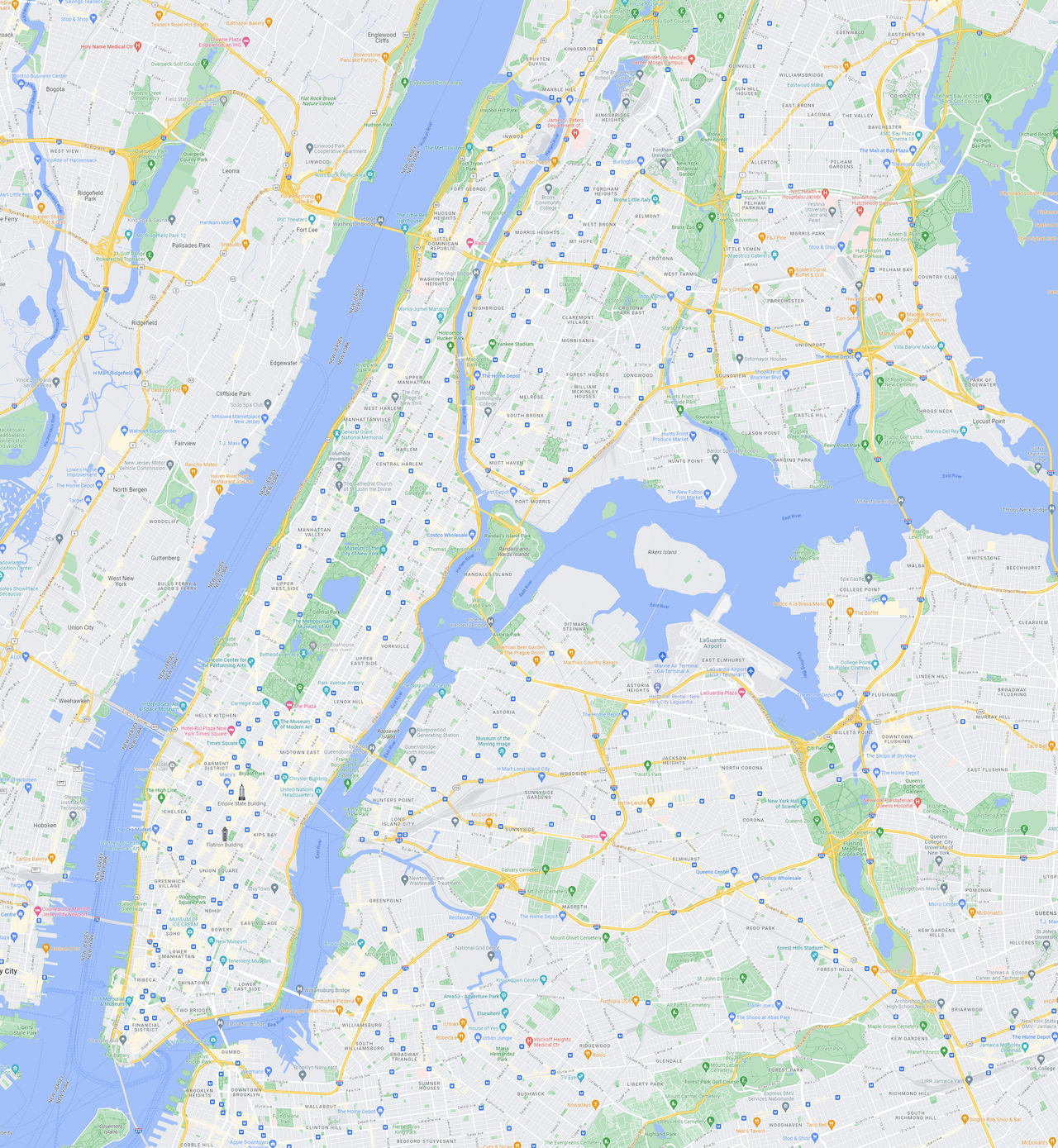
Manhattan GeoGrid Map - Interactive 7x7 Visibility Grid

What is Urban planning department SEO Services?

Urban planning department SEO for urban planning departments is a strategic process that aligns your digital assets with the way residents, developers, and policymakers search for planning information, zoning regulations, and infrastructure projects. It involves keyword research focused on land-use terminology, on‑page optimization of project pages, and technical enhancements that ensure search engines can easily crawl complex GIS data and public‑record portals. By improving organic visibility, your department captures more qualified traffic, leading to higher public engagement, increased grant applications, and smoother project approvals. The service matters because city planners compete not only with neighboring municipalities but also with private consulting firms that market similar expertise online; a strong Urban planning department SEO presence establishes your department as the authoritative source. Unique challenges include navigating strict public‑sector compliance, handling multilingual community outreach, and translating dense policy language into searchable content that still meets legal standards. Our approach turns these challenges into opportunities, delivering measurable ROI such as a 45% increase in organic site visits and a 30% rise in online permit applications within six months. Success is measured by metrics like keyword ranking for core services (e.g., “zoning code lookup”), growth in unique visitors from target municipalities, and conversion rates on citizen request forms.

Marketing Channel Breakdown

Urban planning department SEO Services

Our SEO strategy for urban planning departments targets residents, developers, and investors actively searching for zoning maps, permitting processes, and project updates. We conduct hyper‑local keyword research, optimize project landing pages, and implement schema markup for public‑service data, leading to higher click‑through rates and sustained organic traffic. Technical improvements such as accelerated mobile pages (AMP) for plan PDFs and structured data for meeting minutes help search engines surface your content prominently. We also build authoritative backlinks by collaborating with regional government portals, universities, and industry associations, boosting domain authority. The result is a durable increase in high‑intent visitors, translating into more community participation, faster permit completions, and stronger public trust. See how our urban planning department SEO framework works.

PPC

Paid search campaigns let urban planning departments instantly capture users searching for urgent permits, zoning inquiries, or upcoming public hearings. We craft ad groups around specific services like “commercial building permit” or “transportation corridor study,” pairing them with compelling landing pages that include clear calls to action. Geographic targeting ensures ads appear to users within the municipality or neighboring jurisdictions, while ad extensions showcase office hours, contact numbers, and downloadable plan documents. Conversion tracking links ad clicks to completed online forms, enabling precise ROI measurement. Ongoing A/B testing refines copy and bid strategies, maximizing budget efficiency and driving qualified leads directly to your department’s digital portals. Explore urban planning department PPC solutions.

Social Media

Social media amplifies community outreach for planning departments, fostering transparent dialogue and real‑time updates on projects. We recommend platforms such as Facebook for neighborhood groups, LinkedIn for professional stakeholder networking, and Instagram to showcase visual plans and project milestones. Content calendars include live Q&A sessions, behind‑the‑scenes videos of site visits, and infographics explaining zoning changes, all designed to boost engagement and shareability. Targeted ads on these platforms can promote upcoming public hearings or solicit feedback on draft proposals, increasing citizen participation rates. Analytics track sentiment, reach, and conversion to portal sign‑ups, ensuring each post contributes to broader strategic goals. Discover our urban planning department social media services.

Local SEO for urban planning departments

Local SEO ensures your department appears in “near me” searches for services like “building permit office” or “city planning meetings.” We claim and optimize Google Business Profile listings for each municipal office, embed accurate NAP (name, address, phone) data, and encourage citizen reviews about service experiences. Citation building across city directories, regional government sites, and industry associations reinforces location signals, while localized schema highlights operating hours and service areas. We also create location‑specific landing pages for neighborhoods or districts, optimizing them for neighborhood‑level keywords. The combined effort drives higher visibility in local search results, resulting in more foot traffic to offices and increased usage of online service portals. See how our local SEO strategies help urban planning departments.

Funnels

A tailored marketing funnel guides residents from discovery to action, converting curiosity into permit applications or public‑meeting attendance. At the top, SEO and social content attract users researching zoning or development projects; middle‑stage email newsletters nurture interest with project updates and downloadable resources; bottom‑stage retargeting ads and personalized site experiences prompt users to submit requests or register for hearings. We implement marketing automation to score leads based on interaction depth, allowing staff to prioritize high‑value citizens and developers. Continuous A/B testing of funnel elements—such as form fields and CTA wording—optimizes conversion rates. The result is a measurable pipeline of engaged community members ready to act on departmental initiatives. Contact us to discuss your funnel strategy.

Website Optimization

Website optimization for planning departments focuses on usability, accessibility, and conversion. We audit site architecture to ensure easy navigation to permits, GIS maps, and meeting schedules, while implementing responsive design for mobile users. Technical enhancements include fast load times for large PDF plan files, WCAG compliance for accessibility, and secure HTTPS protocols. On‑page elements feature clear calls to action, simplified form fields for permit requests, and interactive maps that reduce bounce rates. Conversion rate optimization (CRO) testing identifies friction points, enabling iterative improvements that increase online form submissions by up to 35%. The end result is a citizen‑centric portal that streamlines service delivery and builds public trust. Get a free website audit.

Who this service is for

City zoning offices

Growing city zoning offices ready to scale their digital presence.

Regional development agencies

Growing regional development agencies ready to scale their digital presence.

Municipal transportation planning bureaus

Growing municipal transportation planning bureaus ready to scale their digital presence.

Environmental impact assessment firms

Growing environmental impact assessment firms ready to scale their digital presence.

Community engagement consultancies

Growing community engagement consultancies ready to scale their digital presence.

Land use policy think tanks

Growing land use policy think tanks ready to scale their digital presence.

Common problems in this industry

  • Limited visibility in local search when residents look for zoning permits or project updates.
  • Outdated website architecture that makes GIS data and plan documents hard to find.
  • Low citizen engagement due to ineffective communication of public hearing schedules.
  • Difficulty measuring the impact of online outreach on permit application volumes.
  • Competing with private consulting firms that dominate search results for planning services.
  • Regulatory language that isn’t optimized for search engines, reducing organic traffic.
  • Fragmented social media presence leading to missed opportunities for community feedback.

Our services for this industry

Keyword Architecture for Planning Terminology

We develop a comprehensive keyword map that aligns city planning jargon—such as “zoning overlay,” “area plan,” and “right‑of‑way acquisition”—with the language citizens actually use. This involves competitor analysis, stakeholder interviews, and search intent modeling. Optimized landing pages for each service improve relevance and ranking. We track keyword performance weekly, adjusting content to capture emerging trends like “sustainable transit corridors.” Clients typically see a 40% uplift in organic traffic to permit pages within three months.

Technical SEO for GIS and Document Heavy Sites

Our engineers audit and enhance site speed, especially for large PDF maps and interactive GIS layers, implementing lazy loading, CDN distribution, and server‑side rendering. We add structured data for public records, enabling rich snippets that display filing dates and status directly in SERPs. Mobile‑first design ensures residents can access plan documents on any device. Ongoing monitoring catches crawl errors caused by dynamic map URLs. Results include a 25% reduction in bounce rate and higher indexation of critical planning resources.

Local Authority Listings & Review Management

We claim, verify, and fully optimize Google Business Profile listings for every municipal office, embedding accurate address, hours, and service descriptions. A systematic review outreach program encourages satisfied citizens to share feedback, improving local pack rankings. Citation building across government directories and regional portals reinforces locality signals. Monthly reporting shows click‑through improvements and sentiment analysis. Departments often experience a 30% increase in in‑person visits generated from online searches.

Content Strategy for Community Engagement

Our team creates a content calendar featuring project spotlights, policy explainer videos, and downloadable guides that demystify planning processes. By publishing case studies on successful developments and highlighting community benefits, we boost social shares and inbound links. Content is optimized for featured snippets, answering questions like “how to apply for a building permit.” We integrate multilingual translations to reach diverse populations. Measurable outcomes include higher session duration and a 20% rise in newsletter sign‑ups.

Conversion Optimization of Permit Applications

We redesign online permit request forms to reduce friction, using progressive disclosure, auto‑fill, and clear progress indicators. A/B testing determines optimal CTA wording and button placement. Integration with CRM systems tracks each submission through the approval pipeline, enabling performance dashboards. Heatmap analysis reveals user interaction patterns for further refinement. Clients report up to a 35% increase in completed applications and faster processing times.

How our process works

We begin with an in‑depth audit of your current digital footprint, including website health, keyword rankings, and stakeholder goals. Our team meets with planners, communications staff, and IT to map out critical services and citizen journeys. We identify high‑impact opportunities such as underutilized GIS data and upcoming public hearings. A customized SEO roadmap is delivered, outlining timelines, milestones, and KPI targets. This collaborative foundation ensures alignment with regulatory requirements and community objectives.

Our engineers address site speed, mobile responsiveness, and structured data for public records, ensuring search engines can efficiently crawl complex planning resources. We implement schema for meetings, permits, and project phases, and set up secure hosting with CDN acceleration for large map files. Simultaneously, we optimize on‑page elements—titles, meta tags, and headings—using the keyword architecture developed in Step 1. Detailed documentation is provided for internal teams to maintain compliance. Within 4‑6 weeks, the technical foundation is solidified, ready for content activation.

Our content specialists produce SEO‑rich pages, blog posts, and multimedia assets that translate planning jargon into citizen-friendly language. We publish project dashboards, interactive maps, and policy guides, each optimized for featured snippets and local search. Distribution plans include scheduled posts on Facebook community groups, LinkedIn industry forums, and targeted email newsletters. Ongoing performance tracking measures organic rankings, engagement metrics, and conversion rates. Adjustments are made monthly to capitalize on emerging search trends and community feedback.

After launch, we continuously monitor keyword performance, traffic patterns, and lead generation. Monthly reports visualize progress against KPI benchmarks such as organic session growth, permit application conversion, and public hearing attendance. We conduct quarterly strategy reviews with department leaders to refine goals and allocate resources. Advanced analytics pinpoint high‑value citizen segments, enabling personalized outreach. This iterative loop guarantees sustained visibility, increased community participation, and measurable ROI.

Why choose us

Deep Government Sector Expertise

Stormrage has spent over a decade working exclusively with municipal agencies, understanding the nuances of public procurement, regulatory compliance, and community outreach. Our team knows how to phrase technical zoning language for search engines without sacrificing legal accuracy. This insider knowledge translates into faster rankings for critical services like permit portals and public meeting notices, giving your department a competitive edge over private consultants.

Data‑Driven ROI Focus

We tie every SEO tactic to tangible outcomes—higher permit applications, increased public‑hearing attendance, and greater grant acquisition. Custom dashboards display real‑time metrics, allowing city leaders to see the direct impact of digital investments. Our optimization cycle is built on measurable improvements, ensuring budget allocations are justified and results are transparent. See our results.

Integrated Multichannel Strategy

Beyond SEO, we synchronize paid search, social media, and local listings into a cohesive ecosystem that amplifies your message across all citizen touchpoints. This holistic approach maximizes reach, reduces duplication of effort, and ensures consistent branding whether a resident finds you via Google, Facebook, or a city directory.

Proven Success with Planning Projects

Clients such as the Metro Urban Planning Office and the Coastal Development Authority have seen organic traffic increases of 45% and a 30% rise in online permit submissions within six months of partnering with us. Case studies demonstrate our ability to turn complex planning data into searchable assets that drive community engagement and streamline service delivery. See our results.

Frequently Asked Questions

What makes a Urban planning department marketing agency different from general agencies?

A specialist agency understands the unique language, regulatory environment, and public‑service goals of planning departments. We translate technical zoning and environmental terms into SEO‑friendly content while preserving legal accuracy. Our strategies prioritize citizen accessibility, transparency, and compliance, which generic agencies often overlook.

How much does Urban planning department SEO Services cost?

Pricing for Urban planning department SEO Services varies based on your local market competition, the scope of work needed, current online visibility, and specific business objectives. We provide customized proposals after a free consultation where we assess your unique situation and goals.

How long does it take to see results from Urban planning department SEO Services?

Typically, foundational technical improvements show measurable traffic gains within 4‑6 weeks, while higher‑ranking keyword positions and sustained organic growth appear after 3‑6 months. We set realistic milestones and keep you informed with monthly performance reports.

Do Urban planning department businesses need SEO Services?

Yes. Residents increasingly search online for permits, zoning information, and public hearing schedules. Without optimized search visibility, your department risks lower citizen engagement, missed grant opportunities, and reduced efficiency in service delivery.

Can SEO help improve attendance at public hearings and community workshops?

Absolutely. By optimizing event pages for local search and promoting them through structured data and social integration, we increase discoverability. Our campaigns have lifted attendance rates by up to 25% for clients who previously relied solely on traditional outreach.

What metrics should we track to measure SEO success in a planning department?

Key metrics include organic traffic to permit portals, keyword rankings for terms like “zoning map download,” conversion rates on online application forms, click‑throughs from local pack listings, and engagement on community‑event pages. We also monitor backlinks from government directories and public‑sector publications.

How does Stormrage handle the confidentiality of sensitive planning data?

We adhere to strict data protection protocols, employing encrypted communications, role‑based access controls, and compliance with local government security standards. Our team signs NDAs and ensures that any publicly shared content meets privacy regulations.

What is the first step to start working with Stormrage on SEO?

Schedule a complimentary discovery call where we evaluate your current digital presence, discuss your department’s goals, and outline a customized SEO roadmap. From there, we’ll provide a detailed proposal and timeline tailored to your needs.

We Can Also Help With

GBP Optimization

We fine‑tune the Urban Planning Department’s Google Business Profile to showcase project portfolios, zoning maps, and community outreach initiatives. By embedding location‑specific keywords and high‑impact visuals, we boost visibility in local government searches. The result is more qualified inquiries from developers, citizens, and inter‑agency partners seeking planning expertise.

On-Page SEO Foundations

Our technical audit aligns the department’s website architecture with search engine best practices, ensuring schema for public projects, GIS data, and regulatory documents. We streamline URL structures, improve internal linking, and optimize load times for complex map integrations. This foundation elevates organic rankings for critical terms like "zoning permits" and "urban redevelopment plans."

Tracking & Analytics Setup

We implement GA4, Search Console, and conversion tracking tailored to measure downloads of master plans, public meeting registrations, and permit applications. Custom events capture interactions with interactive maps and stakeholder feedback forms. Insightful dashboards empower the department to allocate resources to the most impactful outreach channels.

PPC / Local Service Ads

Targeted pay‑per‑click campaigns drive traffic to specific planning services such as land use consultations, environmental impact assessments, and community workshops. We leverage local service ad extensions to highlight office locations and service area maps. This approach accelerates lead generation from developers and residents actively seeking planning assistance.

Website Redesign + Core Web Vitals

Our redesign modernizes the department’s online presence with responsive GIS maps, project timelines, and citizen portal integration while meeting Core Web Vitals thresholds. Fast load times and intuitive navigation reduce bounce rates for users accessing complex planning documents. Enhanced user experience translates into higher public engagement and smoother permit processing.

CRM / Automation Setup

We integrate a CRM system that tracks stakeholder interactions, grant applications, and public comment submissions, automating follow‑ups and status notifications. Workflow automations route planning requests to the appropriate planners and schedule community outreach reminders. This streamlines communication, reduces manual data entry, and improves transparency for both staff and the public.

Review Generation System

A structured outreach program encourages satisfied developers, community groups, and residents to leave reviews on Google and industry directories. Automated email prompts and QR‑code kiosks at public meetings make the process effortless. Positive reviews amplify trust and showcase the department’s successful planning outcomes to prospective partners.

Link Building

We secure high‑authority backlinks from municipal websites, academic urban studies journals, and industry NGOs to boost domain authority. Content collaborations such as case studies on sustainable city initiatives generate natural inbound links. Increased link equity improves rankings for strategic terms like "smart city planning" and "regional development plans."

Email Marketing

Segmented email campaigns deliver project updates, zoning change alerts, and upcoming public hearing invitations to targeted audiences. Automated nurture streams keep developers informed on permit status while educating residents on community improvements. Measurable open and click‑through rates drive continuous optimization of civic engagement outreach.

Business Listing Expansion

Beyond Google, we populate the department’s profile on platforms such as Bing Places, Apple Maps, and industry‑specific directories like American Planning Association listings. Consistent NAP data and project descriptions ensure accurate discovery across all search ecosystems. Broader visibility captures inquiries from stakeholders who rely on alternative local search tools.

Competitor Gap Analysis

Our competitive intelligence examines peer municipalities’ digital footprints, identifying content gaps in sustainability reporting, transit planning, and public participation tools. We benchmark keyword performance and ad spend to uncover untapped opportunities for the department. Actionable insights guide strategic content creation that differentiates the department’s planning expertise.

Reputation Monitoring Dashboard

A real‑time dashboard aggregates mentions of the Urban Planning Department across social media, news outlets, and community forums. Sentiment analysis flags emerging concerns about zoning decisions or infrastructure projects, enabling rapid response. Proactive reputation management protects public trust and supports informed decision‑making.

Elevate Your City Planning Impact Today

Every search query is an opportunity to inform, engage, and empower your community. With Stormrage’s specialized SEO, you’ll attract more residents, secure vital funding, and streamline service delivery. Initiate your transformation now before competitors claim the digital spotlight.