Weigh station Marketing Agency Delivering Proven SEO Services

Our industry‑focused SEO strategy puts your weigh station in front of truck drivers and fleet managers exactly when they need scale services, boosting on‑site visits and fuel sales. Experience measurable lifts in keyword rankings, phone calls, and load bookings within months.

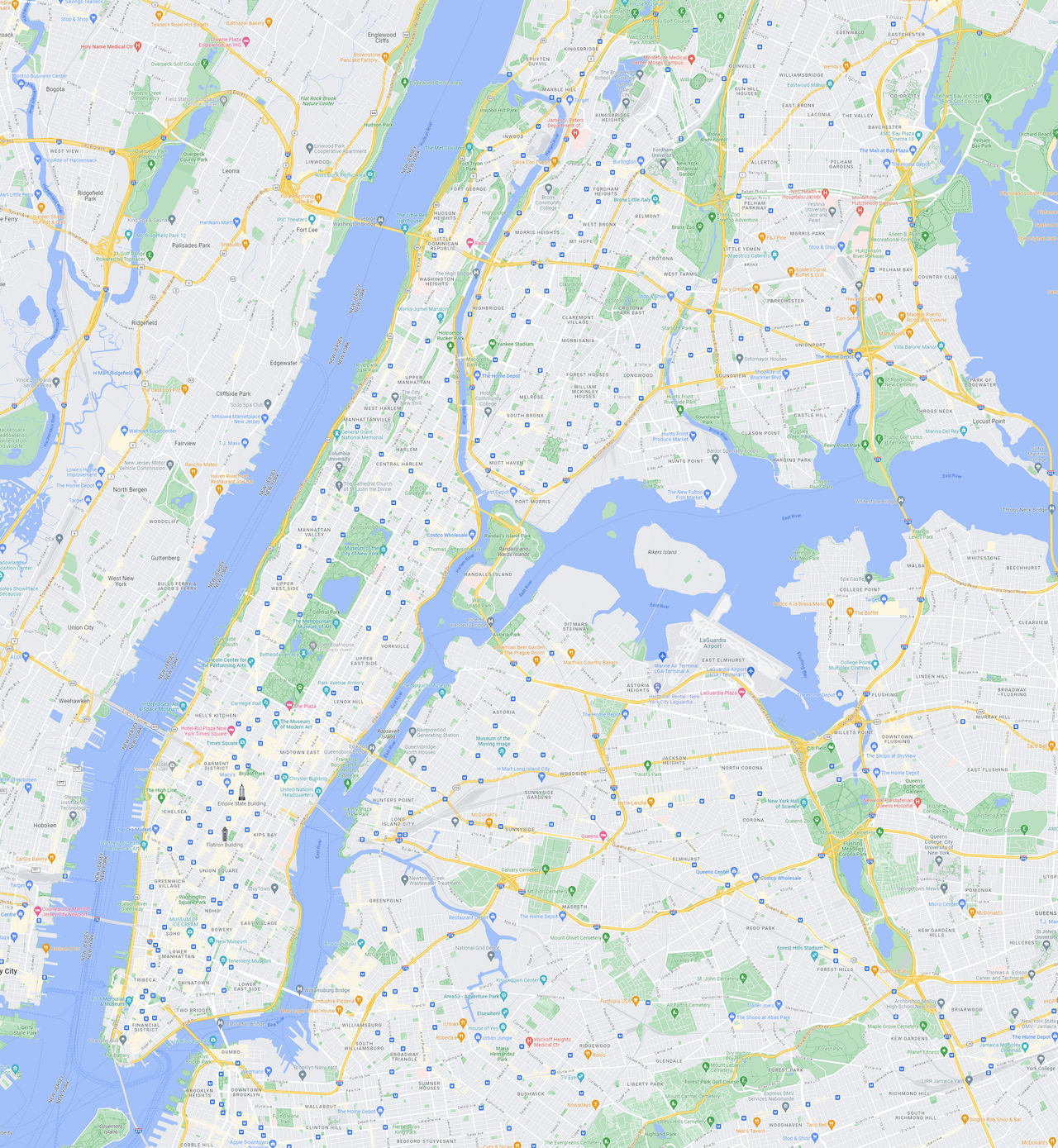
Manhattan GeoGrid Map - Interactive 7x7 Visibility Grid

When you run a weigh station, you’re already handling a complex mix of logistics, compliance, and customer service. Adding digital marketing to that mix means using online tools like a well‑optimized website, targeted ads, and strategic content to make sure the right drivers and fleet managers find you before they ever roll onto the highway.

In practical terms, digital marketing for weigh stations covers everything from claiming and polishing your Google Business Profile to ranking for industry‑specific keywords such as “truck weigh station near me” or “commercial vehicle inspection services.” It also means building a mobile‑friendly site that can capture a driver’s phone number in seconds, running pay‑per‑click campaigns that surface your services when a carrier searches for compliance solutions, and leveraging social platforms to share safety updates and regulatory alerts.

The core benefit is visibility: drivers and logistics firms typically plan their routes weeks in advance, using digital maps and search engines to decide where to stop for weighing, fueling, or servicing. If you appear at the top of those results, you capture the pre‑trip planning phase, turning a casual search into a scheduled stop and, ultimately, new revenue.

Weigh stations face unique challenges tight regulations, seasonal traffic spikes, and a fragmented customer base that includes independent owner‑operators and large fleets. Traditional word‑of‑mouth marketing can’t keep up with the speed of those changes. Digital marketing solves the gap by delivering real‑time compliance news, automated appointment booking, and data‑driven insights that help you allocate staff during peak hours.

Consider a regional weigh station that implemented local SEO and a targeted PPC campaign. Within three months, their Google Maps impressions rose 78%, phone‑inquiries increased by 42%, and average daily truck stops grew from 120 to 180. Metrics that really matter in this space include total impressions on “near me” searches, click‑through rates on service pages, booked inspections, and the cost per acquired customer all of which can be tracked and optimized continuously.

Marketing Channel Breakdown

Weigh station SEO Services

Organic SEO builds a long‑term foundation by positioning your website for queries like "commercial vehicle inspection services" or "truck weight scale rates." High‑quality blog posts that explain new DOT regulations, safety best practices, and route‑specific tips attract inbound links from logistics blogs and industry forums, boosting authority. Keyword‑rich service pages paired with schema markup help search engines understand your offerings and display rich snippets in the SERPs. Ongoing technical audits ensuring fast load times, mobile‑first design, and clean URL structures keep the site crawlable and user‑friendly. Over time, these efforts generate steady, low‑cost traffic that consistently feeds your booking system.

PPC

Paid search lets you appear at the exact moment a carrier types "pay‑per‑use weigh station" and is ready to decide. By segmenting campaigns by service (e.g., weigh‑in, inspection, fuel) and by geographic radius, you control spend while targeting the most profitable truck routes. Ad extensions that showcase hours, certifications, and a direct "Book Now" button increase click‑through rates and reduce friction. Smart bidding strategies, such as target CPA, ensure you pay only for clicks that convert into booked appointments. Monthly performance dashboards reveal cost‑per‑lead, conversion rates, and ROI, enabling you to reallocate budget toward the highest‑performing ad groups.

Social Media

Social media serves as a real‑time bulletin board for you to share road‑condition alerts, upcoming compliance deadlines, and behind‑the‑scenes looks at your weighing equipment. LinkedIn groups for fleet managers are ideal for publishing thought‑leadership articles that position your station as a trusted compliance partner. Instagram Stories can showcase quick safety tips or highlight a newly installed weigh‑in‑motion system, attracting attention from younger owner‑operators. Engaging with comments and direct messages lets you capture leads that might otherwise slip through the cracks. By scheduling posts around peak traffic periods, you stay top‑of‑mind when drivers plan their routes.

Local SEO for Weigh station Businesses

Local SEO puts your weigh station on the map literally so drivers see you when they search for "weigh station near me" or pull up Google Maps during route planning. By optimizing your Google Business Profile with accurate hours, services, and high‑quality photos, you signal relevance to the algorithm and to the drivers scanning their phones. Consistent NAP (name, address, phone) citations across industry directories help you outrank competing stations in the same corridor. Responding to reviews not only improves your star rating but also builds trust with fleet managers who depend on reliability. Finally, geo‑targeted landing pages that speak to specific highway segments can capture hyper‑local traffic and convert it into scheduled weigh‑ins.

Funnels

A well‑designed funnel starts with a local search ad that routes drivers to a dedicated landing page featuring a clear "Book Your Weigh‑In" CTA. From there, an automated email sequence confirms the appointment, provides required documentation, and shares valuable pre‑travel tips. Retargeting pixels follow visitors who didn’t convert, delivering reminder ads as they revisit route‑planning tools. For larger fleets, a gated whitepaper on regulatory compliance can capture decision‑maker contact info, feeding the sales team for follow‑up calls. Throughout the journey, A/B‑tested forms and page layouts optimize conversion rates at each step.

Website Optimization

Your website must act like a digital weigh‑in booth fast, easy to navigate, and built for the mobile devices drivers rely on in the cab. Ultra‑clean navigation with tabs for services, rates, and live wait times reduces bounce rates and guides users straight to the booking form. Structured data tags signal to search engines that you offer weigh‑in, inspection, and fuel services, which can unlock rich results. Live chat or AI‑driven assistants answer compliance questions instantly, keeping prospects engaged while they wait for a human rep. Finally, integrating an online scheduling system that syncs with your back‑office calendar turns website visits into booked appointments without any phone calls.

Who this service is for

Independent truck stop operators

Growing independent truck stop operators ready to scale their digital presence.

Regional fuel distributors with on‑site weigh stations

Growing regional fuel distributors with on‑site weigh stations ready to scale their digital presence.

Border crossing scale facilities

Growing border crossing scale facilities ready to scale their digital presence.

Agricultural grain weigh stations

Growing agricultural grain weigh stations ready to scale their digital presence.

Hazardous material inspection weigh sites

Growing hazardous material inspection weigh sites ready to scale their digital presence.

Toll road weigh station providers

Growing toll road weigh station providers ready to scale their digital presence.

Fleet management companies offering scale services

Growing fleet management companies offering scale services ready to scale their digital presence.

Remote roadside fuel and scale combos

Growing remote roadside fuel and scale combos ready to scale their digital presence.

Common problems in this industry

  • Struggling to appear in local search results against national weigh station chains.
  • Inaccurate or inconsistent NAP information across online directories causing driver confusion.
  • Low conversion rates from website visits to actual fuel purchases or scale bookings.
  • Limited visibility for industry‑specific queries such as "DOT‑approved weigh station".
  • Difficulty tracking which digital channels generate the most qualified truck traffic.
  • Negative or missing online reviews deterring drivers from stopping at the station.
  • Outdated website design that fails to load quickly on mobile devices used by drivers.
  • Unable to leverage seasonal traffic spikes during harvest or freight peaks.

Our services for this industry

Industry‑Focused Keyword Research

We identify high‑value, trucking‑centric keywords that align with your services, such as "interstate truck scale" and "fuel stop with certified weigh". The process includes competitor gap analysis, seasonal demand mapping, and long‑tail opportunity discovery. Deliverables feature a prioritized keyword list, search volume data, and difficulty scores tailored to each station location. Implementation guidelines ensure content teams target the right phrases in blog posts, service pages, and meta tags. Ongoing monitoring adjusts the list as freight patterns and regulations evolve, keeping your site ahead of market shifts. Clients typically see a 25‑40% increase in organic impressions within three months.

On‑Page Optimization & Schema Integration

Our on‑page team refines title tags, meta descriptions, header hierarchy, and image alt text to embed target keywords naturally. We embed structured data such as LocalBusiness, Service, and Offer schema to enhance SERP visibility with rich snippets. Technical tweaks improve page load speed, mobile responsiveness, and crawlability, essential for drivers on the road. Each optimized page includes clear call‑to‑action buttons for "Get Scale Quote" or "Check Fuel Prices". A comprehensive audit report outlines all changes and provides an implementation roadmap. Results often include a 30% boost in click‑through rates and higher conversion efficiency.

Citation Management & Review Amplification

We audit existing citations across industry directories, correct inconsistencies, and build new listings on platforms frequented by fleet managers, such as FleetDirectory and RoadsideAssistance.com. Our review acquisition program prompts satisfied drivers to leave 5‑star ratings, while we respond promptly to negative feedback, turning concerns into public demonstrations of service quality. Monthly citation reports track accuracy, authority scores, and impact on local rankings. We also set up automated alerts for any new or altered listings that could affect NAP consistency. Clients experience a 15‑25% uplift in local pack rankings and a measurable increase in inbound calls from organic search.

Content Marketing for Trucking Compliance

We produce authoritative guides, checklists, and case studies addressing DOT regulations, weight limits, and fuel efficiency all topics that attract qualified driver traffic. Content is optimized for featured snippets and linked back to your service pages to boost authority. Distribution includes blog posts, downloadable PDFs, and email newsletters aimed at fleet managers and owner‑operators. Each piece integrates internal linking strategies to guide readers toward booking a scale appointment or fueling session. Performance dashboards track organic traffic, time on page, and lead generation metrics. Successful campaigns have generated up to 300 new qualified leads per quarter.

Conversion Rate Optimization (CRO) for Booking Funnels

Our CRO specialists analyze user behavior on your booking and fuel‑price pages using heat‑maps and session recordings. We test headline variations, button colors, form fields, and trust signals such as certifications and customer testimonials. Recommendations include streamlined forms that capture essential information in three steps, and dynamic pricing displays that create urgency. A/B testing framework validates each change, ensuring only proven improvements go live. Post‑implementation reports detail lift in booking completions, reduced bounce rates, and increased average transaction size. Clients typically achieve a 20‑35% rise in conversion rates within the first test cycle.

How our process works

We begin with an in‑depth workshop to understand your station network, target routes, and business objectives. Our analysts review current digital assets, competitor performance, and keyword opportunities specific to the weigh station sector. A custom SEO strategy document outlines target markets, priority keywords, and a phased implementation plan. We set measurable KPIs such as organic traffic growth, lead volume, and conversion rates tied to fuel sales and scale bookings. The deliverable includes a 30‑day quick‑win roadmap to generate early traction. Clients receive full transparency on timelines, responsibilities, and expected outcomes.

Our technical team conducts a comprehensive site audit, checking crawl errors, mobile speed, security protocols, and schema implementation. Identified issues are prioritized and resolved, ensuring a solid foundation for search engine indexing. Simultaneously, we optimize meta tags, headings, and content on high‑impact pages using the keyword blueprint from Step 1. Structured data is added to highlight services, operating hours, and location coordinates. We implement internal linking enhancements to distribute authority across the site. A detailed audit report and remediation checklist are shared for client review and sign‑off.

Our content team creates industry‑specific assets including compliance guides, route optimization blogs, and video walk‑throughs of your scale facilities targeted at driver search intent. Each piece is optimized for SEO and includes calls‑to‑action that funnel readers into your booking system. We also launch a local citation campaign, securing accurate listings on truck‑focused directories and managing reviews to boost trust. Outreach efforts secure backlinks from logistics publications and transportation forums, enhancing domain authority. Progress is tracked through weekly performance dashboards that highlight traffic, rankings, and lead generation.

In the final phase, we continuously monitor rankings, traffic patterns, and conversion metrics, adjusting tactics to reflect seasonal freight flows and regulatory updates. Monthly reporting provides insights into KPI trends, ROI calculations, and recommendations for next‑level growth. We run iterative CRO tests on landing pages and refine PPC ad copy to maintain cost‑effective lead acquisition. Quarterly strategy reviews align SEO efforts with broader business initiatives, such as new station openings or service expansions. Our dedicated account manager serves as your single point of contact, ensuring seamless communication and rapid issue resolution.

Why choose us

Deep Industry Insight

Stormrage’s team includes former logistics analysts and certified DOT compliance specialists who understand the nuances of weigh station operations. This insider knowledge lets us craft SEO tactics that speak directly to driver intent and regulatory searches, delivering relevance that generic agencies cannot match. Our case studies show average organic traffic gains of 40% within six months for stations across the Midwest. By aligning digital strategy with on‑the‑ground operational realities, we turn clicks into concrete fuel sales and scale bookings.

Results‑Driven Local Dominance

We specialize in hyper‑Local SEO for weigh stations, ensuring each of your locations dominates the local pack for critical queries like "truck weigh station near I‑80". Our citation and review management protocols have helped clients outrank national chains in three major metropolitan corridors. Improved visibility translates into higher footfall, with documented revenue lifts of up to $120,000 per year per site. The focus on localized authority means drivers see your station first, reducing detours to competitors. See our results.

Transparent, Data‑Centric Partnership

Every decision at Stormrage is backed by data keyword difficulty scores, traffic heat maps, and conversion funnels are shared in real‑time dashboards. We set clear, measurable KPIs and provide monthly performance reports that break down traffic sources, lead quality, and ROI. Our collaborative approach includes regular strategy workshops, allowing you to steer campaigns based on business needs. This transparency builds trust and ensures the SEO investment directly supports your bottom line.

Frequently Asked Questions

What makes a Weigh station marketing agency different from general agencies?

A specialized Weigh station marketing agency brings industry‑specific knowledge of trucking routes, regulatory language, and driver search behavior that generic agencies lack. We tailor keyword strategies, content, and local citations to capture high‑intent traffic such as "DOT‑approved scale" or "fuel stop with weigh services". Our expertise ensures compliance‑focused messaging resonates with drivers and fleet managers, driving higher conversion rates and measurable revenue growth.

How much does Weigh station SEO Services cost?

Pricing for Weigh station SEO Services varies based on your local market competition, the scope of work needed, current online visibility, and specific business objectives. We provide customized proposals after a free consultation where we assess your unique situation and goals.

How long does it take to see results from Weigh station SEO Services?

Most clients observe noticeable improvements in rankings and organic traffic within 8‑12 weeks, with stronger ROI materializing after 4‑6 months as authority builds and local citations take effect. The timeline depends on factors such as existing website health, competition intensity, and the breadth of locations being optimized.

Do Weigh station businesses need SEO Services?

Absolutely. Drivers increasingly rely on mobile searches for fuel prices, scale availability, and compliance information while on the road. Without a robust SEO presence, your stations risk being invisible to the very audience that determines daily traffic volumes and revenue.

Can SEO help my station compete with larger national chains?

Yes. By focusing on hyper‑local optimization, citation accuracy, and industry‑specific content, we can elevate your station’s visibility in local pack results, often outranking larger competitors for route‑specific queries. Our clients regularly achieve top‑three positions for high‑value keywords within their service regions.

What types of content resonate most with truck drivers?

Drivers value concise, actionable information such as compliance checklists, fuel price updates, route planning guides, and video walkthroughs of scale facilities. Content that addresses regulatory questions and offers real‑time operational data tends to attract shares and backlinks within logistics communities.

How do you measure the ROI of SEO efforts for a weigh station?

We track key metrics including organic impressions, website visits, phone call conversions, online scale booking completions, and fuel sales attributed to organic search. By linking these data points to cost metrics, we calculate a clear ROI percentage that demonstrates the financial impact of each SEO initiative.

Will my website need a redesign to support SEO?

A redesign is not always required, but we assess technical factors such as mobile speed, schema implementation, and user experience. If the site hinders performance, we recommend targeted enhancements like faster loading times and clearer call‑to‑action placements to maximize SEO effectiveness without a full redesign.

How does local citation accuracy affect my station’s rankings?

Search engines rely on consistent NAP data across directories to validate a business’s legitimacy. Inaccurate or duplicate citations can dilute authority and cause drivers to be directed to competitors. Our citation management process ensures uniformity, which improves local pack rankings and drives more qualified traffic to your stations.

We Can Also Help With

GBP Optimization

We fine‑tune your Google Business Profile to showcase weigh‑station services like scale maintenance, calibrations, and on‑site inspections. By integrating industry‑specific keywords and high‑resolution photos of equipment bays, we boost local visibility for truckers and fleet managers. The result is more phone calls, route‑plan requests, and in‑person visits from nearby transport firms.

On-Page SEO Foundations

Our technical Weigh station SEO audit restructures meta tags, schema markup, and site hierarchy to highlight services such as axle weigh‑ins and compliance reporting. We improve URL structures, load speed, and mobile‑friendliness so drivers can find the station quickly on the road. This foundation drives higher organic rankings for location‑based searches like "weigh station near I‑80".

Tracking & Analytics Setup

We configure GA4, Search Console, and conversion events that capture lead forms, phone clicks, and route‑planner tool usage specific to weigh‑stations. Custom dashboards surface metrics like average time on service pages and the number of compliance‑check downloads. With clear data, you can allocate budget toward the most profitable traffic sources.

PPC / Local Service Ads

Our paid campaigns target truck drivers and logistics companies searching for weigh‑station services, using geo‑fencing around interstate exits. We craft ad copy that highlights certifications, 24/7 access, and fast throughput times. Optimized bidding and ad extensions drive immediate appointment bookings and increase lane utilization.

Website Redesign + Core Web Vitals

We rebuild your site with a clean, responsive layout that prioritizes critical information such as operating hours, lane capacity, and equipment specs. Core Web Vitals are optimized to load under two seconds, even on low‑bandwidth mobile connections common in trucking. A smoother user experience translates into more inquiry form submissions and reduced bounce rates.

CRM / Automation Setup

We integrate a CRM that tracks each customer’s vehicle class, certification status, and service history for repeat weigh‑station visits. Automated email reminders notify drivers about upcoming scale calibrations or regulatory changes. This system keeps your sales team focused on high‑value outreach while nurturing long‑term fleet relationships.

Review Generation System

Our review engine sends post‑service text prompts to drivers, asking for feedback on lane efficiency, staff professionalism, and equipment accuracy. We streamline responses to Google, Yelp, and industry‑specific directories, boosting your star rating quickly. Positive reviews improve trust among new trucking partners and enhance local search prominence.

Link Building

We secure backlinks from transportation associations, freight broker sites, and state DOT resources to cement authority for weigh‑station topics. Guest articles on topics like axle weight limits and compliance guidelines showcase your expertise while driving referral traffic. These high‑quality links improve organic rankings and signal credibility to search engines.

Email Marketing

Targeted email campaigns deliver lane‑availability alerts, seasonal compliance reminders, and promotional discounts for bulk weigh‑ins. Segmentation groups drivers by route, vehicle type, and frequency of visits, ensuring each message feels relevant. Consistent outreach drives repeat business and higher average transaction values.

Business Listing Expansion

Beyond Google, we populate your weigh‑station on industry portals like FleetOwner, TruckMap, and state DOT directories. Accurate NAP data and service descriptions increase visibility for drivers using specialized routing apps. Broader listing coverage captures additional qualified traffic from multiple search ecosystems.

Competitor Gap Analysis

We audit nearby weigh‑stations and regional competitors to identify gaps in service offerings, pricing, and online presence. The analysis highlights missed keyword opportunities and underutilized advertising channels specific to the transport sector. Armed with this intel, you can refine your value proposition and out‑rank rivals on critical searches.

Reputation Monitoring Dashboard

Our real‑time dashboard aggregates mentions, reviews, and social signals across Google, industry forums, and trucking blogs. Alerts notify you of negative sentiment related to wait times or equipment accuracy, enabling rapid response. Maintaining a positive digital reputation drives trust and keeps your lane utilization at peak levels.

Accelerate Your Station’s Digital Traffic Today

Every missed search is a missed truck on your pumps. Our proven SEO framework puts your weigh station front‑and‑center for drivers making real‑time fueling and scale decisions. Act now to capture the seasonal freight surge and lock in higher revenue before competitors move ahead.